The growing demand for proteins driven by continuous population growth highlights the need to ensure sustainable management of this resource through more efficient processes and the use of new protein sources to develop a more competitive, sustainable and inclusive economy (European Strategy 2020). In addition to environmental concerns, consumers are seeking more natural and, above all, healthier foods. This is also reinforced by the growing sports nutrition market focused on protein-rich foods that help increase or regenerate muscle mass during intense physical activity.
Given this increase in demand and the limitations of animal protein production, the need to identify alternative protein sources has emerged.
At AINIA, we add value
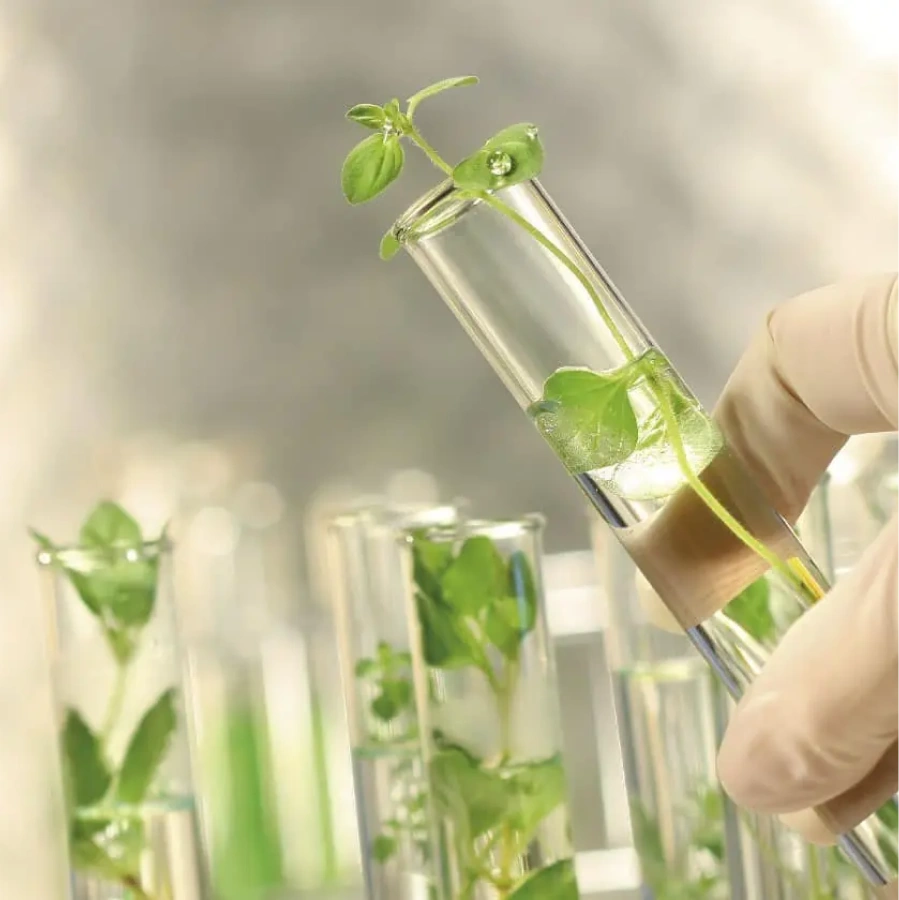
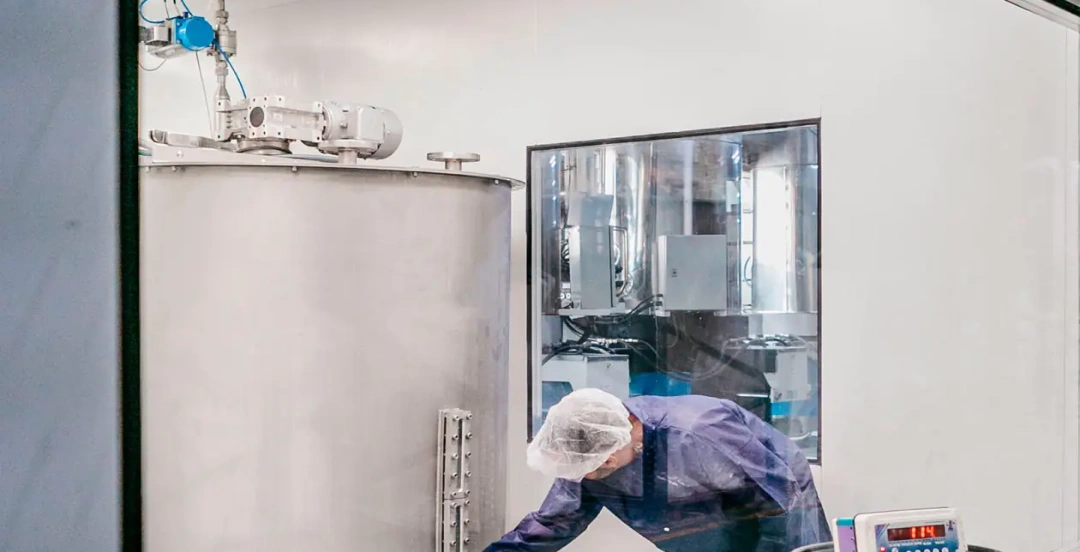
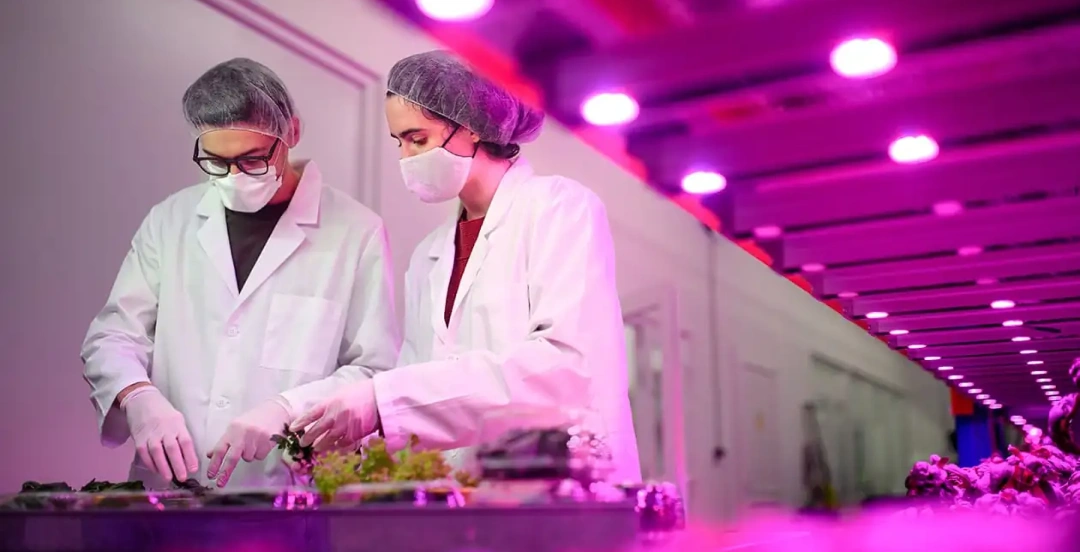
Design of biomass production systems (lemna, microalgae, SCP, etc.) for generating new protein sources
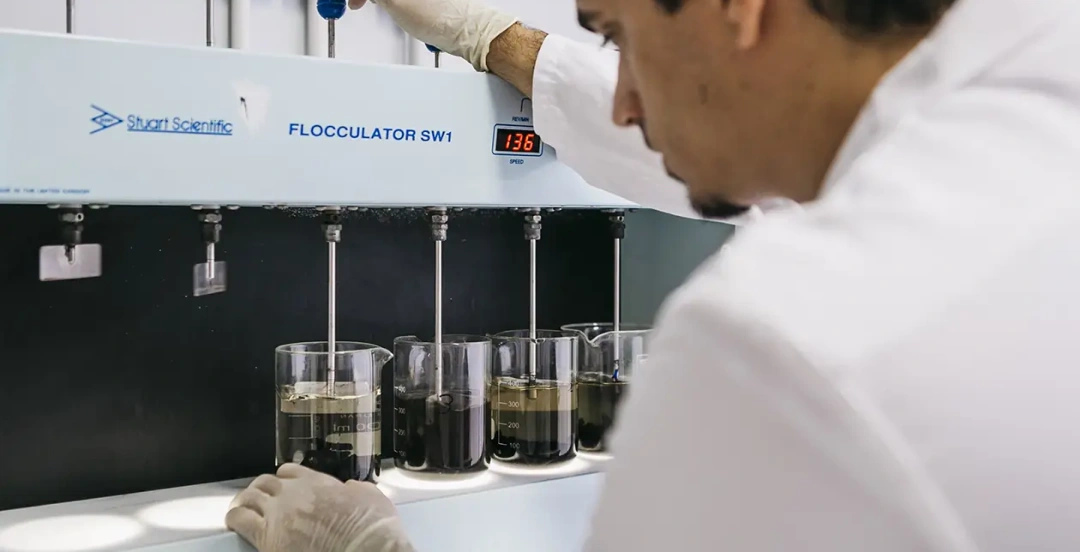
Design and application of technological processes (physical, chemical and biotechnological) for the development of new protein ingredients with improved nutritional and/or technological properties
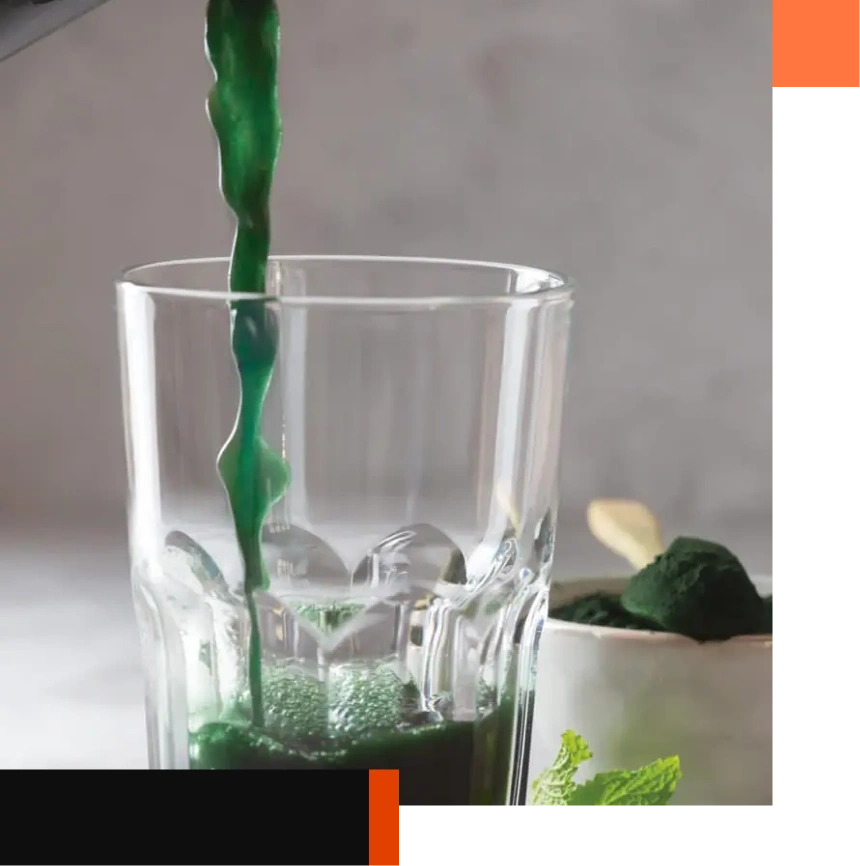
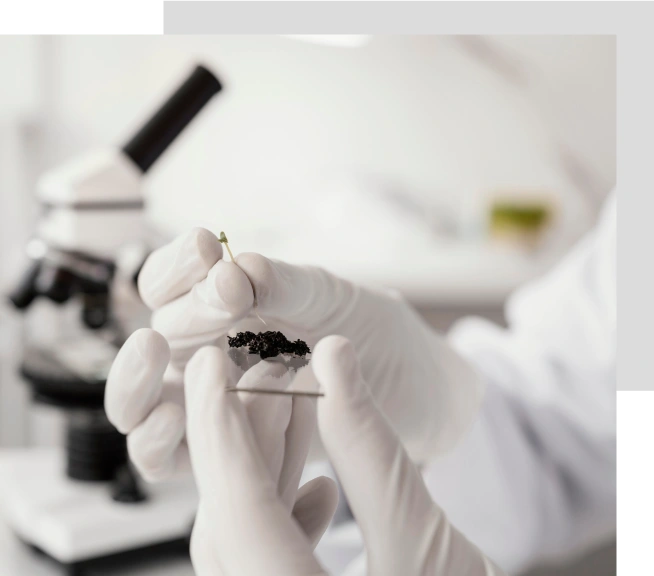
We identify new sources with potential interest for obtaining and improving sustainable protein ingredients, such as lemna, micro and macroalgae, insects or Single Cell Protein (SCP), including mycoprotein derived from fungal mycelium or yeast protein. Throughout the entire process, we consider legal feasibility as well as the environmental sustainability assessment of the production and/or extraction of protein ingredients from the identified sources.
Thanks to recent technological advances, it is now possible to obtain new proteins (microalgae, SCP, lemna, insects, etc.) with different nutritional profiles through the selection of new organisms and/or by modifying their cultivation or production conditions. One example is the application of biotechnology to obtain improved proteins through the selection of different source microorganisms.
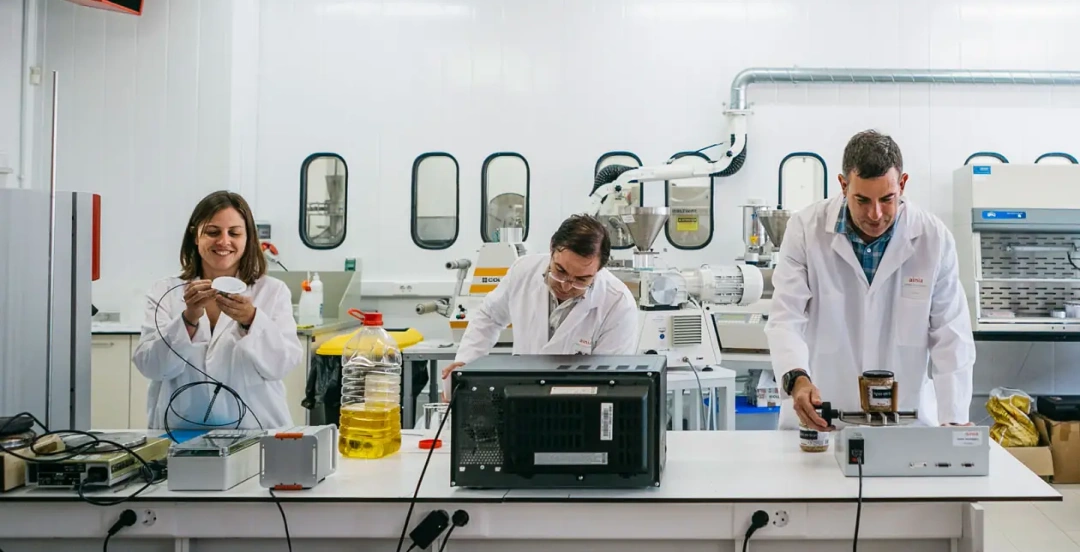
Based on the different protein sources and with the aim of optimising the production of new protein ingredients, we determine which processes are required both for their fractionation and functionalisation, helping to improve the techno-functional and nutritional properties of the new protein ingredients. Computational tools can also be applied to monitor and optimise these processes while assessing their feasibility.
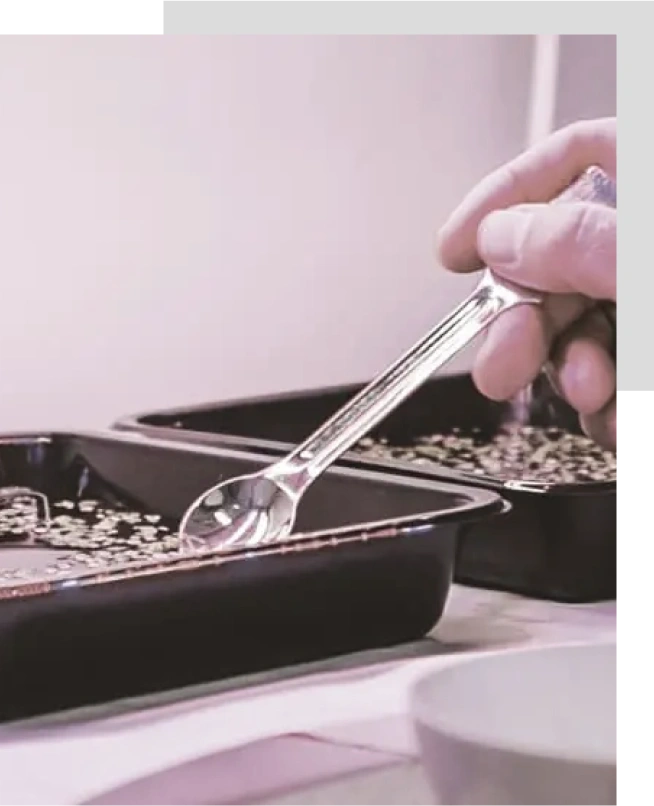
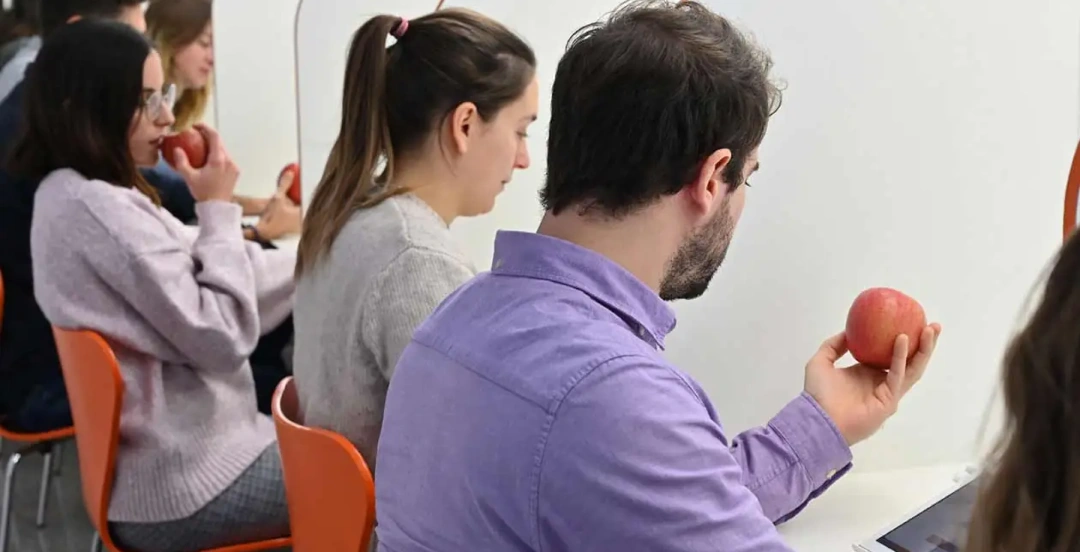
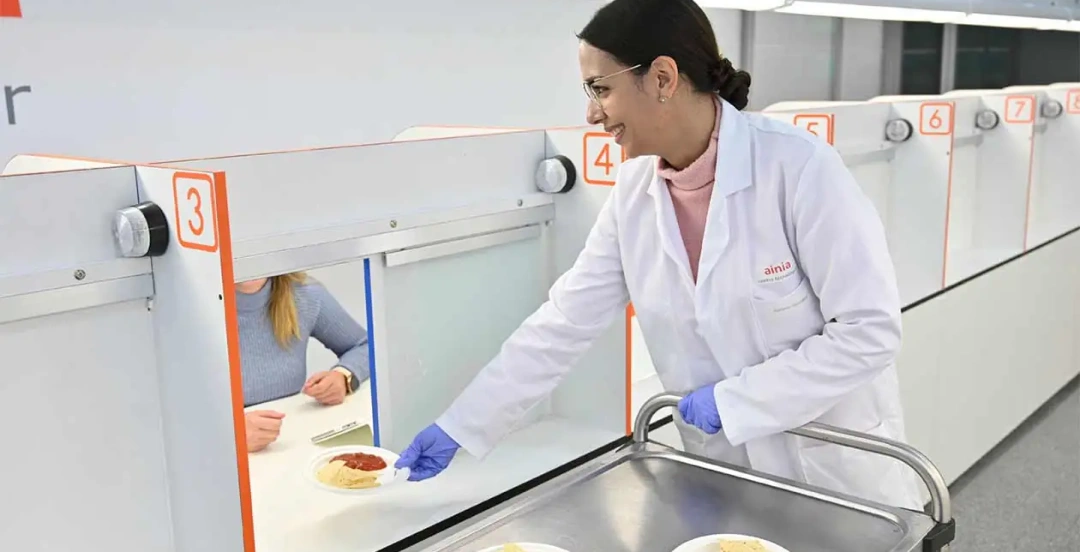
Using alternative proteins, we customise processes for generating new products by selecting the most suitable technologies to achieve the desired sensory properties and textures, while also considering interactions with the rest of the formulation ingredients.
New technologies in alternative proteins
3D printers
Our extensive expertise in cell culture and regenerative medicine and tissue engineering techniques… Cultivated meat is produced using the same cell types as conventional meat, arranged in the same or a similar structure to animal tissues, thereby replicating the sensory and nutritional profiles of conventional meat.
Would you like to know more?
Leave us your details and we will contact you to answer your questions or continue the conversation.