¿Aún no eres una empresa asociada? Asóciate aquí
AINIA / Mycotoxins and natural toxins
Analysis of mycotoxins and other natural toxins (tropane and pyrrolizidine alkaloids).
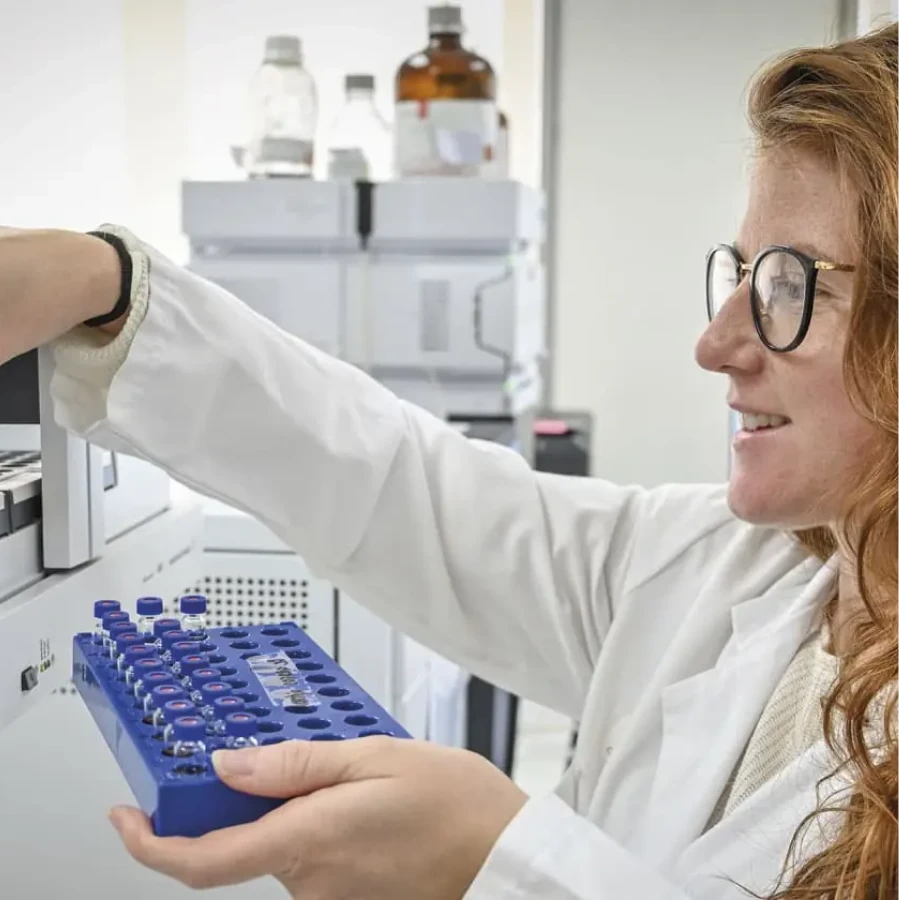
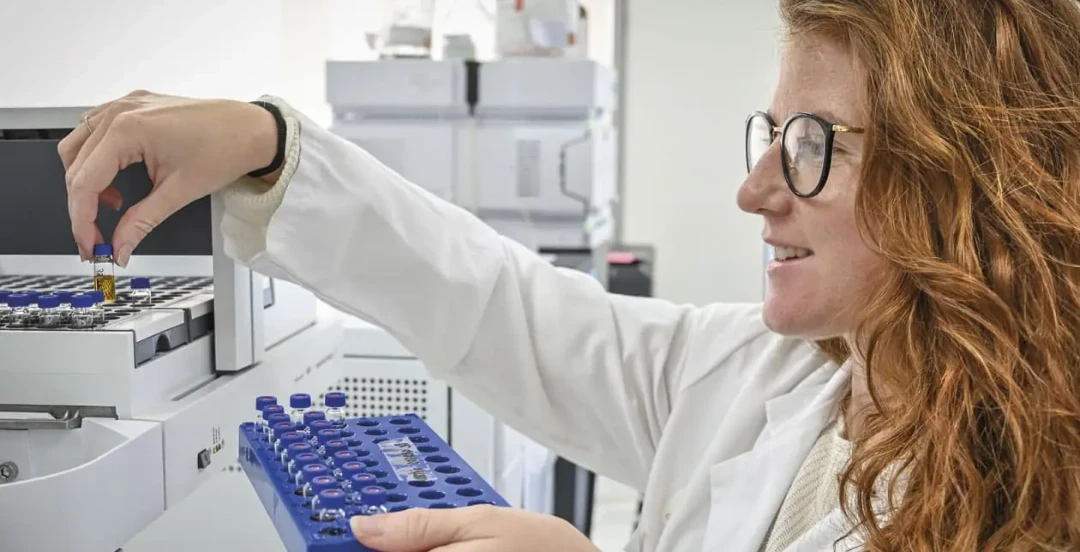
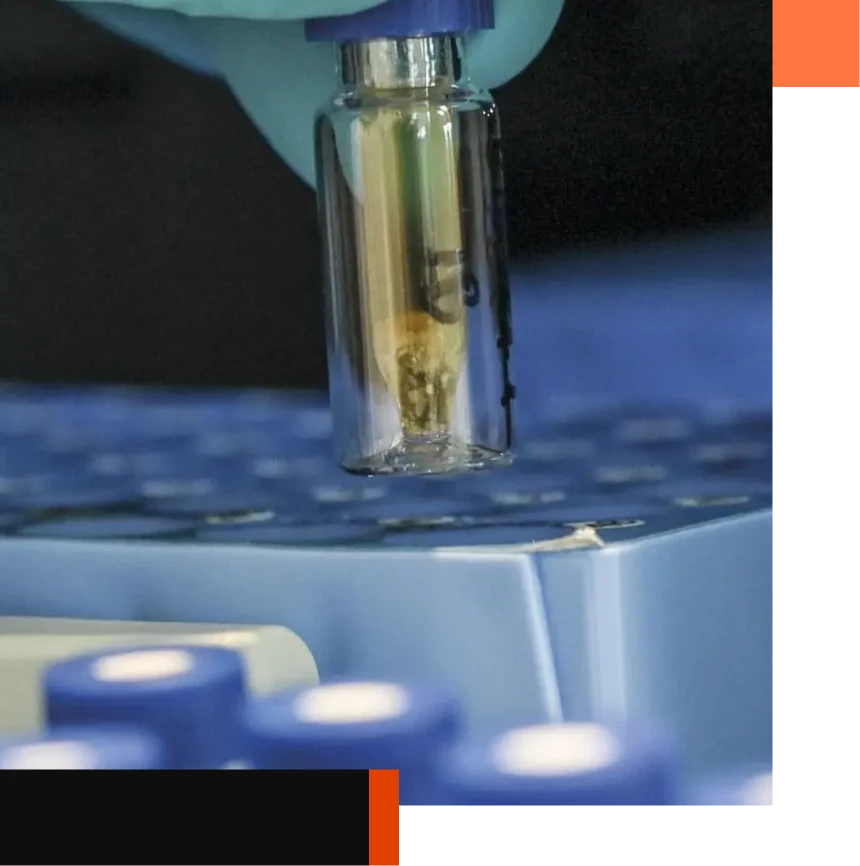
Identification and control of natural toxins in food to minimise health risks and comply with European regulations
Natural toxins are toxic compounds naturally produced by living organisms. Although they do not affect the organism that generates them, they can be harmful to the health of animals and humans when ingested through food. Their chemical diversity means they vary in biological function and degree of toxicity, making their monitoring an essential aspect of food safety. Within our service portfolio, key areas include Mycotoxins, Plant toxins (tropane and pyrrolizidine alkaloids) and other toxins (cereulide toxin). Mycotoxins are non-anthropogenic chemical compounds produced during the secondary metabolism of fungi from genera such as Aspergillus, Fusarium and Penicillium. They are found in unprocessed foods such as cereals, oilseeds, fruits, vegetables, nuts, dried fruits, coffee, cocoa and spices. In processed foods, since they are not destroyed during processing, they may be present in bread, pasta, breakfast cereals, wine, coffee, cocoa, beer, juices, dairy products, meat products and infant food.
Check accreditation at: ENAC accreditations – AINIA laboratories
Our solutions include:
Leave us your details and we will contact you to answer your questions or continue the conversation.