Not a partner company yet? Sign up here
AINIA / Laboratories / Physico-chemical / Pesticides
Pesticide Residue Analysis
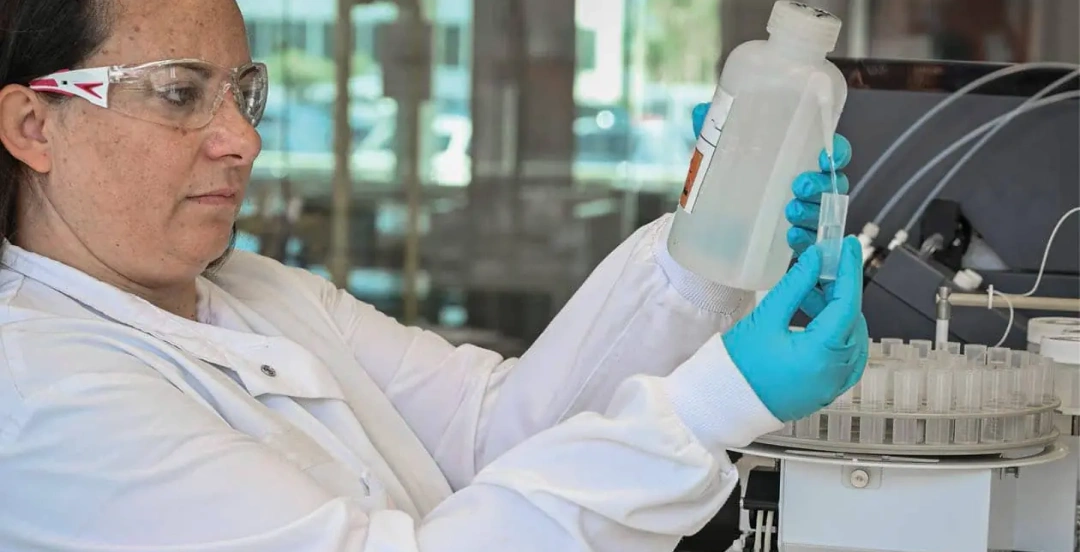
We determine pesticide concentrations in products of plant and animal origin (as well as in additives, packaging, etc.) to ensure the food safety of your products, compliance with legislation and other internal or market requirements.

Plant protection products (insecticides, fungicides, herbicides, etc.) are chemical substances used to protect crops from harmful organisms.
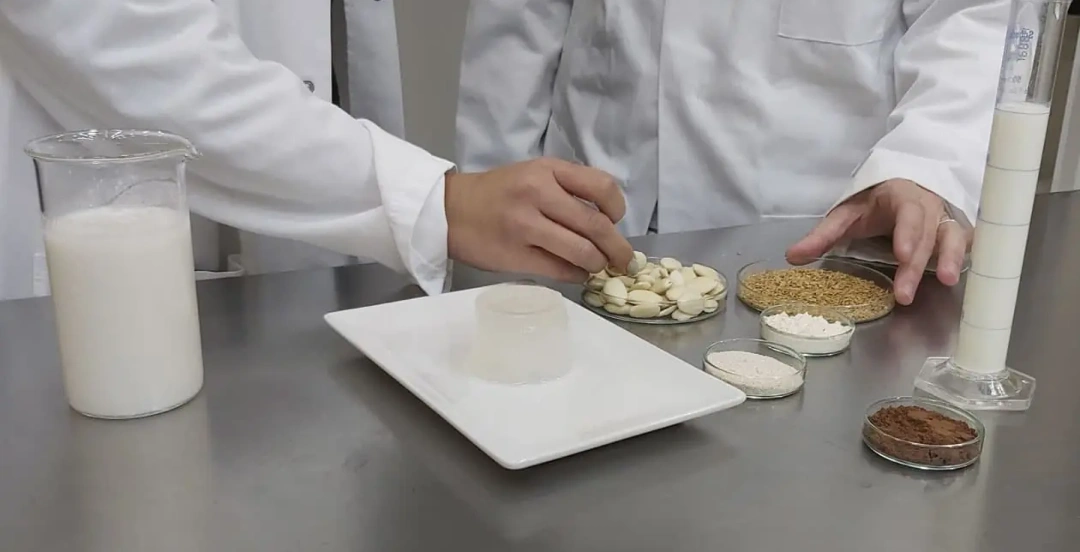
They are widely used substances whose residues may be found in a wide range of products such as:
The control of these compounds is important both from an environmental and a health perspective, as they may be harmful to consumers’ health. For this reason, and as a protective measure, the European Union has strengthened its policy on pesticide residues in food in recent years, establishing “maximum residue limits (MRLs)” in products of plant and animal origin.
Retail companies (supermarket chains), driven by consumer demand for additional food safety guarantees, have adopted acceptance and rejection criteria that are stricter than legal limits. This factor is highly relevant for companies supplying supermarket chains within the EU and in non-EU countries. In particular, because each chain has its own specific requirements that must be assessed individually depending on the client, active substance and product. AINIA has developed systems that provide this evaluation of results specifically for the supermarket chains of interest to our clients.

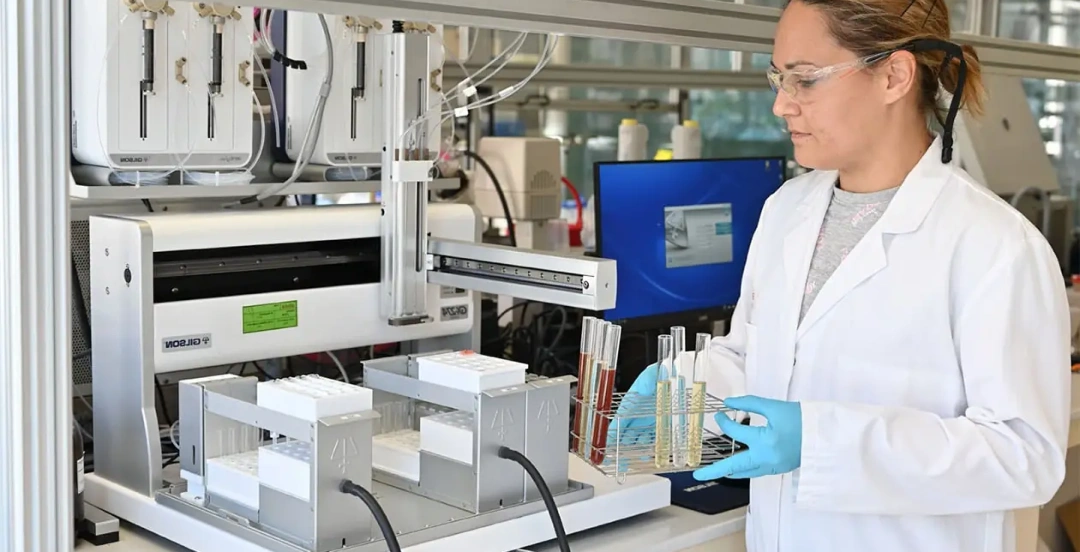
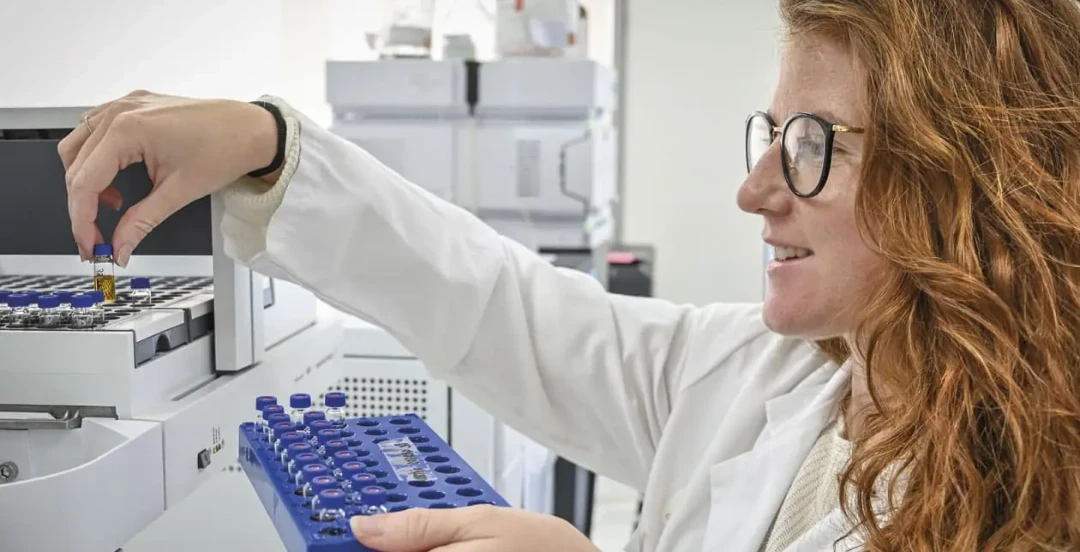
The combination of liquid and gas chromatography techniques coupled with mass spectrometry detectors (LC-MS/MS and GC-MS/MS) allows the analysis of a wide range of active substances with high sensitivity, specificity and reliability across various matrices.
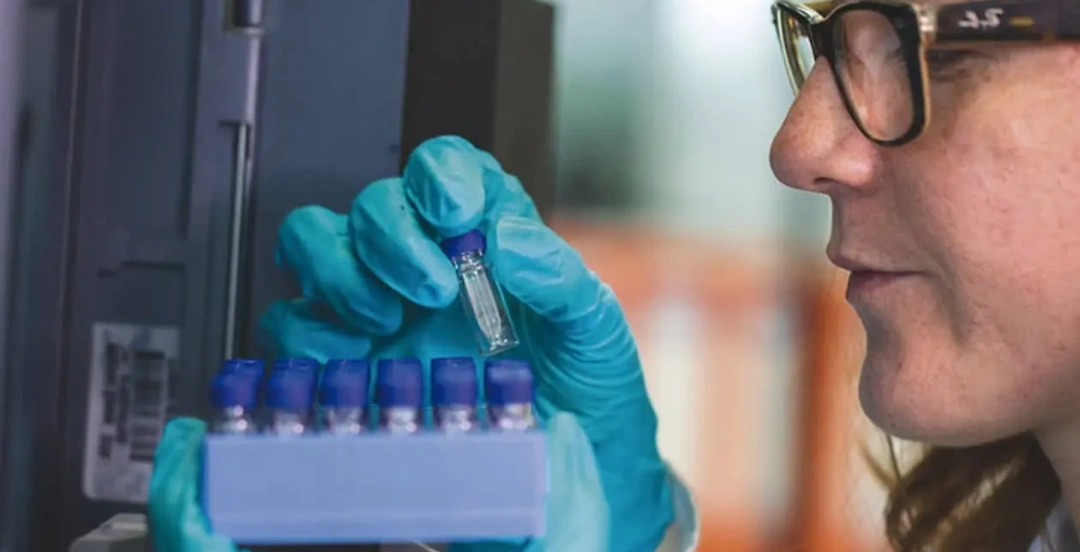
Currently, using multi-residue pesticide methods by GC-MS/MS and LC-MS/MS, we determine more than 655 active substances (with an accreditation level of 85% of the active substances included).
Additionally, we carry out the following specific analytical methods: ethylene oxide, chlorate, perchlorate, ethephon, glyphosate, glufosinate and AMPA, maleic hydrazide, fosetyl-Al and phosphonic acid, acidic pesticides (2,4-D, bromoxynil, dichlorprop, fluazifop-P, haloxyfop, ioxynil, MCPA, MCPB, triclopyr), bromides, chlormequat, diquat, mepiquat and paraquat, dithiocarbamates, across a wide range of matrices.
Leave us your details and we will contact you to answer your questions or continue the conversation.