¿Aún no eres una empresa asociada? Asóciate aquí
AINIA / Laboratories / Physico-chemicalFísico-químico / Metales
Determination of metallic elements
We monitor the presence of these substances across a wide range of matrices.
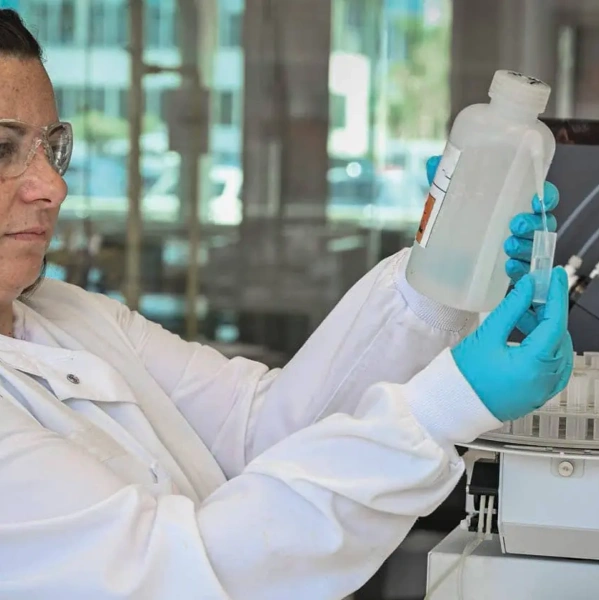
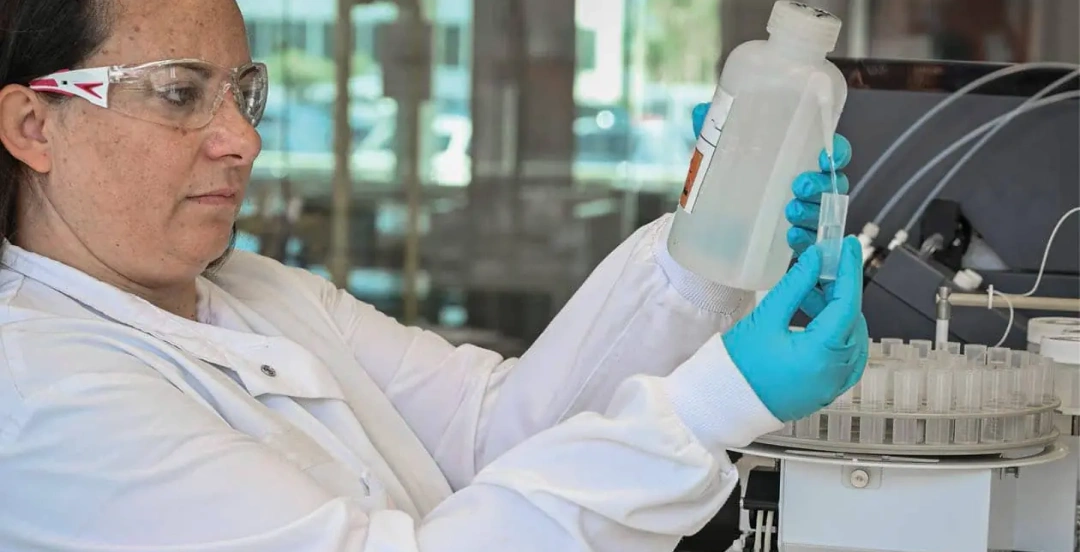
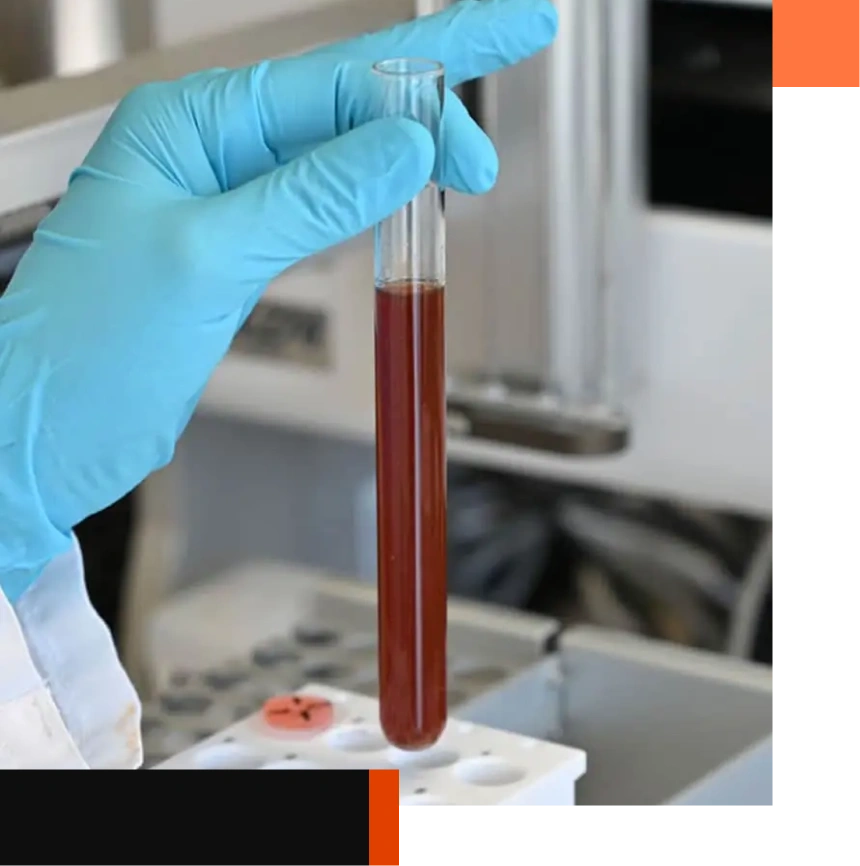
Ensure food safety and regulatory compliance of your products by understanding their elemental composition.
Metals such as arsenic, cadmium, lead and mercury are naturally occurring chemical compounds. They may appear as contaminants in food due to their presence in the environment, as a result of human activities such as agriculture, industry or vehicle emissions, or due to contamination during processing and storage. People may be exposed to these metals through the consumption of contaminated water or food. Their accumulation in the body can cause harmful effects over time.
Food business operators must ensure that the presence of metals does not pose a risk to consumer health, implementing preventive measures to keep levels as low as reasonably achievable by following recommended good practices, as well as control measures to ensure that legally established maximum limits are not exceeded in order to protect public health.
Metals (trace elements such as sodium, calcium, etc.) may also be naturally present in food as intrinsic components, as well as in additives, dietary products, cosmetics, waste (sludge, wastewater, etc.), biogas or food contact materials (FCM).
Metal residue testing for organic production control (copper, lead, cadmium).
Check accreditation at: ENAC accreditations – AINIA laboratories
Our solutions include:
We analyse:
In various matrices such as: food, alcoholic beverages, additives, cosmetics, dietary products, sludge, wastewater, biogas, packaging materials (FCM), biological samples…
Leave us your details and we will contact you to answer your questions or continue the conversation.