¿Aún no eres una empresa asociada? Asóciate aquí
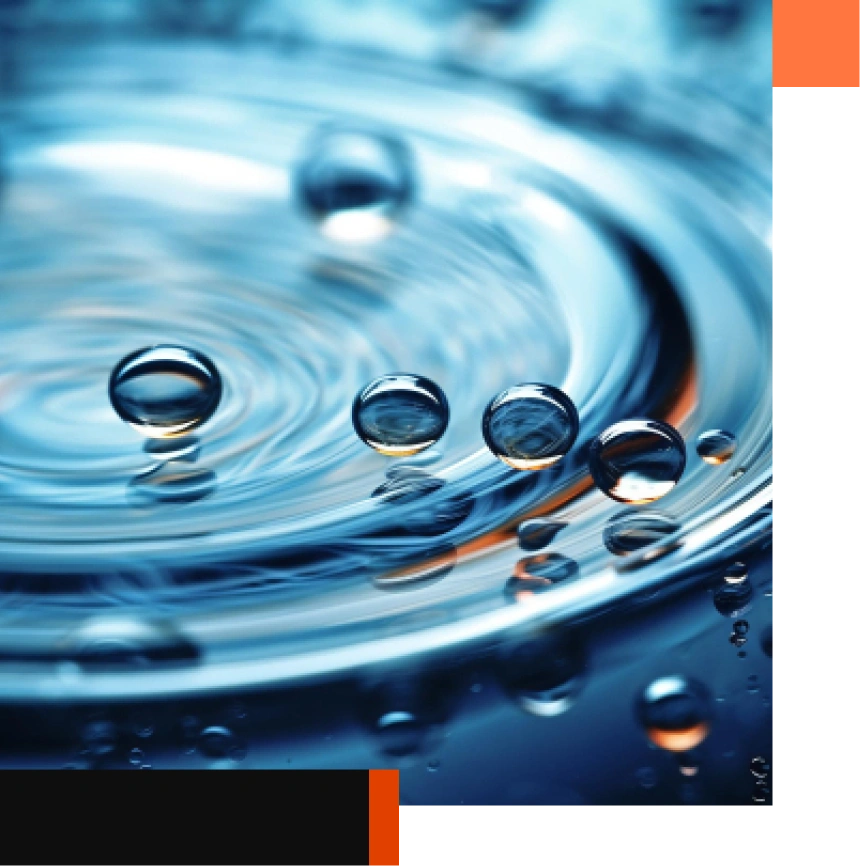
Tangential filtration (or cross-flow filtration) with membranes is a separation technique in which the liquid flows parallel to the membrane surface, rather than perpendicular as in conventional filtration. This reduces solids build-up and enables continuous operation.
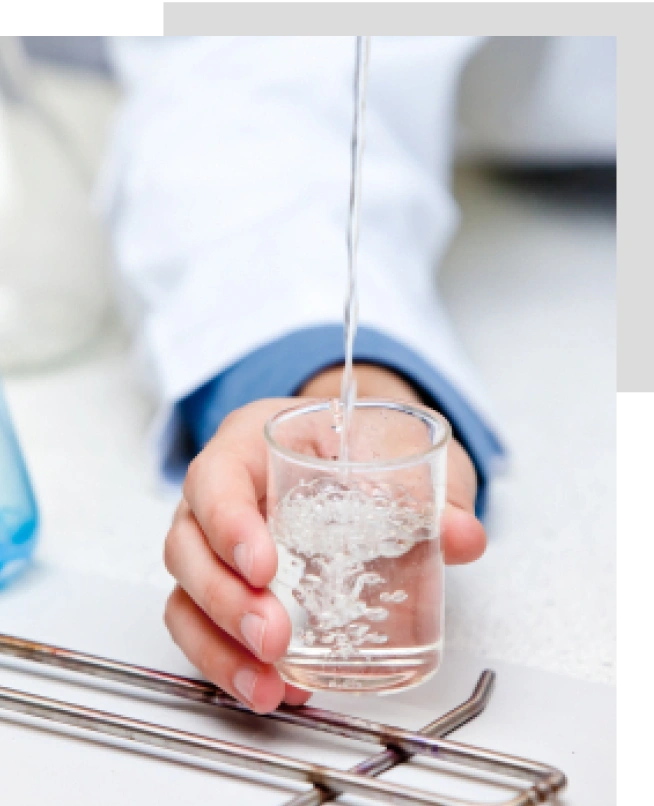
Tangential membrane filtration addresses the need to separate, concentrate, or purify fluids in a continuous and efficient way, reducing fouling and operational costs. This technology enables the treatment of complex liquids in the agri-food, biotechnology, chemical and water treatment sectors, delivering more sustainable and scalable processes.
Clarification processes for industrial streams such as juices, milk or brines by selectively removing suspended solids and colloids.
Separation and concentration of compounds such as proteins, cells or high-value biomolecules.
Recovery of functional fractions from whey for use in formulations or products.
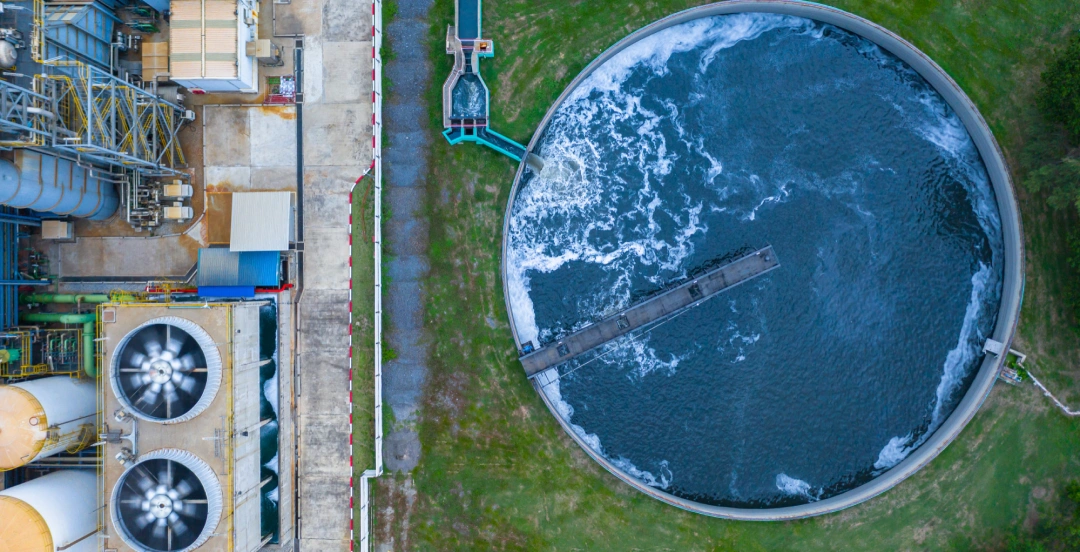
Recovery of process water and/or wastewater streams through multiple high-efficiency membrane separation stages enables the production of water of suitable quality and supports its circular use within the system.



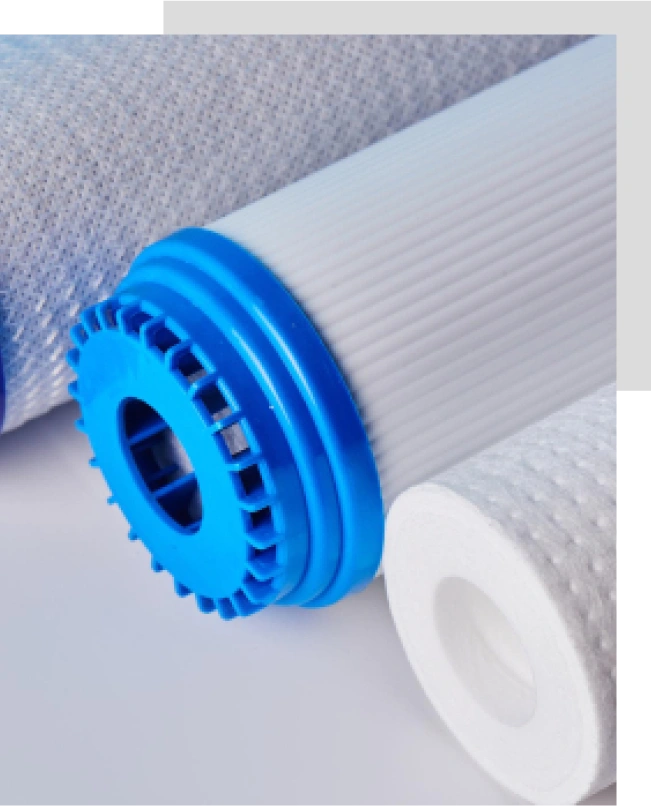
If the membrane is intended for use in food-contact processes, it must comply with food contact materials (FCM) legislation, which requires:
European
European
Focused on the development of bioprocesses across different platforms, using membrane processes for Downstream Processing (DSP) in a microbial platform, enabling the purification of caproic acid, which is later used as an ingredient in animal feed formulation.
Based on obtaining oleosomes as a functional ingredient, the process includes a membrane filtration stage that concentrates oleosomes present in the liquid fraction resulting from extraction, improving ingredient purity and yield.
Based on obtaining plant proteins for the development of new functional ingredients, membranes have been used to study the concentration of plant proteins from streams generated in aquatic cultures.
Through a set of membrane treatments, it was possible to perform DSP in a biorefinery process to obtain high-purity succinic acid.
While safeguarding the confidentiality of the private companies we have worked with, success cases include studies on the valorisation of residual streams and the recovery of high-value compounds (polyphenols, plant proteins, nutrients, sugars, amino acids, betalains, among others) in sectors such as olive oil, dairy, meat and plant-based industries. Membrane technology has also been applied to the treatment of industrial effluents, both as pre-treatment steps and as polishing stages at the end of the process.
Leave us your details and we will contact you to answer your questions or continue the conversation.