Objective
The general objective of the project focuses on exploring cellular agriculture from different technical perspectives to generate the holistic knowledge required for the development of in vitro meat, with the aim of positioning companies in the Valencian Community as benchmarks in the field of cultivated meat production as a sustainable alternative to traditional meat.
Activities
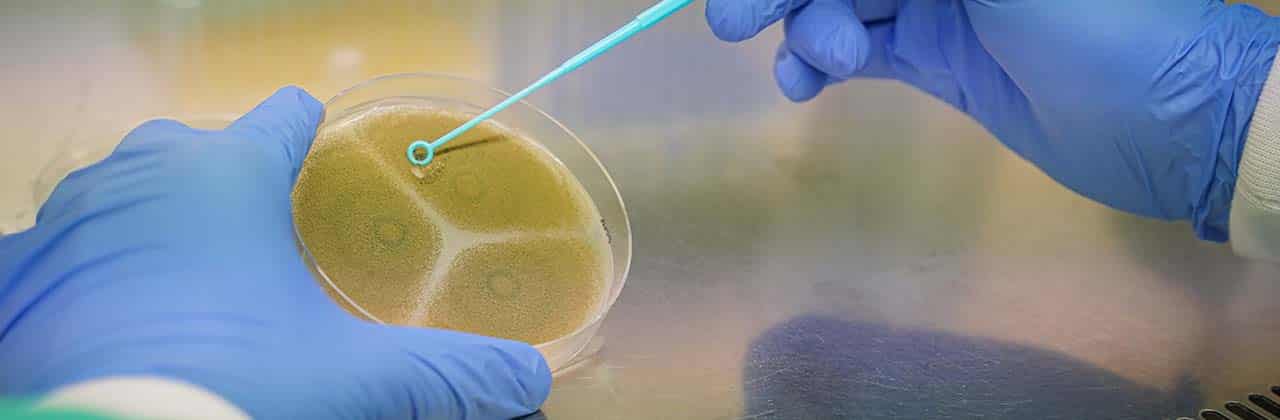
- Obtaining and maintaining muscle cells in vitro
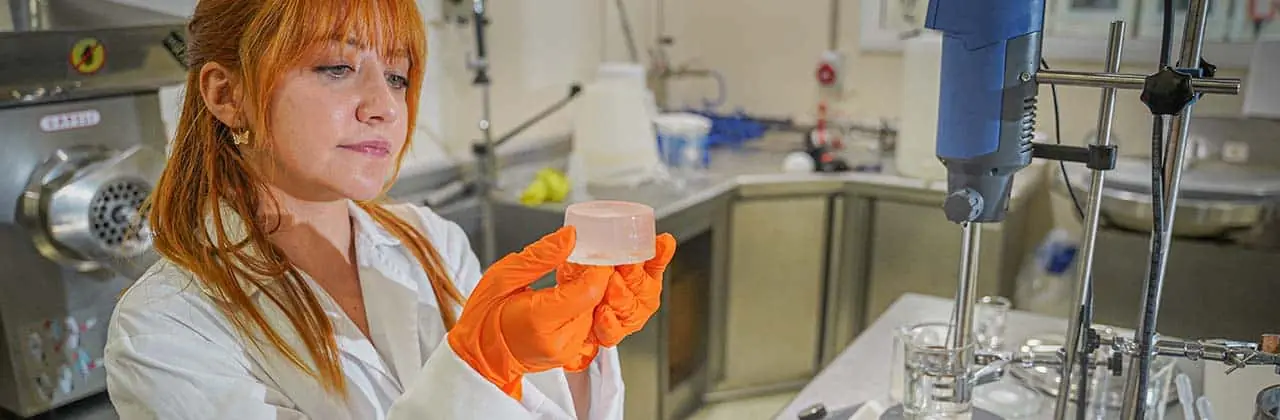
- Development of 3D scaffolds to mimic the structure of muscle tissue
- Development of recombinant proteins as growth enhancers for in vitro meat cell constructs.
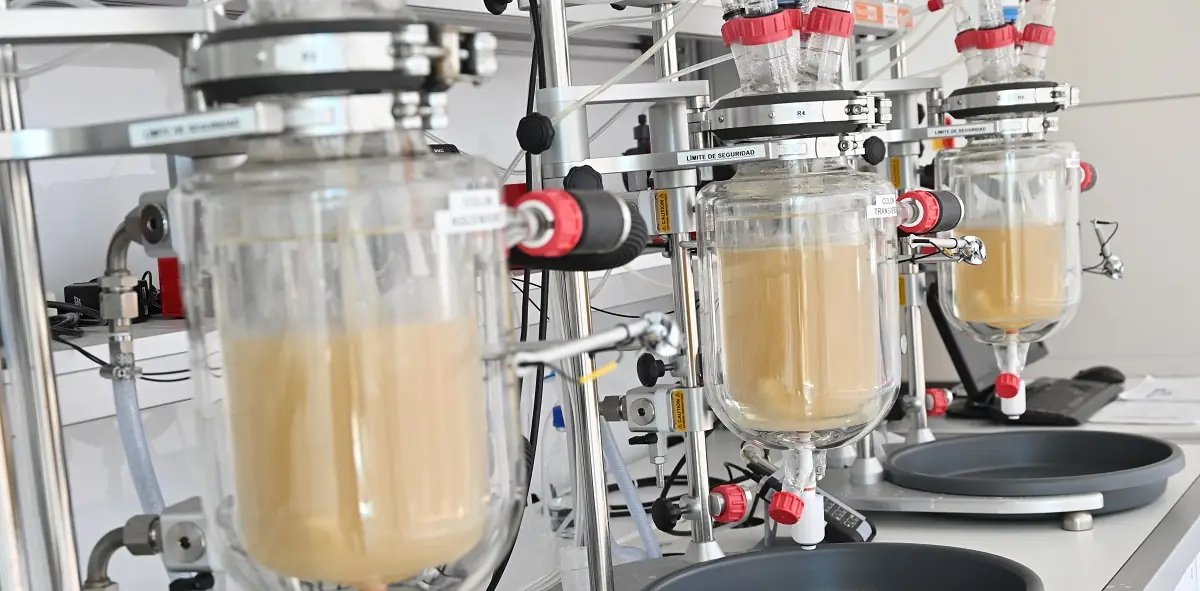
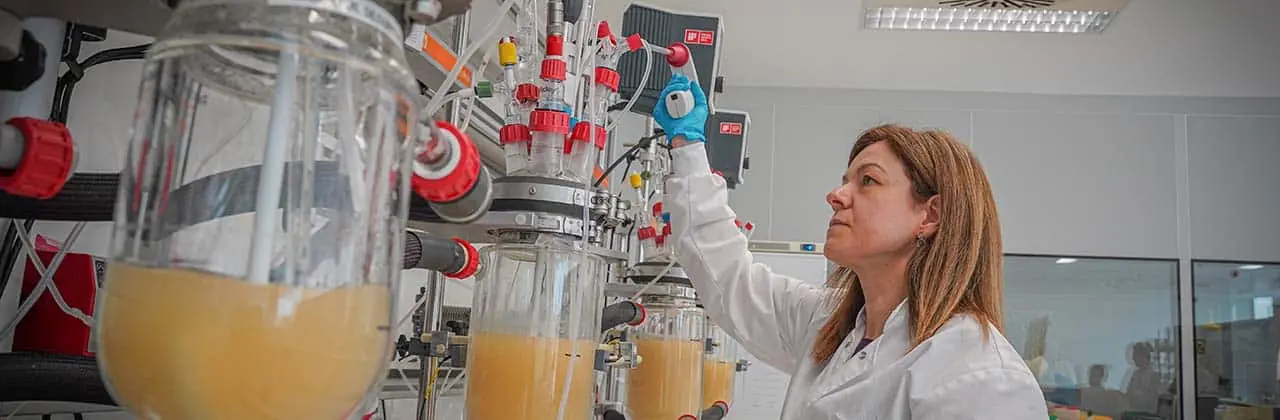
- Development of bioprocesses for obtaining in vitro meat in a bioreactor.
- Study of legal trends in cultivated meat.
- Dissemination of results and transfer.
Results
- Obtaining and maintaining the target cell type
Protocols have been established and optimised for obtaining, culturing and maintaining bovine muscle and adipogenic cells. As a result, characterised cell cultures are available, with improvements in their proliferation and stability, and progress has been made in the coculture of both cell types, laying the foundations for generating more complex cultivated meat tissues that are more representative of the final product. - Development of 3D scaffolds to mimic the structure of muscle tissue
Different 3D scaffold solutions have been developed and validated for the support and organisation of cell cultures. Specifically, biocompatible structures that are stable over time have been obtained through 3D bioprinting, and commercial microcarriers have also been evaluated, identifying those most suitable for cell growth. These results make it possible to have different support technologies depending on the format and requirements of the final product. - Development of recombinant proteins as growth enhancers
A production process has been designed for obtaining recombinant proteins, particularly growth factors, intended for use as ingredients in the cell culture medium. After evaluating different platforms, a system based on Escherichia coli has been established, capable of producing functional proteins with disulphide bridges, providing a viable alternative to reduce dependence on high-cost ingredients. - Development of bioprocesses for obtaining in vitro meat in a bioreactor
The critical parameters for the culture and scaling of bovine cell biomass in a bioreactor have been defined. Stirred-tank and WAVE-type systems have been validated, adjusting conditions such as inoculum percentage and agitation to primary cell lines. As a result, a cell bank has been generated to ensure process reproducibility and its future scale-up. - Study of legal trends in cultivated meat
Continuous monitoring of the regulatory framework applicable to cultivated meat has been carried out, analysing its regulatory fit as a novel food and the legal implications arising from possible genetic modifications. This analysis provides an updated and strategic vision to guide technological development and anticipate future regulatory needs.
2023 IVACE-FEDER-SMARTFARM Presentation
Dissemination/Transfer
Press releases
- AINIA will develop 13 new R&D projects funded by IVACE
- Efficient and sustainable production of in vitro cultivated meat
- AINIA highlights the importance of consumers in the European Green Capital
- AINIA makes progress in the efficient and sustainable production of cultivated meat
Dissemination articles
- In vitro cultivated meat: a sustainable future in the food industry
- International cultivated meat congress, latest advances in the sector
- Menu 2040: Will we include cultivated meat in our diet?
- Sustainable innovation: advances in cultivated meat production
Internal communication
- We have submitted 13 proposals to the IVACE-FEDER 2023 Aid call and one to the DGI
- 5 of the 13 IVACE FEDER projects we are working on this year have just been completed
Video
Photos