Objective
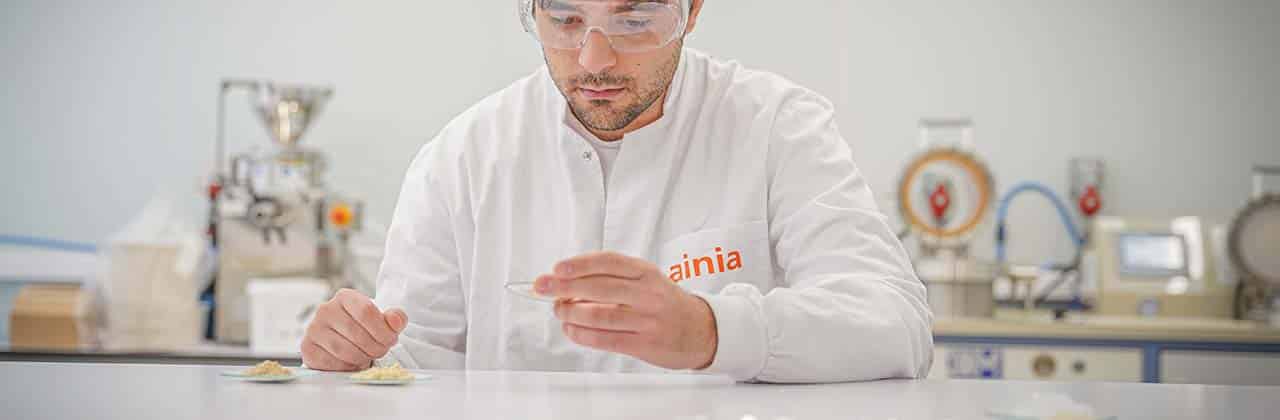
Develop strategies for obtaining protein ingredients through dry fractionation systems, as well as obtaining other ingredients or fractions of interest, such as starches, fibres, etc., and research the application of techniques to improve the functionalisation of these ingredients.
Activities
- Documentary research on air classification technology and alternatives for ingredient functionalisation.
- Definition of experimental working methodologies and preparation of materials.
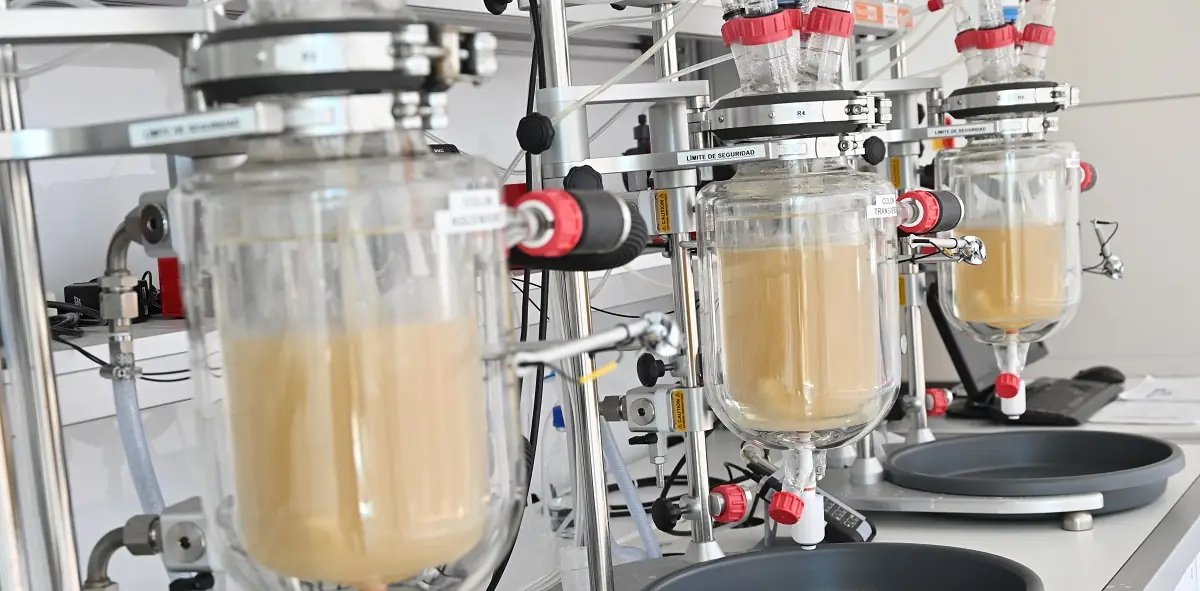
- Experimental study to obtain new ingredients through dry fractionation and/or alternatives for ingredient functionalisation.
- Study of the legal framework applicable to raw materials and processes.
- Dissemination of results.
- Transfer and promotion of results.
Results
- Dry fractionation technology has proven to be an effective and sustainable technique for separating, through milling and air classification, fine fractions with high protein content and coarse fractions rich in fibres and starches.
- The new ingredients have been produced from local raw materials and agri-food by-products, promoting greater sustainability in production processes.
- The application of various physical, chemical and biological techniques for the functionalisation of the ingredients obtained has made it possible to significantly improve their functional properties, such as foaming, emulsifying or gelling capacities.
- The new ingredients obtained through dry fractionation and subsequent functionalisation have enabled the development of protein smoothies and muffins enriched with carob fibre.
Dissemination/Transfer
Dissemination articles
AIRPROT: Innovation in obtaining sustainable and functional protein ingredients
Press releases
New sustainable proteins from insects, plants and by-products. AIRPROT project
AINIA develops new sustainable ingredients through air classification
Video
AIRPROT: Research for obtaining protein ingredients