AINIA / Soluciones y servicios / Sustainability / Food loss and food waste
- Sustainability
Food waste
What is food waste
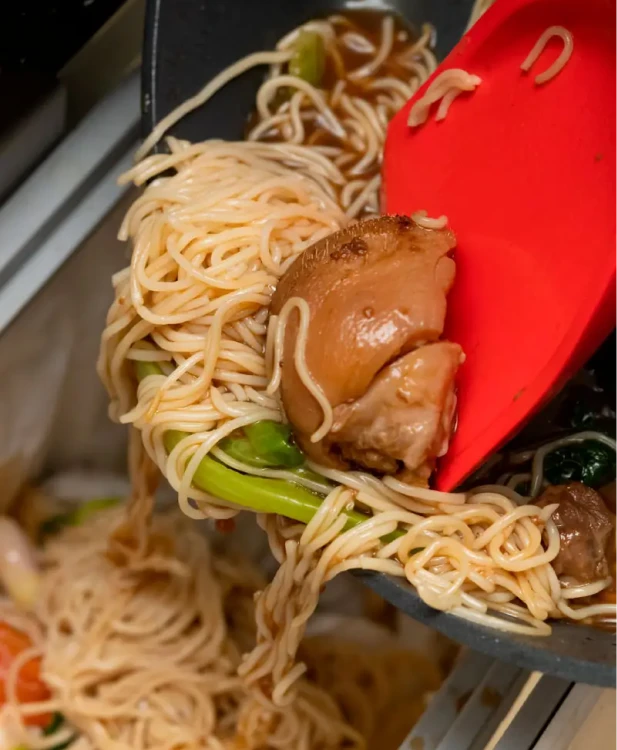
Food loss
Set of food products, discards or by-products which, for any reason, remain on the agricultural or livestock holding itself, either reincorporated into the soil or used to make compost in situ, and whose final destination would have been human consumption.
Food waste
Set of food products discarded from the food chain, from the agricultural or livestock holding itself through to the consumer, which remain edible and suitable for human consumption and which, in the absence of possible alternative uses, end up being eliminated as waste or used for low added-value purposes.

Food Waste Law What does it propose?
- Mandatory prevention plans for ALL companies in the FOOD CHAIN.
- Self-assessment: identification of points where losses are generated
- Minimisation measures
- Strategies for using losses
- Hierarchy, with maximum priority given to human consumption
- Donation
- Transformation into new foods
- Animal feed
- Other areas, other industries, fertilisers…
Where and how we act at AINIA
Primary production
-Precision agriculture
-Plant protection
-Animal production
-Robotic harvesting
Food processing
-Food processing
-Reducing losses due to batch contamination
-Process improvement
-Increased shelf life
-Product and packaging design
-By-product valorisation
-Food fraud management, prevention and detection
-Emerging risk system
Distribution and consumption
-Shelf-life studies
-Business intelligence and consumer studies
-Logistics optimisation
-Smart purchasing
-Awareness raising
-Legal advice
Post-consumption
-Transformation of losses into new foods
-Transformation of losses into animal feed ingredients
-Transformation of losses into bioproducts and bioenergy
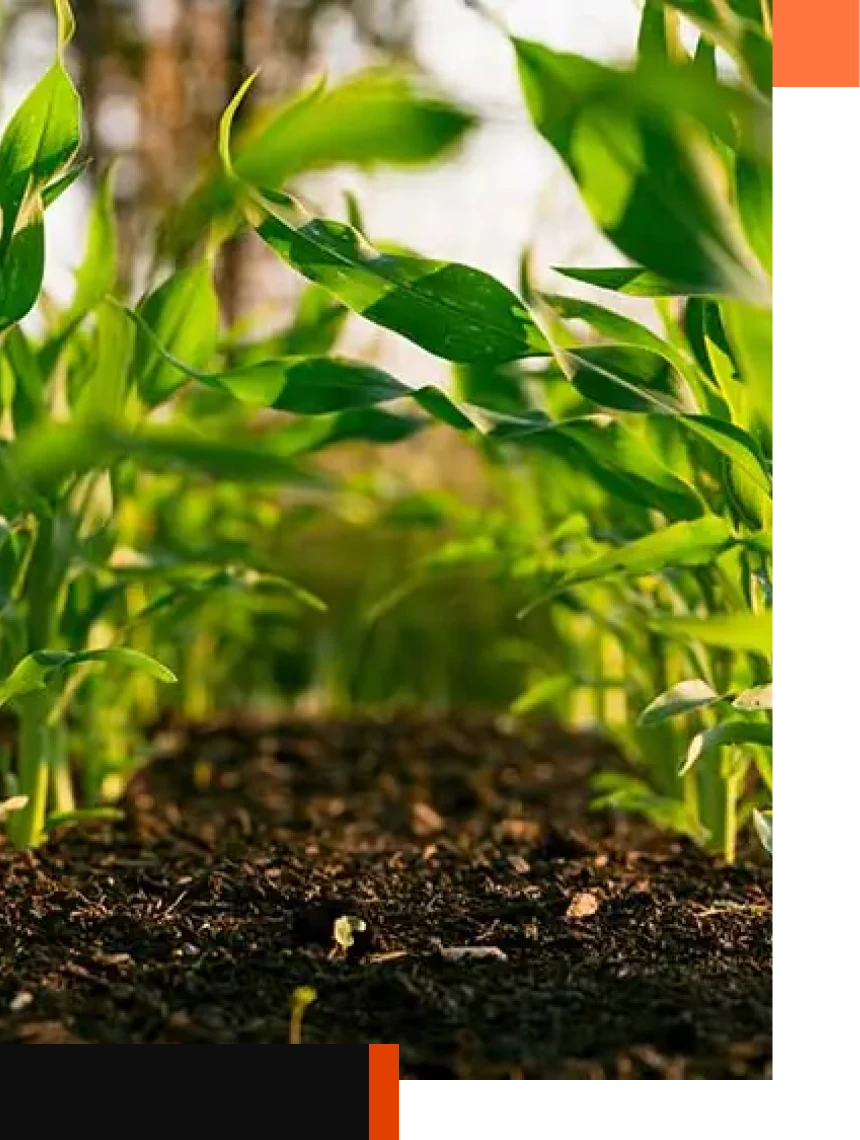
Primary production
Since the behaviour of a microorganism under certain conditions is predictable, there are mathematical models which, taking into account different determining factors, are capable of predicting it. This methodology is recognised in European regulations on microbiological criteria applicable to food products (RG 2073:2005).
Microbiological models can help optimise the conditions for obtaining a food product according to intrinsic parameters, such as pH, salt or additive concentration, or extrinsic parameters, such as storage temperature, humidity or headspace atmosphere.
By using microbiological models in the production environment, we can predict the amount of a given pathogen or toxin after a preservation process or treatment. In this way:
Precision agriculture
Early detection of diseases and pests, optimal harvesting date, efficient dosing of inputs, irrigation, fertilisers and agrochemicals
- Key technologies to achieve more sustainable agriculture.
- Drones to improve crop yield and planning.
- Robotics, sensors and artificial intelligence.
Plant protection
Bioproductos para prevención y tratamiento de plagas y enfermedades, como bioestimulantes, inductores de defensas, bioplaguicidas…)
- Control of olive tree diseases.
- Detection and treatment of olive tree diseases.
- Biofertilisers and biopesticides.
Animal production
Alternatives to antibiotics, productivity improvement through feed using probiotics and other additives.
- Initiatives to curb antimicrobial resistance in the food and clinical sectors.
- MICROBIOSAFE: Advances in the field of antimicrobials as alternatives to traditional antibiotics.
- Improvement of plant and animal health.
Robotic harvesting
Robotic fruit harvesting in the field and use of by-products.
- Intelligent collaborative robotics.
- Mobile robot to collect and give a second use to fruit fallen on the ground.
- We know how changes in process conditions influence the final microbiological quality of the product.
- We assess the microbiological risk inherent to a specific event, for example, a line stoppage.
- We contribute to more effective HACCP management.
Furthermore, by implementing different tools, we are able to perform simulations under specific conditions, providing an estimate of the risk associated with the food, process and pathogen under study.
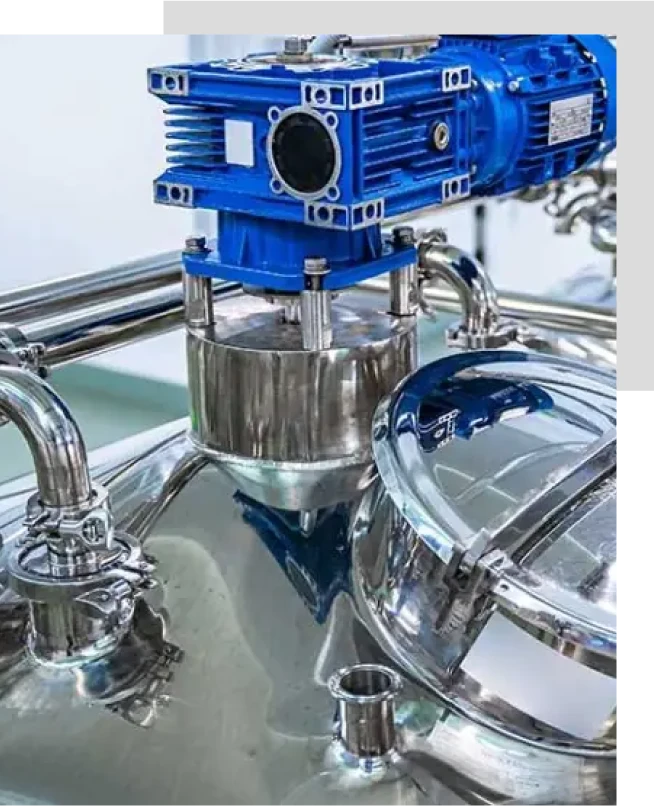
Food processing
Reducing losses due to batch contamination
Minimisation of microbiological risks, hygienic design, HACCP, self-monitoring, early warning through AI…, early detection of incidents such as production failures, foreign bodies, packaging defects, contamination, advanced vision, biosensors. Audits, diagnostics and tailor-made solutions.
- Photonic applications to improve food safety and manufacturing processes
- Drones to improve crop yield and planning
- Sensors for the detection of foreign bodies, product composition…
- Process improvement to increase efficiency and reduce losses
- Emerging risk system
Shelf-life improvement
Incorporation of natural preservatives, exploration of packaging alternatives, evaluation of preservation technologies, stability studies
Product and packaging design
Adaptation to different lifestyles, functional packaging
Exploration of alternatives for by-product valorisation
Use of losses following the hierarchy established by law: donation > transformation into new foods or ingredients > animal feed > other uses such as biofertilisers, cosmetics, pharma, packaging materials, bioenergy, etc.
Food fraud management, prevention and detection
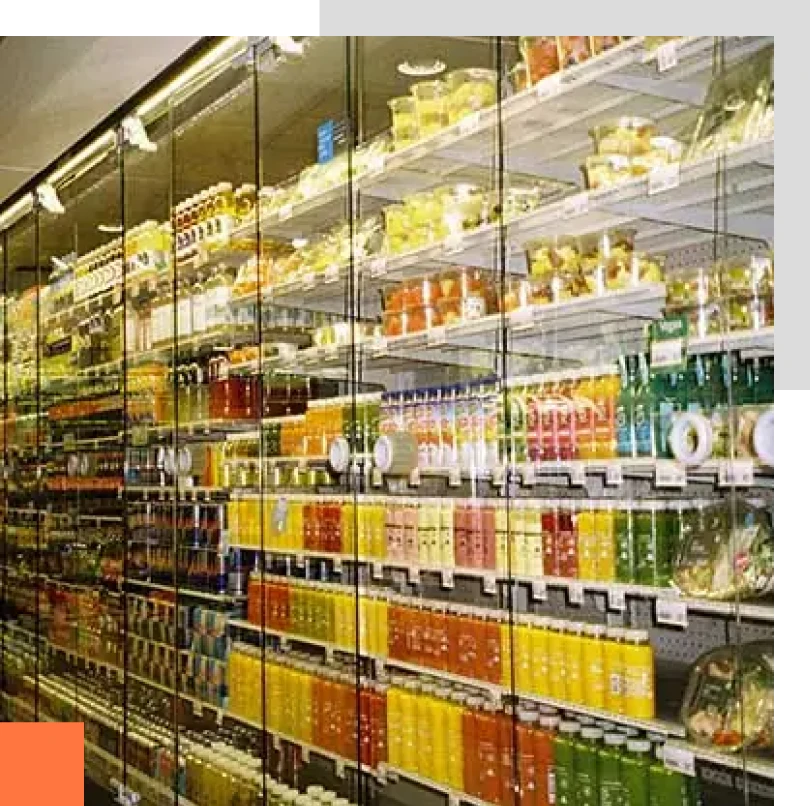
Distribution and consumption
Shelf-life studies: real-time, predictive, accelerated
- Chemical-sensory correlation studies of foods and development of predictive models
- Software solution based on mathematical models to predict and validate food shelf life
- Laboratory services. Expiry date and best before date
- Logistics optimisation: cold chain, interoperability
- Smart and personalised purchasing, pantry management
Business intelligence and consumer studies: demand estimation to optimise supply
- Survival analysis, an agile and simple method to estimate the sensory shelf life of a food product
- Acceptance of your products through hedonic behaviour
- Market research
- Awareness raising among consumers, communities and HORECA channel operators
- Legal advice for large-scale retail and the HORECA channel
Post-consumption
- Transformation of losses into new foods or ingredients, nutritional, technological, bioactive
- Transformation of losses into animal feed ingredients
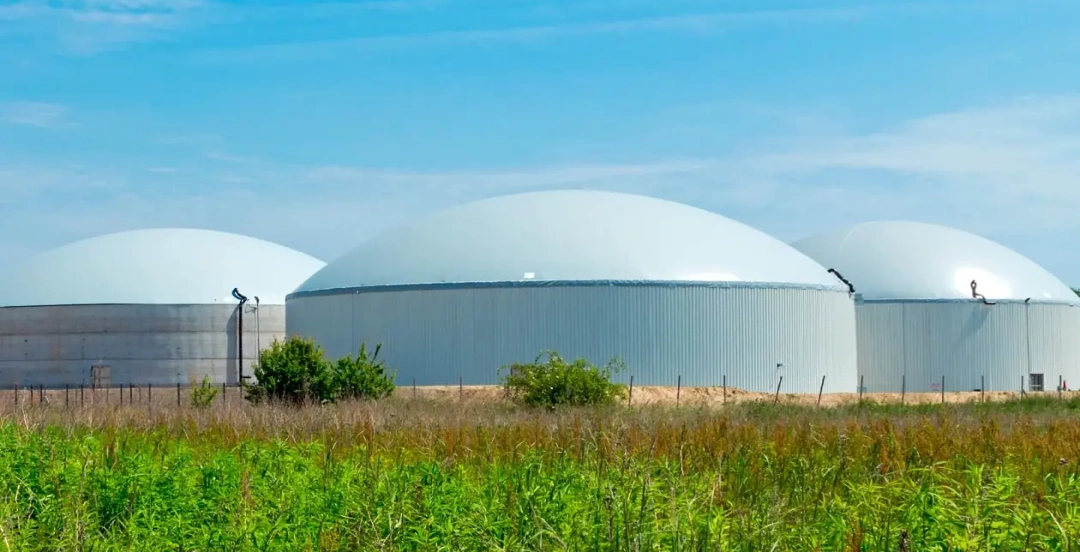
- Transformation of losses into bioproducts and bioenergy for the food chain or for other sectors, bioplastics, fertilisers, biogas…
Can we help you?
- Development of prevention plans
- Control audits
- Implementation of technological solutions for waste prevention
- Development of projects to evaluate pathways for the use of food by-products
- Studies to improve the preservation and shelf life of food products
- Support in consumer awareness campaigns, proprietary database available

AINIA committed to the SDGs
At AINIA, we work to support companies in achieving different targets linked to the SDGs.
SDG 12. Target 12.3. By 2030, halve per capita global food waste at the retail and consumer levels and reduce food losses along production and supply chains, including post-harvest losses.
Would you like to know more?
Leave us your details and we will contact you to answer your questions or continue the conversation.