The European Green Deal has the main goal of promoting the efficient use of resources through a clean and circular economy. One of its lines of work is Farm to Fork, the strategy from farm to table, whose objective is to improve the food system by making it healthier and more sustainable.
Within this framework, the focus is on reducing the use of pesticides and chemical agricultural inputs by 50% by 2030. In addition, it is planned to reduce the alteration of the fertility of agricultural soils by using 20% less fertilisers by 2030.
Achieving these objectives requires the development of natural products that provide at least the same efficacy as current chemically synthesised products. This would enable equal or higher agricultural productivity, but with a lower environmental impact and without negative consequences for people’s health.
Furthermore, demand for organic products has increased in recent years, in addition to the Commission’s objective of promoting these crops until the dedicated agricultural land accounts for 25% by 2030.
At AINIA, we add value
Design and production of bioproducts to improve plant production, such as bionutrients and biostimulants.
Design and production of bioproducts to improve plant health, such as defence inducers and biopesticides based on antagonists or phages, among others.
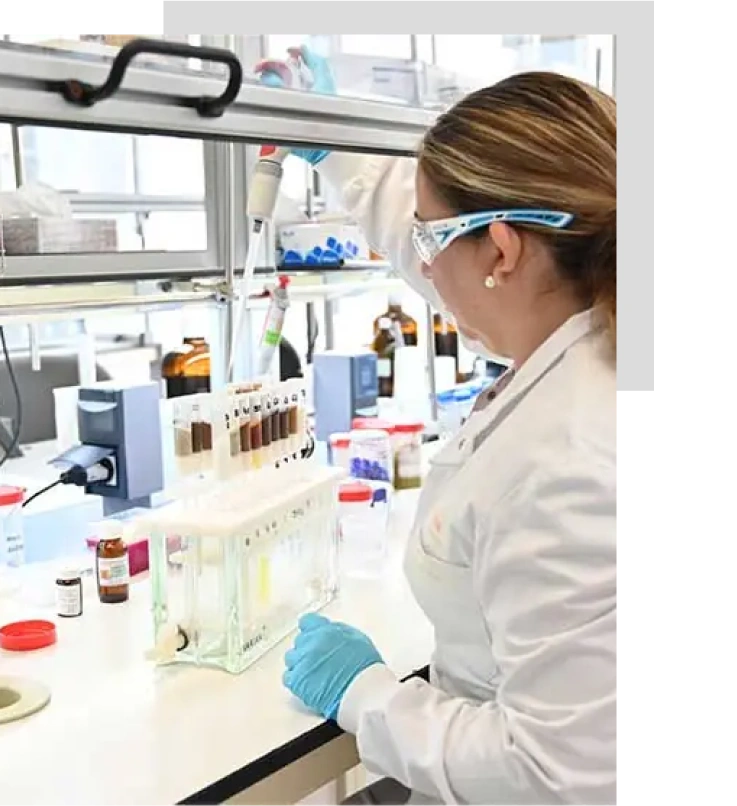
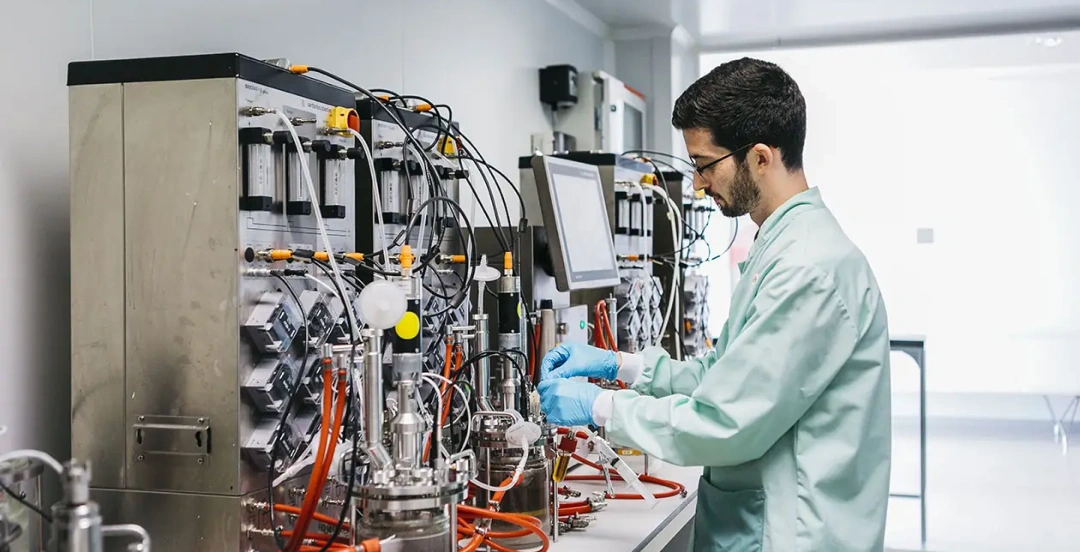
The key to developing biofertilisers and biopesticides lies in the selection of microorganisms capable of generating bioproducts to improve plant production or plant health. We cover all stages through to batch production of biofertilisers and biopesticides. To obtain microorganisms, we use natural isolates, microorganisms from our own collection or from external collections, or even modify a microorganism so that it produces a specific molecule or delivers improved performance.
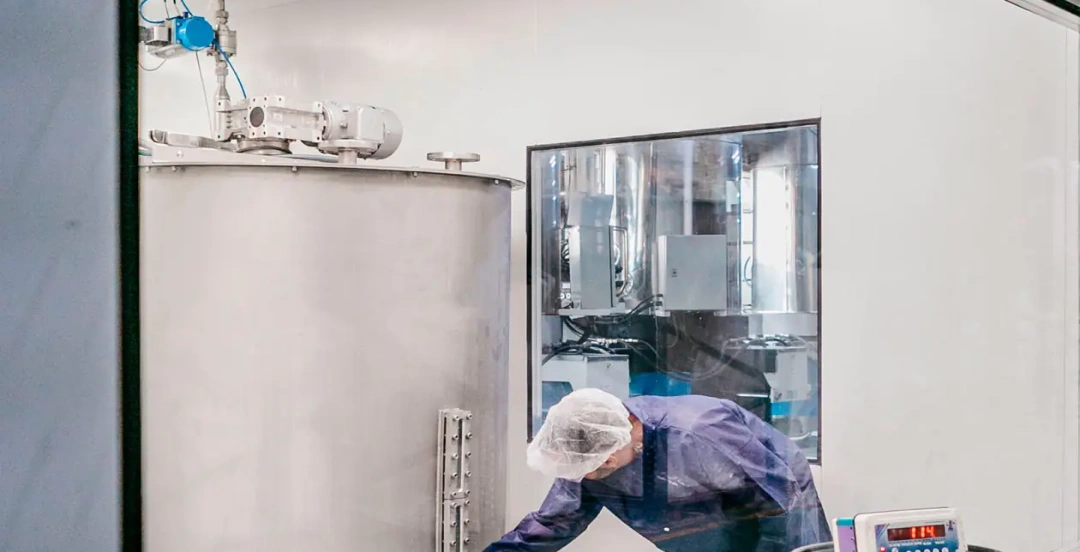
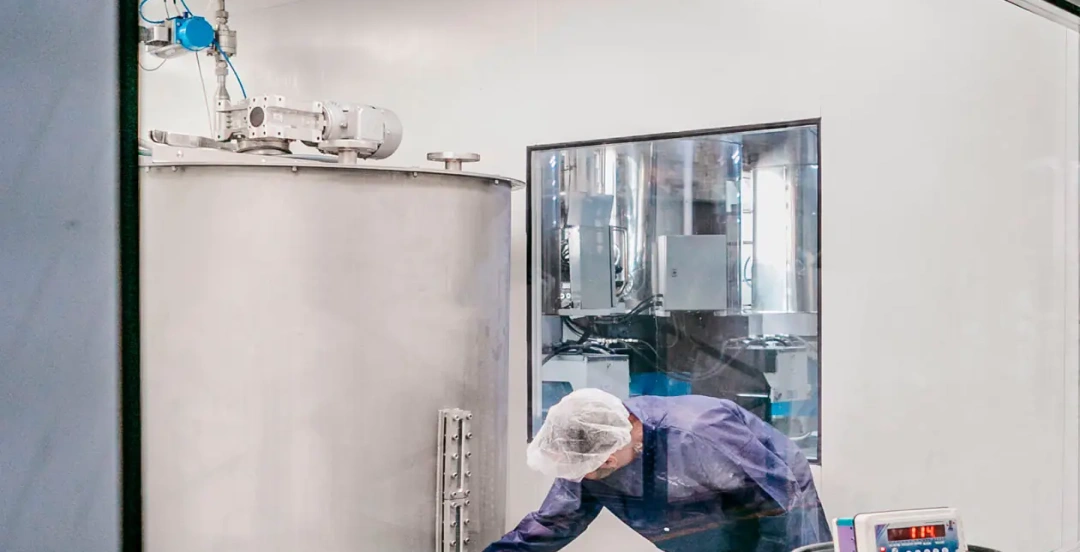
We study and select the microorganisms with the greatest effectiveness for the functionality of interest and design the bioprocess through to industrial scale-up. We take into account the economic optimisation of the process by using, whenever possible, low-cost culture media based on co-products. Our objective is to make use of by-products to achieve greater profitability in the processes. Functionality is evaluated in the field thanks to collaboration with various stakeholders. All operations are carried out in pilot plants designed to operate under GMPs and with the necessary authorisation for handling GMOs.
Would you like to know more?
Leave us your details and we will contact you to answer your questions or continue the conversation.
Ana Torrejón
Head of Microbiology and Industrial Biotechnology.
You may be interest in
Obtaining high added-value compounds from by-products or waste