Objective
The general objective of VBNC-PATHOGENS is to design, develop and validate an innovative and robust set of advanced methodologies that enable the precise and early detection of foodborne pathogens in a viable but non-culturable (VBNC) physiological state, directly from food matrices, with the aim of minimising their entry into the food chain. This project seeks not only to overcome the limitations of traditional culture methods, which are unable to identify this bacterial state, but also to establish a scientific and technological reference framework that integrates current knowledge on the mechanisms of induction and reactivation of the VBNC state, the application of molecular techniques and advanced methodologies, and the validation of the methods developed against ISO standards.
Activities
- Prospective study of the current state of detection of foodborne pathogens in the viable but non-culturable (VBNC) state.
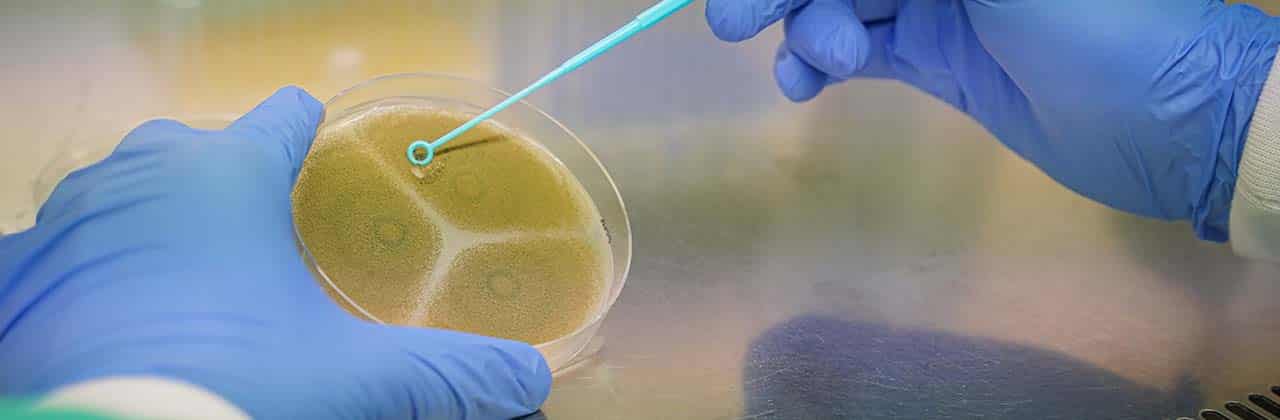
- Development of methodologies for obtaining foodborne pathogens such as Salmonella spp. and Listeria monocytogenes in the VBNC state.
- Analysis of VBNC cells using molecular biology techniques (v-qPCR, RT-qPCR).
- Determination of the VBNC state using high-throughput sequencing technologies.
- Analysis of VBNC by flow cytometry.
- Validation of the techniques developed.
- Coordination and management.
- Dissemination and communication.
- Technology transfer and promotion of results.
Dissemination/Transfer
Press releases
AINIA launches 11 new R&D&I projects with the support of IVACE-FEDER
Outreach articles