Objective
The general objectives of UPBIOMET2+ are to evaluate the DIET strategy and the combination of the DIET system with electromethanogenesis under semi-continuous conditions, by assessing different operating conditions in order to achieve the highest conversion yield of carbon dioxide into methane. In addition, the project aims to identify the technological barriers and operational limitations, and to determine the viability of the process.
Activities
- Review of previous scientific and technical studies on semi-continuous feeding systems.
- Selection and procurement of real substrates for the development of trials.
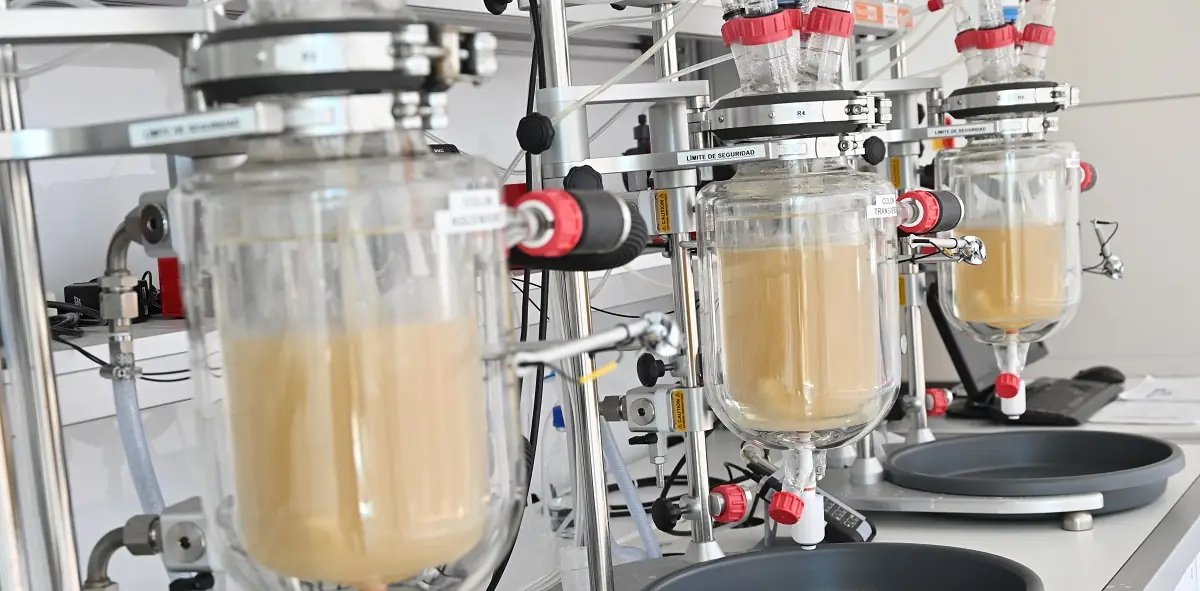
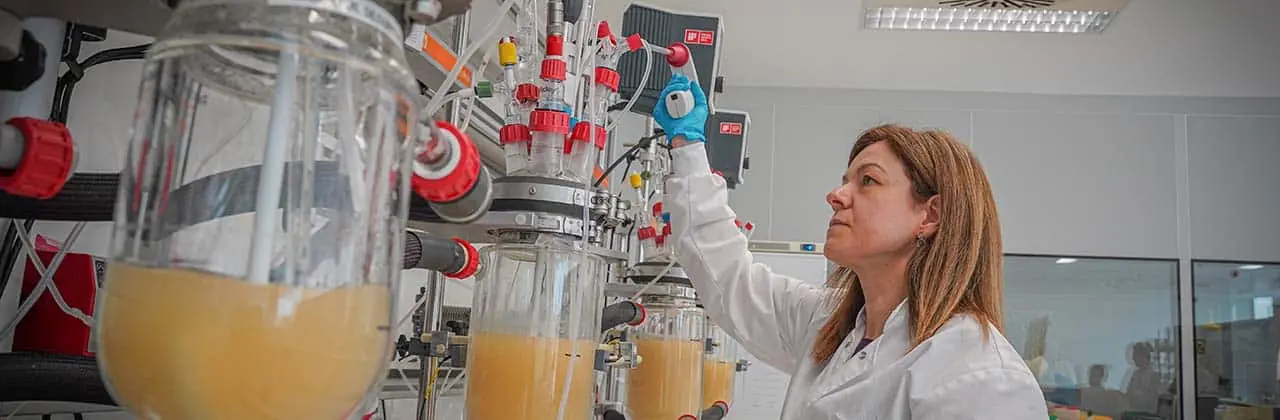
- Semi-continuous trials of DIET systems.
- Semi-continuous trials combining DIET systems and electromethanogenesis.
- Evaluation of yields and comparison with commercial upgrading systems.
- Dissemination, communication and transfer of results.
Results
- Establishment of biochar as a suitable conductive material and 0.04 g/g VS as the optimal dose for methane enrichment of biogas produced in anaerobic digestion from a 3:1 (w) mixture of wastewater and poultry manure.
- Achievement of a 27% increase in biogas production in semi-continuous anaerobic digestion under mesophilic conditions through the addition of the conductive material.
- Determination of the prolonged instability of anaerobic digestion under thermophilic conditions.
- Determination of the benefit obtained by adding biochar to anaerobic digestion at laboratory scale, 5 L, up to €283/tonne of biochar, and to an industrial plant processing 20000 tonnes of poultry manure per year, up to €56523/tonne of biochar.
Dissemination/Transfer
Press releases
- AINIA will develop 13 new R&D projects funded by IVACE
- AINIA studies the industrial viability of new technologies to improve biomethane production
- AINIA combines innovation and sustainability to optimise biomethane generation
Outreach articles
- What strategies are being used to increase methane production yield?
- Innovative technologies for in situ biogas purification
Results from the second year of the UPBIOMET+2 project
Internal communication
Video