Why Microbiology Is Critical in the R&D Pharmaceutical Industry
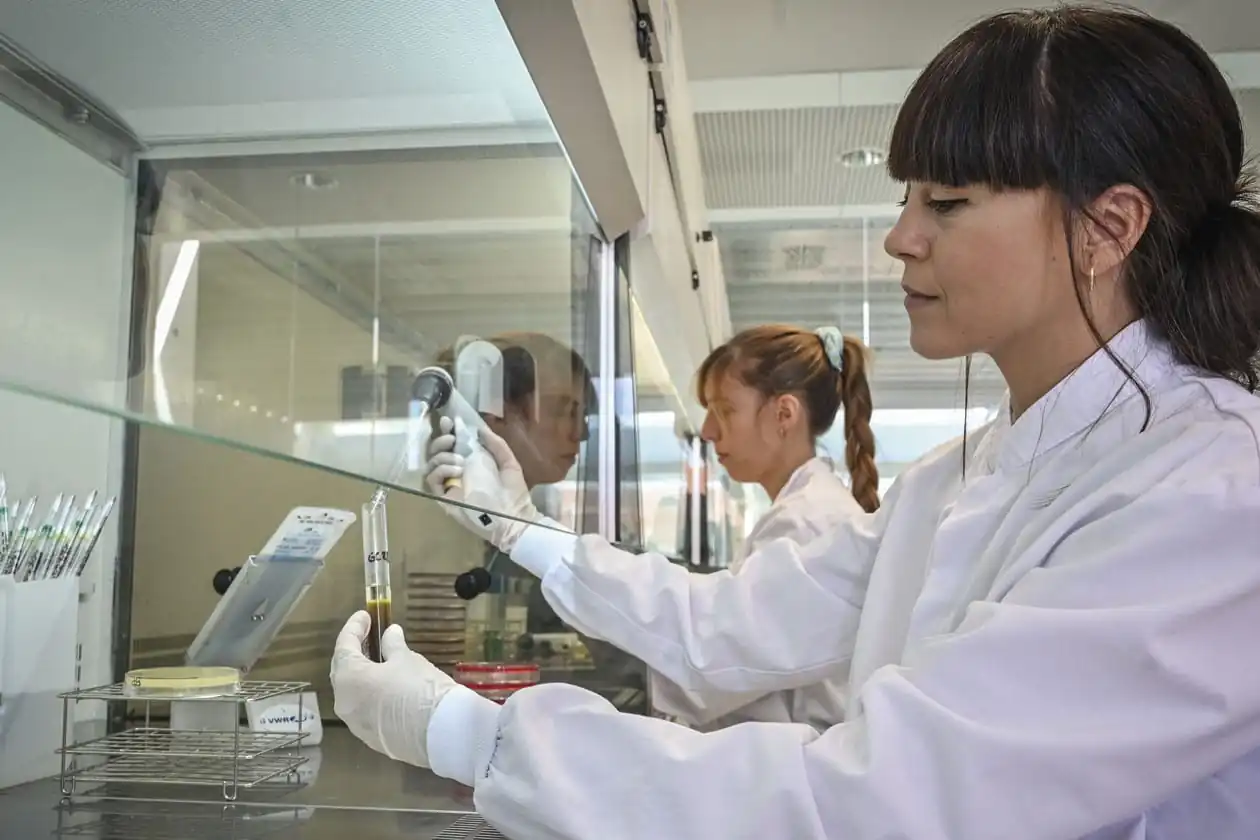
Pharmaceutical microbiology can be defined as the discipline that encompasses the manufacturing, quality control and safety of pharmaceutical products, as well as the understanding of their mechanisms of action. A deep knowledge of bacteria, yeasts, fungi and viruses makes it possible to:- Produce APIs through biotechnological processes such as fermentation, genetic expression and cell culture.
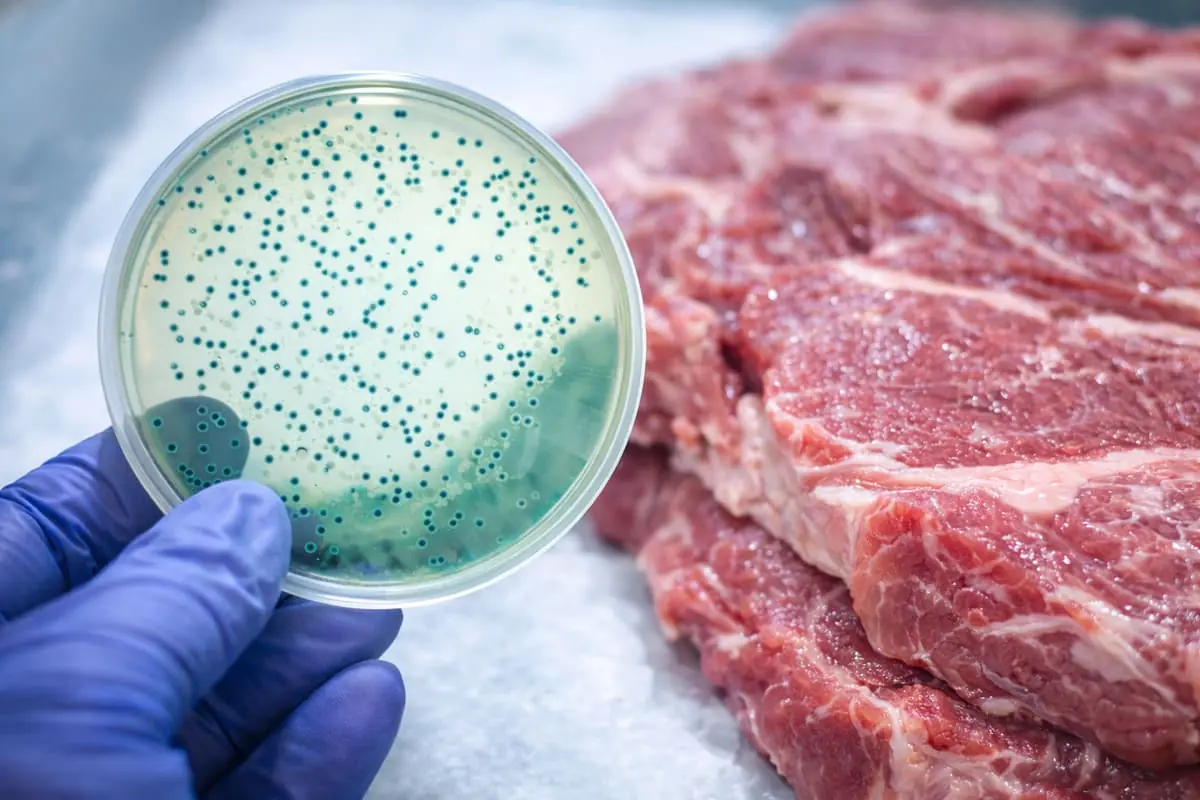
- Control contamination and ensure sterility in injectable or topical medicines.
- Develop vaccines, probiotics and advanced therapies including gene therapy and cell therapy.
- Reduce reliance on polluting chemical synthesis by enabling cleaner and more selective biological pathways.
Microorganisms Most Effective in the Pharmaceutical Industry
Several microbial species have proven exceptionally efficient as biofactories for producing high-value pharmaceutical ingredients:Escherichia coli (E. coli)
One of the most widely used hosts for producing recombinant proteins such as insulin or growth factors. Its genetic manipulation is straightforward and enables high productivity.Saccharomyces cerevisiae
Commonly used in ethanol production and in the expression of therapeutic proteins. It is a model organism in industrial biotechnology.Streptomyces spp
Soil bacteria responsible for the biosynthesis of many antibiotics, including streptomycin, erythromycin and tetracyclines.Bacillus subtilis
Used for enzyme and vaccine production. Its ability to secrete proteins directly into the culture medium simplifies downstream purification.Microalgae and Cyanobacteria
Sources of antioxidant, anti-inflammatory and immunomodulatory bioactive compounds.Filamentous Fungi (Aspergillus, Penicillium)
Key in industrial production of antibiotics, organic acids (such as citric acid) and enzymes.R&D and Innovation in the Pharmaceutical Industry: Sustainable Production of Active Ingredients
Sustainability and economic efficiency are central drivers in the innovation of pharmaceutical ingredients. Today, the R&D pharmaceutical industry is integrating advanced biotechnology with green extraction technologies to develop environmentally responsible APIs.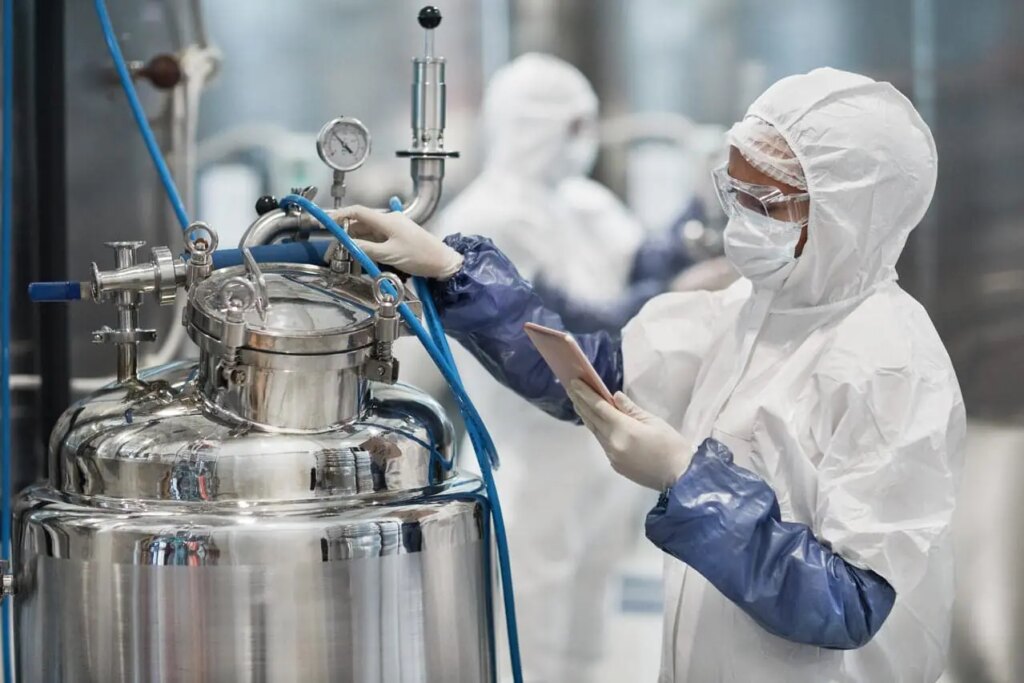
Supercritical CO? Extraction (ALTEX)
AINIAs ALTEX technology, based on supercritical carbon dioxide, provides a clean and efficient method for extracting active pharmaceutical ingredients:- CO? acts as a recyclable, non-toxic solvent, reducing organic solvent consumption and eliminating environmental residues.
- It operates at low temperatures, protecting thermosensitive molecules while removing pesticides, fats and contaminants in a single stage.
- AINIA offers capacity from pilot scale (20 L) to industrial scale (1,000 L), meeting ECO and Good Manufacturing Practice (GMP) standards.