Trends: natural cosmetic ingredients in formulation
Cosmetic formulation with natural ingredients is increasingly oriented toward functional actives with scientific evidence, sustainable origin and skin compatibility. Current trends combine dermatological efficacy with technological innovation, leading to formulas that not only respect the environment but also deliver visible and long-lasting benefits.| Key benefit | Key ingredients |
|---|---|
| Antioxidants and soothing ingredients | Resveratrol; Centella asiatica; Green tea polyphenols; Licorice extract; Green coffee extract |
| Radiance and photoaging | Retinol and natural alternative (bakuchiol); Vitamin C (ascorbic acid and derivatives); Acerola extract; Plant-based niacinamide |
| Postbiotics and cellular signals | Extracellular vesicles of microbial origin; Fermented Lactobacillus; Lipid postbiotics |
| Skin barrier and sensoriality | Plant ceramides; Essential fatty acids (omega 3 and 6); Oat extract |
| Texture and sebum regulation | Burdock extract; Witch hazel; Green tea |
Antioxidants and soothing ingredients
Natural antioxidants protect the skin against oxidative stress, reduce inflammation and improve skin tolerance.- Resveratrol: powerful plant-derived antioxidant with anti-inflammatory and anti-aging properties.
- Centella asiatica: deep hydration and antioxidant action.
- Green tea polyphenols: neutralize free radicals and soothe sensitive skin.
- Licorice extract: with soothing and depigmenting action, ideal for reactive skin.
- Green coffee extract: rich in linoleic acid and phenolic compounds, with antioxidant, hydrating and protective effects against external aggressions.
Radiance and photoaging
Natural ingredients that promote radiance and combat sun damage are key in anti-aging formulations.- Retinol (and its natural-origin alternatives such as bakuchiol, considered the natural retinol) helps improve texture, smooth fine lines and support skin renewal.
- Vitamin C (ascorbic acid and derivatives): stimulates collagen, improves skin tone and reduces spots.
- Acerola extract: natural source of vitamin C with high bioavailability.
- Plant-based niacinamide: improves skin texture and radiance.
Postbiotics and cellular signals
Postbiotics and extracellular vesicles modulate the skin microbiota and improve cellular communication.- Extracellular vesicles of microbial origin: transport bioactive signals that strengthen barrier function.
- Fermented Lactobacillus: improves hydration and reduces sensitivity.
- Lipid postbiotics: restore the microbiological balance of the skin.
Skin barrier and sensoriality
Protecting the skin barrier is essential to prevent irritation and improve the sensorial experience.- Plant ceramides: restore the lipid structure of the skin.
- Essential fatty acids (omega 3 and 6): reinforce cellular cohesion.
- Oat extract: reduces reactivity and improves softness.
Texture and sebum regulation
Natural ingredients also help control sebum and improve texture without altering skin balance.- Burdock extract: regulates sebum production and purifies.
- Witch hazel: astringent and anti-inflammatory action.
- Green tea: sebum-regulating with antioxidant effect.
What does natural mean in cosmetics today?
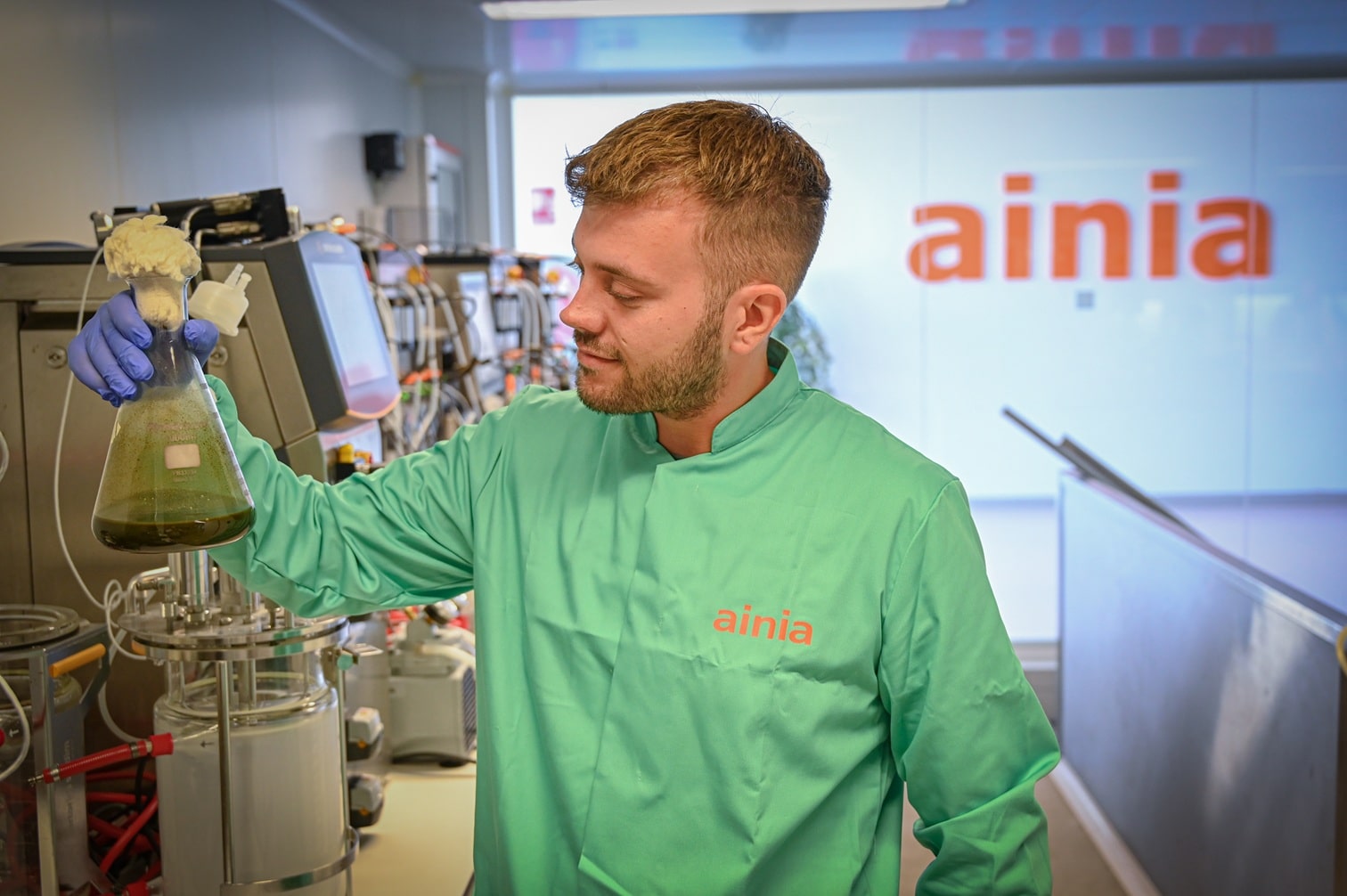
The concept of natural in cosmetics has evolved beyond simple plant extraction. In the R&D field, we refer to natural cosmetic ingredients obtained through advanced technologies that ensure efficacy, purity and sustainability. Among them are:- Biotechnological processes such as microbial fermentation, plant cell cultures or enzymatic biocatalysis, which allow the generation of bioidentical molecules that are highly reproducible and free from impurities.
- Clean extraction technologies, such as supercritical CO?, which concentrate actives, remove unwanted residues and preserve thermolabile compounds without the need for organic solvents.
- Encapsulation and targeted delivery, which stabilizes sensitive ingredients, improves their skin bioavailability and facilitates their dosing in industrial processes.
 Funded by the aid program for hiring young professionals specialized in internationalization