What is traceability in food?
Food traceability is the ability to identify and link raw materials, processes and final products through reliable records, allowing a company to answer three key questions precisely: what entered, what happened during processing, and what left and where it went. The objective is for this information to be connected and easily retrievable when needed, for example in the event of a deviation, complaint, alert or audit.Traceability vs. quality control vs. transparency: key differences
Although related, they represent three different pillars within food safety management:- Traceability provides the ability to track and reconstruct the products path: it links batches, movements, transformations and destinations. It forms the basis for limiting the scope of a problem and acting quickly.
- Quality control focuses on verifying compliance: specifications, acceptance criteria, sampling plans, analytical results, product release and non-conformity management.
- Transparency relates to how relevant information is communicated and demonstrated to customers or consumers, for example origin, sustainable practices or product attributes.
What information must follow the product: batch, origin, processes and destination
Key elements are typically grouped into four blocks:- Batch identification. This is the backbone of the system. A clear rule must exist for assigning batches to raw materials, intermediates and finished products.
- Origin and sourcing. This includes supplier, incoming batch, reception date and, when applicable, associated information.
- Internal processes. Traceability must link which batches enter each production order and which batches leave it, incorporating points where the product changes.
- Destination and distribution. Forward traceability depends on connecting batchshipmentcustomer. Order, date, quantities, logistics unit and destination must allow rapid identification of what left, to whom and with what scope.
Advanced analytics and AI for food traceability
In increasingly global and complex supply chains, advanced analytics and artificial intelligence make it possible to move from descriptive traceability to predictive and proactive traceability. AI creates value when it integrates dispersed records (ERP/MES/WMS systems, laboratory data, maintenance records, incidents, complaints, suppliers and logistics). In practice, it enables three key capabilities:- Anomaly detection
- Risk prediction
- Recommendation and prioritisation
How to ensure food traceability
Ensuring traceability means building an operational capability to locate, limit and decide quickly when a deviation, complaint or alert occurs. To achieve this robustly, it is advisable to adopt an integrated approach that connects: process, data and verification. An analytical control plan makes it possible to demonstrate that the food production and control system works effectively and keeps risks within acceptable limits. Here, the approach makes the difference: analysing the right parameters at the right time reduces costs, minimises recall risks and strengthens the confidence of retailers and authorities. At this point, AINIAs service for the design and implementation of control plans provides a critical layer to ensure the launch of safe products compliant with current legislation in each market, protecting consumers and facilitating compliance with standards such as BRC and IFS as well as specific requirements from retail chains.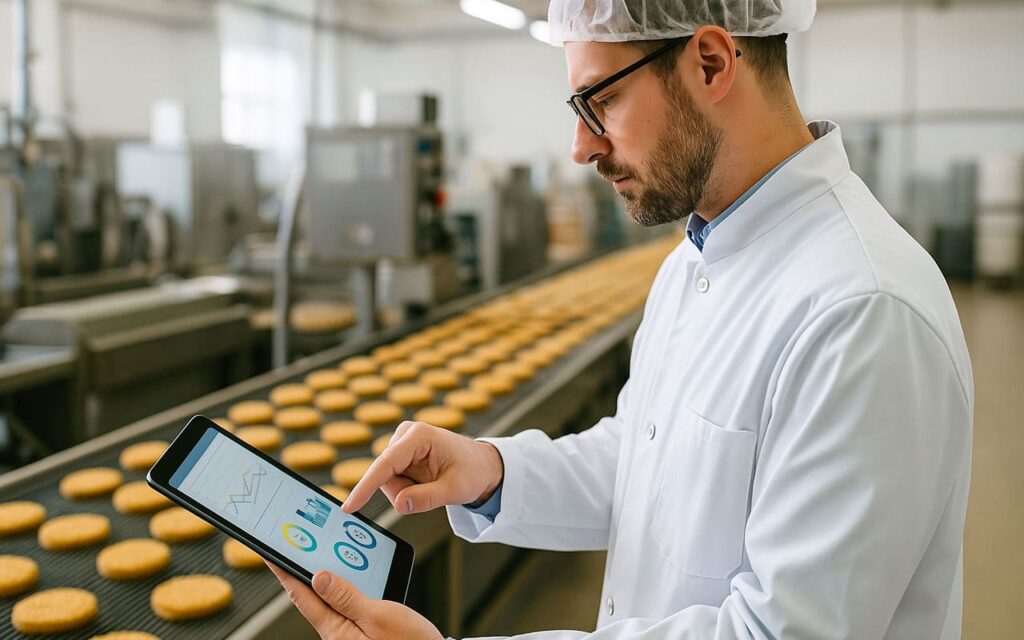 Funded by the aid program for hiring young professionals specialized in internationalization