Application of supercritical fluid extraction in food industry
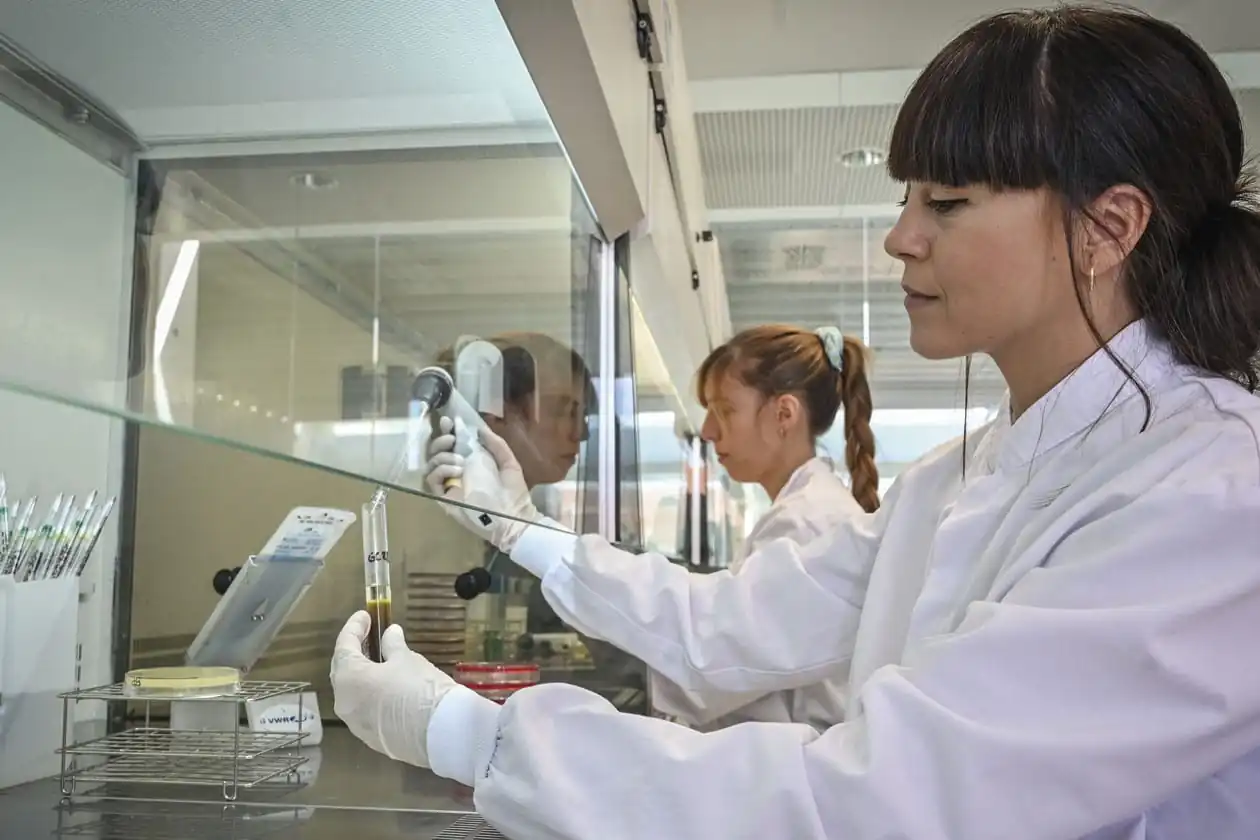
Research has shown numerous uses for the application of supercritical fluid extraction in food industry. Among the most established are:- Extraction of natural flavours and aromas from fruit peels, herbs, spices or coffee, without the use of organic solvents or altering the original sensory profile. These extracts are used in food, beverages, cosmetics and nutraceuticals.
- Decaffeination of coffee and tea, achieving up to 99% selective recovery of caffeine while preserving the original flavour.
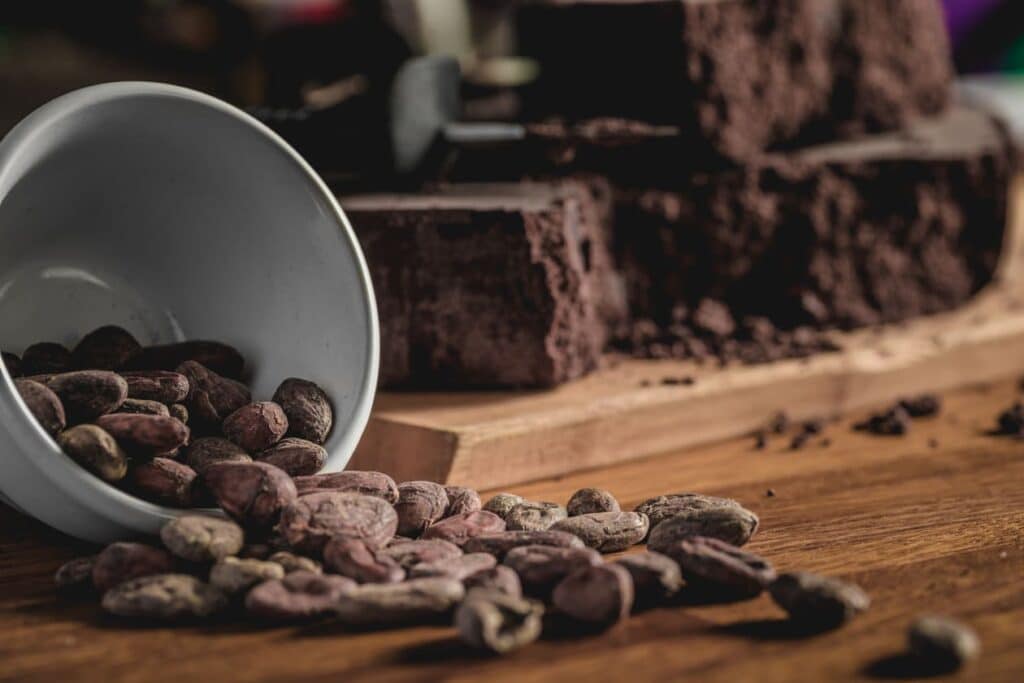
- Defatting of cocoa and nuts, reducing fat content to below 0.1% and simultaneously obtaining valuable co-products such as cocoa butter or nut oil.
- Development of functional ingredients, such as antioxidant, antimicrobial or anti-inflammatory extracts from natural sources like oregano, rosemary, turmeric, black garlic or other botanicals.
Supercritical fluid extraction: Advantages over conventional extraction technologies
Although often perceived as an expensive technology reserved for premium products, the application of supercritical fluid extraction in food industry is already used in the development of everyday consumer products. This includes decaffeinated coffee, natural flavourings in baked goods or beverages, and essential oils used in natural preservatives or cosmetics. As processes are optimised and equipment becomes scalable, costs decrease and the technology becomes increasingly accessible and widespread. Compared with traditional techniques such as distillation or solvent extraction, supercritical CO? extraction offers key advantages:- Higher selectivity
- Cleaner processes
- Lower energy consumption
- Safer final products for the consumer
Challenges and future research directions for supercritical fluid extraction
Although supercritical fluid extraction is already well-established in industries such as cosmetics and pharmaceuticals, its broader adoption in food still faces several challenges. These include initial investment costs, the need to tailor process conditions to various raw materials, and industrial scalability. Current research focuses on process optimisation, development of co-extraction systems, and integration with other technologies such as encapsulation, fermentation or impregnation. The use of artificial intelligence for predictive modelling of process conditions, as well as life cycle assessment (LCA) for environmental evaluation, are also key lines of work. All these strategies aim to make the application of supercritical fluid extraction in food industry more competitive, sustainable and aligned with market and regulatory requirementspositioning it as a key technology for the transformation of the food sector.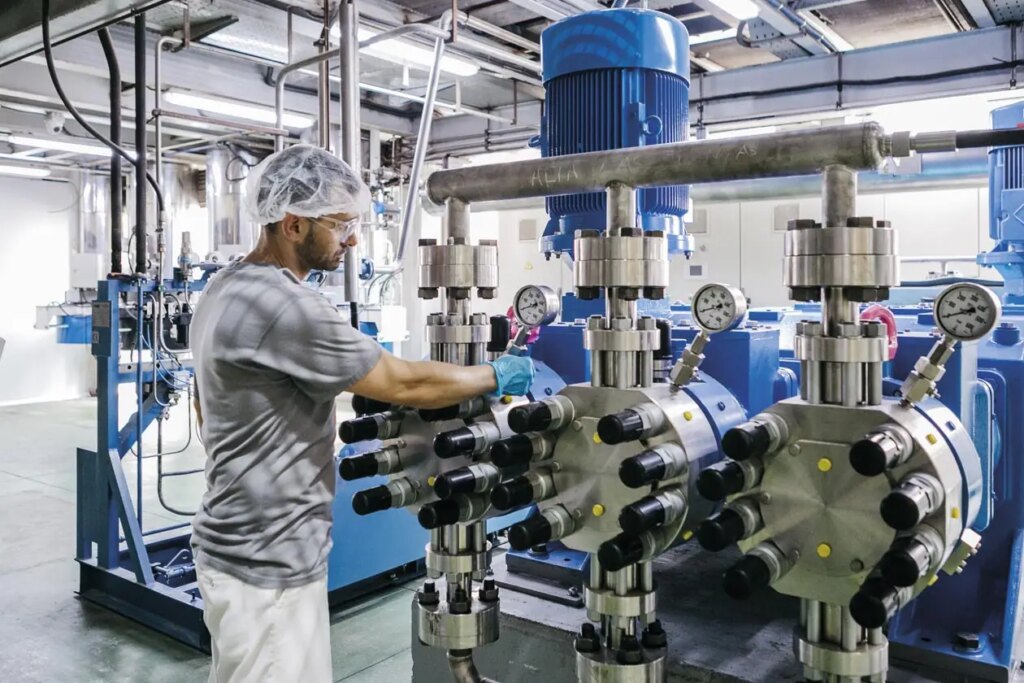 Funded by the aid program for hiring young professionals specialized in internationalization