Innovation for New Colon-Targeted Therapies
Inflammatory bowel diseases and colorectal cancer continue to rise worldwide. Their impact on quality of life, together with the high associated healthcare costs, underscores the need to develop more effective and safer therapeutic solutions grounded in solid scientific evidence.
In this context, PHARMANOVA II has built upon the work initiated during the first year, working closely with the Valencian companies Nova Terra Foods and Monteloeder to advance biotechnological and tissue-based tools capable of identifying, characterising, and directing new natural molecules toward key therapeutic targets in the colon.
In this new phase, we have deepened our work in cellular screening tools, advanced in vitro models, supercritical CO? fractionation technologies, and colon-targeted controlled-release systems. All with a clear purpose: to accelerate preclinical research and open new opportunities for the development of ingredients and compounds with therapeutic potential.
In this video, we present a clear and visual overview of PHARMANOVA II milestones and advancementsfrom screening platforms and organ-on-chip models to extraction and controlled-release strategies developed in this new project stage. A dynamic synthesis of how we are moving towards new natural-compound-based solutions for inflammatory colon diseases.
New Tools to Identify Molecules with Anti-Inflammatory Activity
One of our main lines of work has been strengthening the cellular screening platform developed during the first year, focused on studying intestinal inflammatory processes.
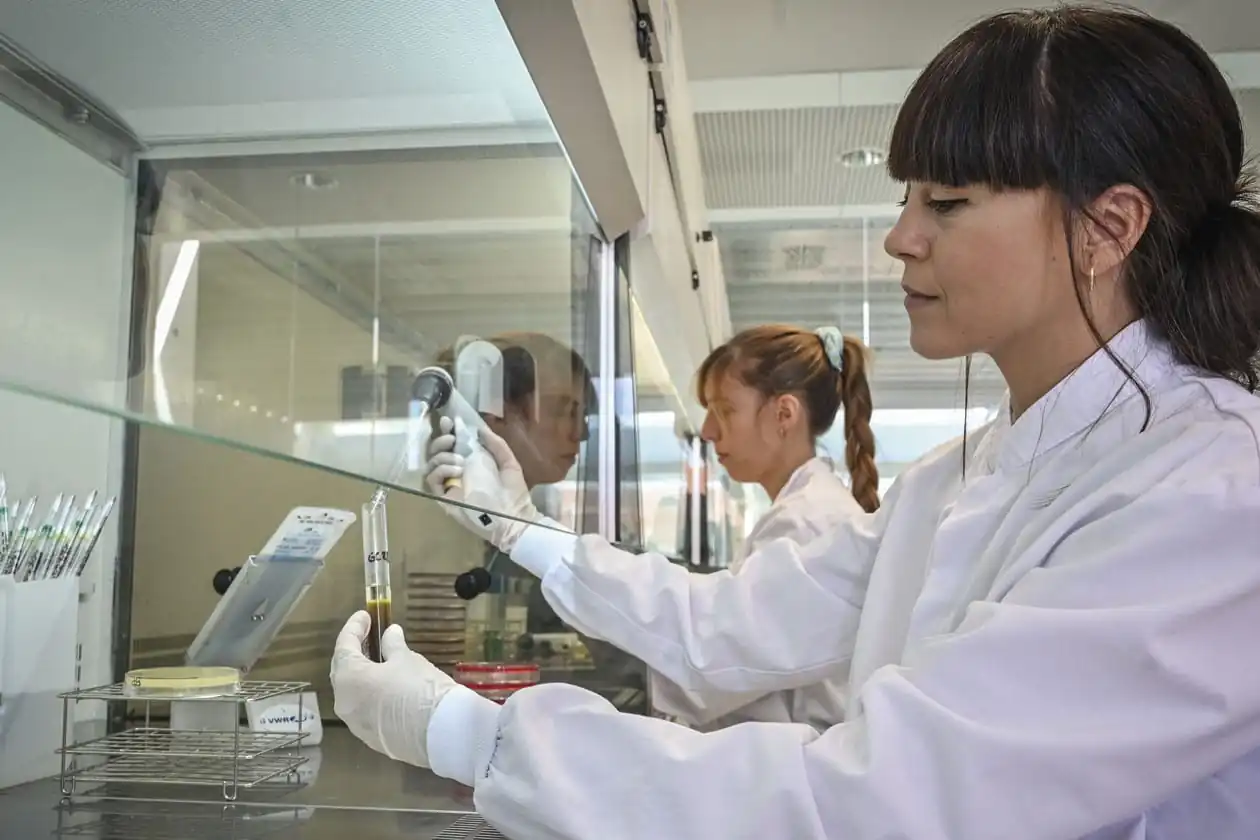
Work has continued with the platform based on an inflammation reporter cell line, which enables rapid and accurate evaluation of the anti-inflammatory activity of different natural extracts. This year, we optimised the assay to confirm the anti-inflammatory activity of the pomegranate extract supplied by Monteloeder, as well as several fractions obtained through supercritical CO? technology.
In parallel, we have advanced in developing a more complex cellular model: a genetically modified cell line designed to recreate a chronic inflammation environment similar to that observed in conditions such as ulcerative colitis or Crohns disease. This model will allow us to more precisely study the behaviour of molecules with therapeutic potential in a more representative context.
3D Models and Organ-on-Chip Systems to Better Understand the Inflammatory Response
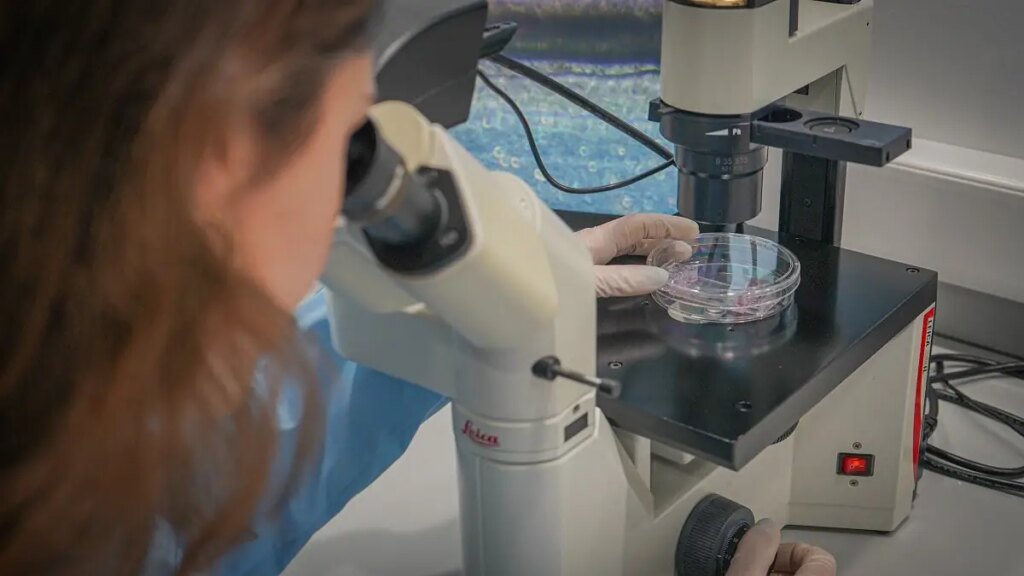
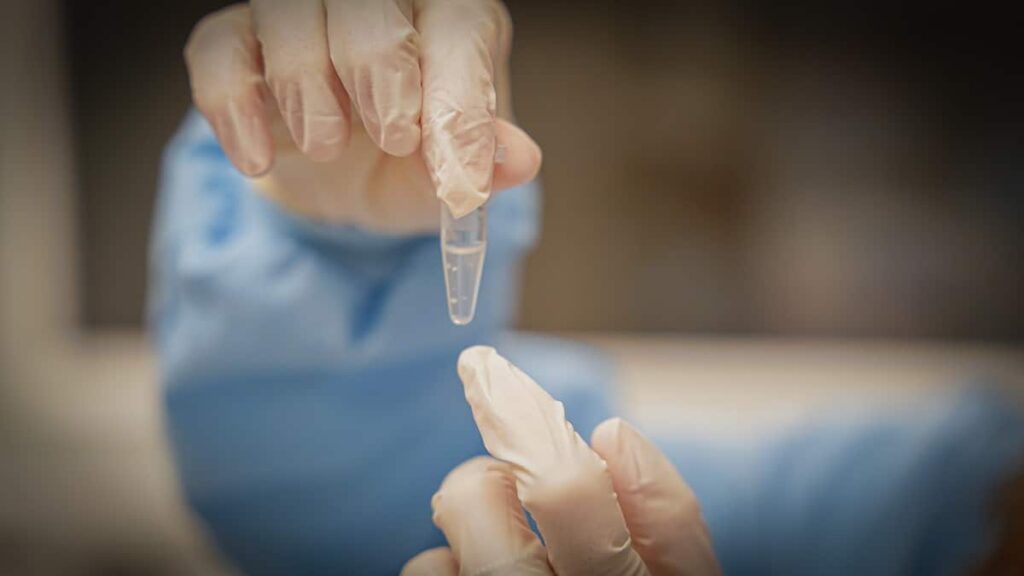
Another key advancement of PHARMANOVA II has been the incorporation of more realistic and physiologically relevant in vitro models.
We implemented 3D culture technology using a spinner system to generate colon spheroids from human colorectal carcinoma cells. From these spheroids, we established an inflamed model that enables the evaluation of treatment efficacy in a three-dimensional environment much closer to real tissue. In this system, we studied the anti-inflammatory effects of both a reference postbiotic and the pomegranate extract used in the project.
Furthermore, we took an additional step by integrating the inflammation reporter cell line into the microfluidic gut-on-chip system developed in PHARMANOVA I. This combination allows real-time monitoring of inflammation in a dynamic system that more closely simulates intestinal behaviour. We validated the system by demonstrating its ability to detect reduced inflammation after applying pomegranate extract fractions obtained through supercritical CO?.
In parallel, we began exploring the potential of intestinal organoids as an even more advanced model for studying the mechanisms of action of molecules with therapeutic interest.
Supercritical CO? Fractionation to Obtain More Concentrated and Stable Extracts
In the field of separation technologies, we continued developing fractionation processes based on supercritical CO? as a clean and efficient tool for obtaining plant fractions enriched in bioactive molecules.
Using various plant raw materialsespecially those provided by our collaborating company Nova Terra Foodswe obtained extracts with higher oxidative stability and significantly increased concentrations of minor compounds such as tocopherols and tocotrienols, which are linked to antioxidant activity and potential benefits in inflammatory conditions.
In some cases, these fractions showed increases of up to 70% in alpha-tocopherol and up to 50% in specific tocotrienols compared with extracts obtained using conventional techniques.
New Analytical Techniques to Quantify Bioactive Compounds
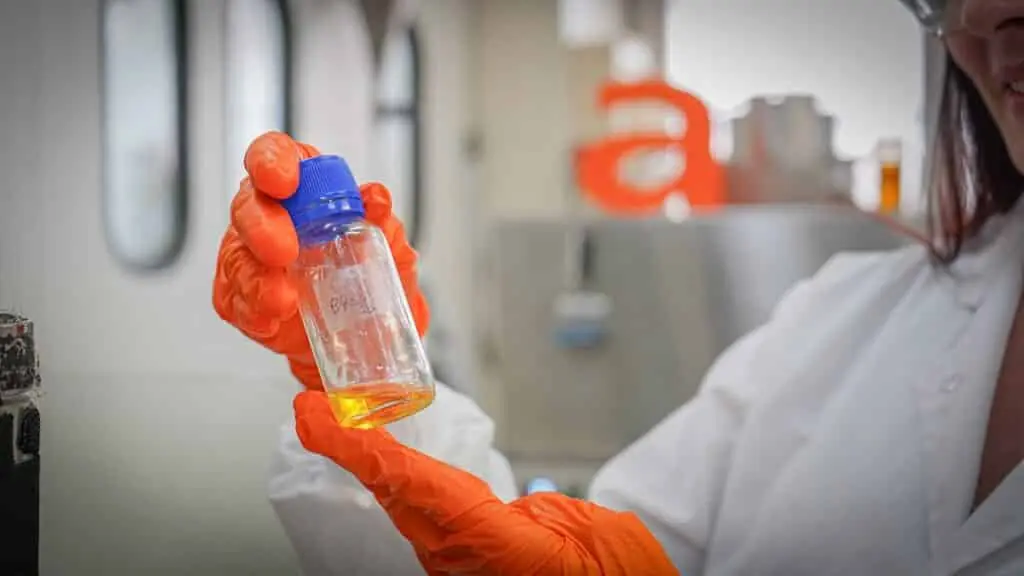
To accurately characterise these natural compounds, we developed and validated a methodology based on high-performance liquid chromatography with fluorescence detection (HPLC-FL) for the quantification of tocotrienols in pistachio oil.
The method was validated following criteria of reproducibility, precision, and linearity, confirming its suitability for preclinical studies and for evaluating the impact of the fractionation processes developed in the project.
Controlled-Release Systems That Act Where They Are Needed
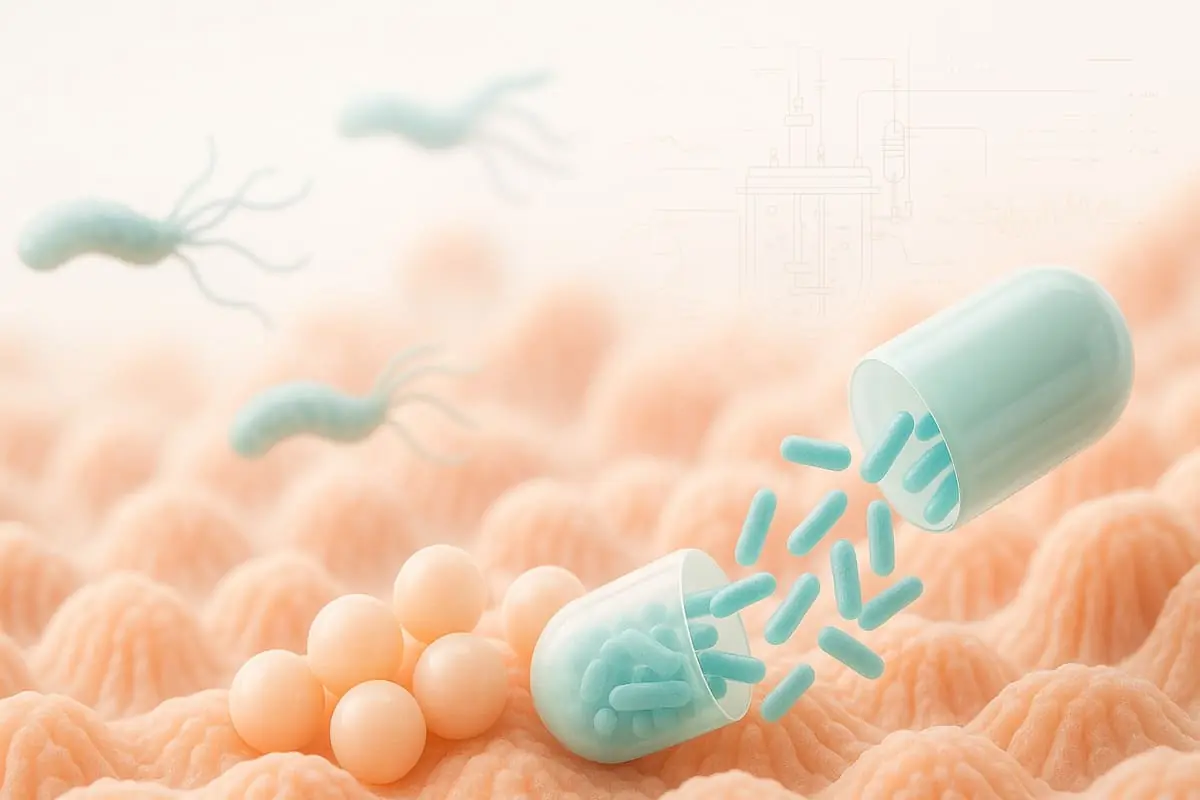
Another key axis of the project has been the development of controlled-release systems designed to protect sensitive molecules and target them specifically to the colon.
Building on the advances from PHARMANOVA I, we designed a dual-encapsulation system that combines mucoadhesive materials with gastro-resistant coatings. This approach enables the protection of compounds such as butyric acid during gastrointestinal transit and promotes their release precisely where their biological action is required.
In vitro digestion assays showed that this system reduces release during the early stages of digestion, suggesting more effective delivery to the colon.
A Project Advancing Health Innovation
This project is supported by IVACE and FEDER funds, which has enabled us to continue advancing in knowledge generation and the development of technologies with potential to transform the management of inflammatory colon diseases.
This second year has been an important example of collaboration between science and industry. We have worked closely with Nova Terra Foods and Monteloeder, companies from the Valencian Region that provided raw materials, extracts, and key information to guide developments toward real-world applications.
We remain committed to fostering new therapeutic opportunities based on natural compounds and advanced in vitro models, and to strengthening collaboration with companies and organisations across the health ecosystem.