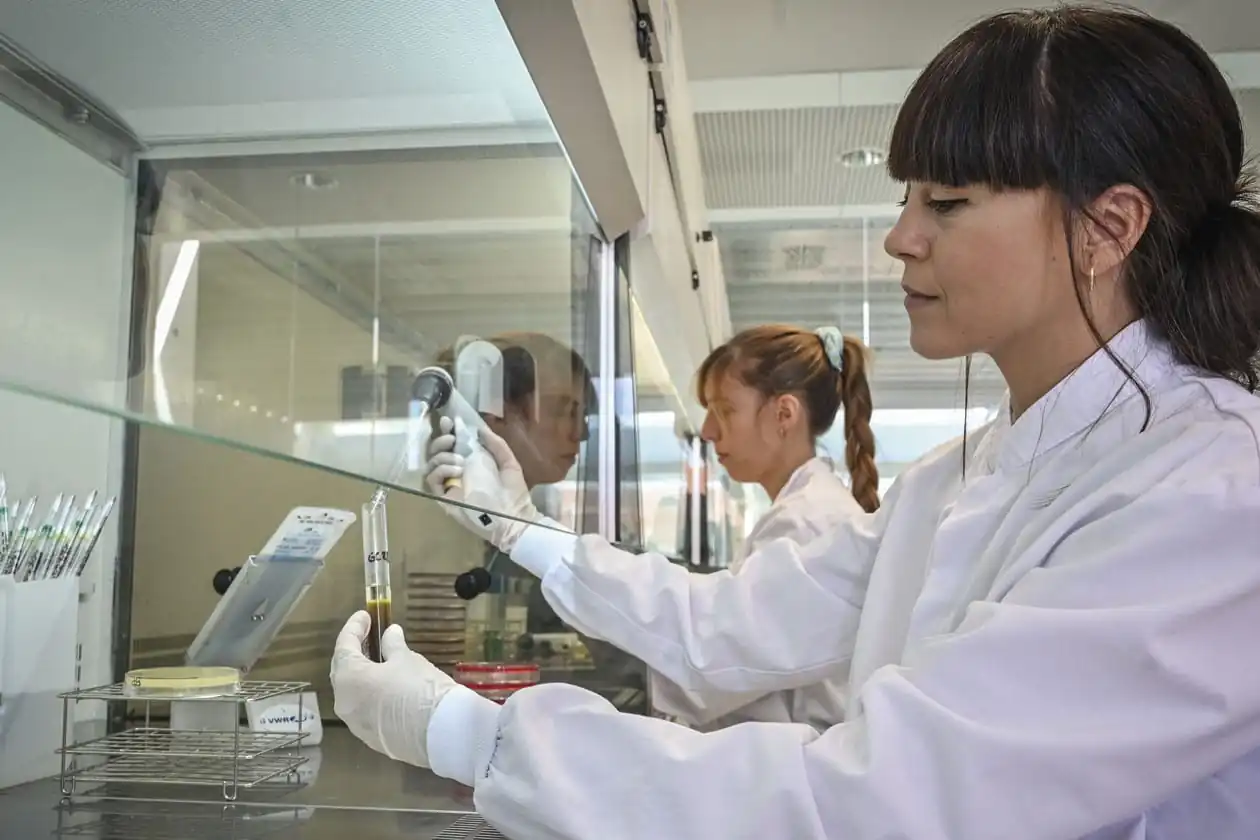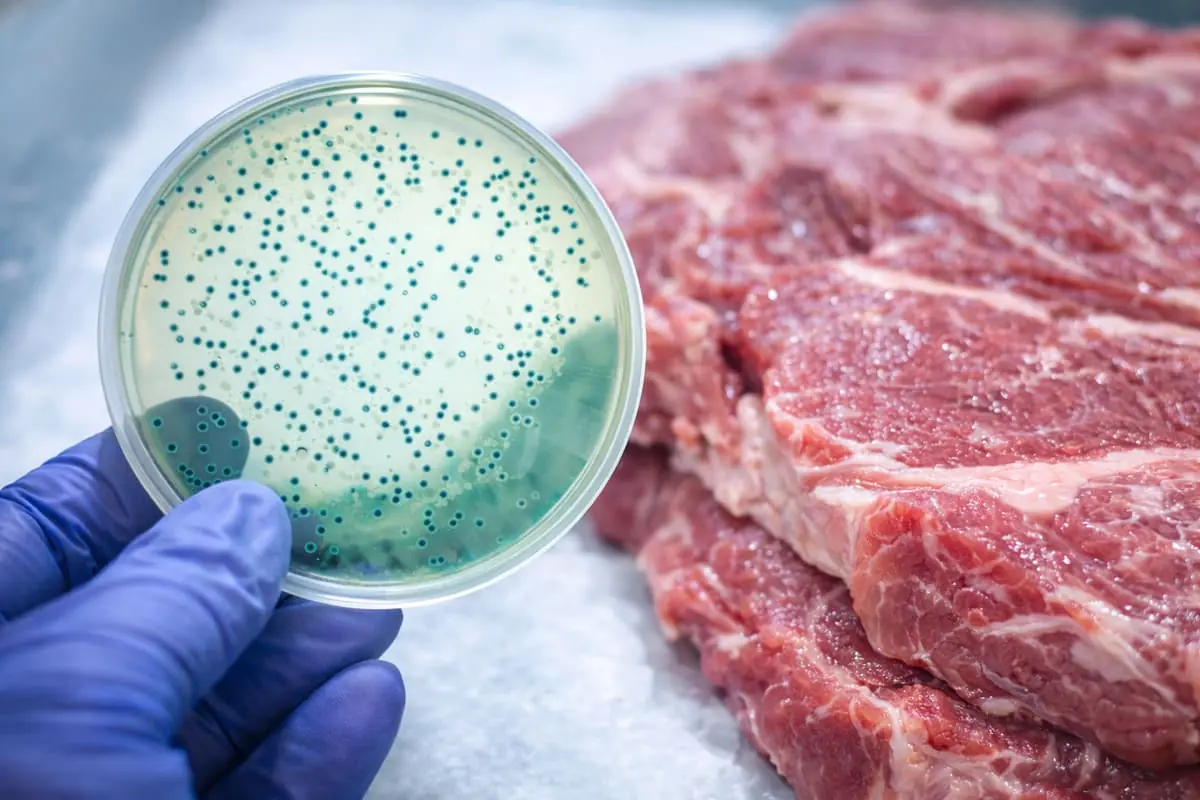
Can we improve the analytical control of residues of veterinary substances in meat and other products of animal origin? In this article, we review the latest advances in this field and how, thanks to screening and multi-parameter techniques, we can minimise the inherent risk associated with the presence of this type of substance in meat and other products of animal origin without this resulting in an additional cost in our self-monitoring plan.
The control of residues of veterinary substances in products of animal origin
Veterinary drug residues are all pharmacologically active substances that remain in food products obtained from animals to which such drugs have been administered either directly or through their feed. The administration of these substances, when used without adhering to good practice principles, may leave residues in food.
Analytical control is a highly useful tool in the prevention of different residues and contaminants in food. As in almost all cases, for residues of veterinary substances in meat, in addition to ensuring the maintenance of good veterinary practices in livestock farming, analyses must form part of the self-monitoring systems of meat industries and especially of slaughter facilities for the different species.
As with any control plan, once risks have been assessed, it is necessary to carry out a cost-benefit evaluation and design plans that cover the necessary active substances, with adequate sampling pressure and economic viability.
In this regard, advances in analytical techniques and particularly the development of chromatographic methods are making it possible to find increasingly efficient solutions to address this issue.
Multi-residue chromatographic techniques and screening service
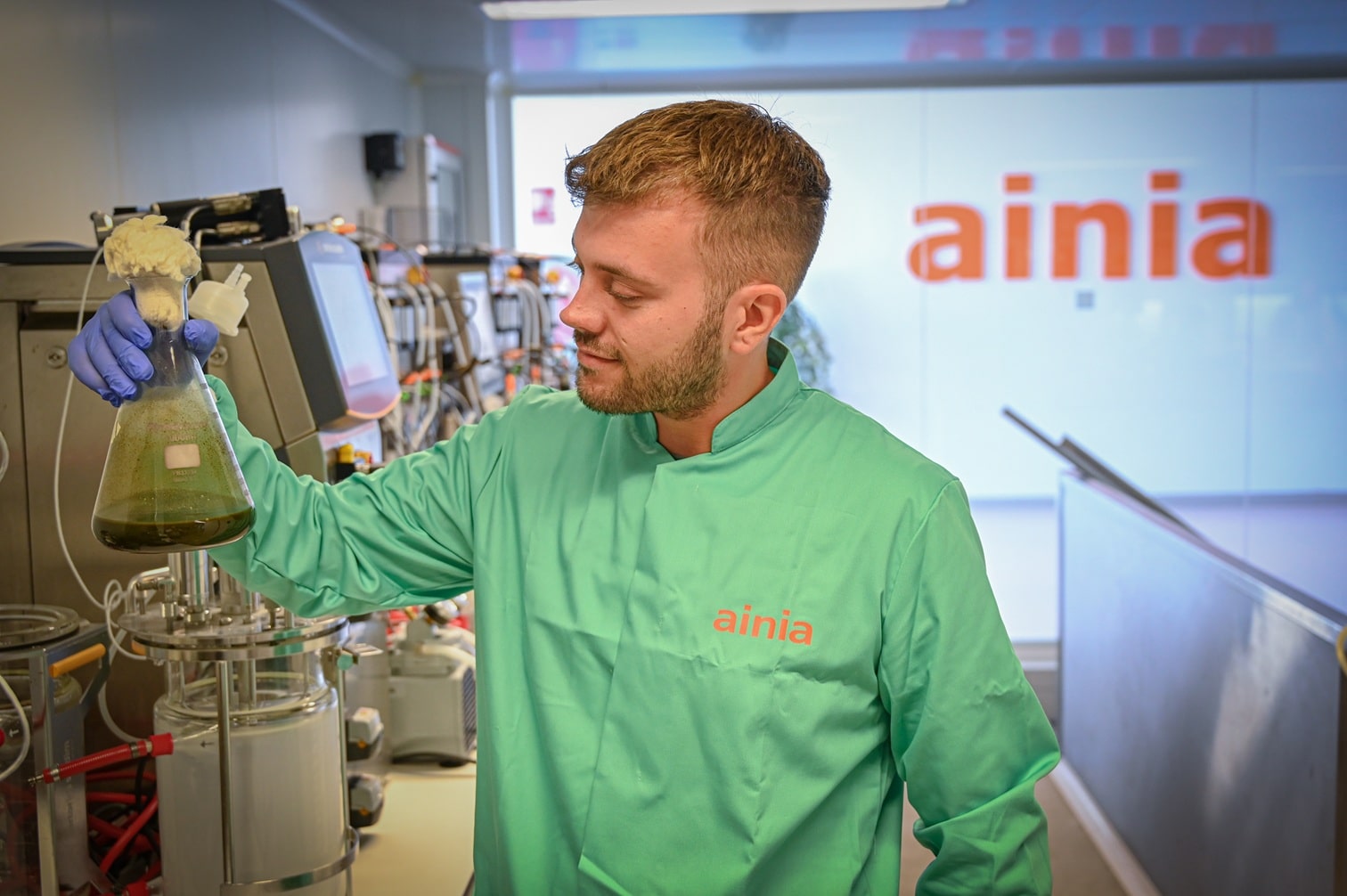
AINIA has selected chromatographic techniques (LC-MS/MS) as the techniques of choice in this field.
They offer many advantages over both classical microbiological techniques and those based on immunological reaction (ELISA). The most notable are:
- The occurrence of false positives is very rare, especially when compared with what happens with the other two technologies, in which this phenomenon is significantly more frequent.
- Chromatographic techniques constitute confirmation methods for this use. In the other cases, positive results require confirmation by chromatographic techniques.
With the aim of expanding the number of active substances analysed in a single test, we have developed two multi-residue chromatographic methods that allow the simultaneous analysis of a wide range of active substances in the sample (including metabolites) more economically than traditional methods with a narrower scope of application, and with high selectivity and sensitivity.
Specifically, in the case of antibiotics and anthelmintics, our multi-residue method covers 71 different substances, determined in a single analysis from the following families:
- sulfonamides
- trimethoprim
- tetracyclines
- quinolones
- penicillins
- macrolides
- lincosamides
- amphenicols
- cephalosporins
- anthelmintics
And in the case of hormones, a total of 27 substances from the four families:
- stilbenes
- steroids
- resorcylic acid lactones
- corticosteroids
In addition, moving forward with services that make it possible to minimise food safety risk at the best possible cost, we have implemented a screening or multi-parameter sweep method. With this method, we can improve the costs and turnaround times of multi-parameter services. In the event of a positive result, quantification of results is required in order to verify legislative compliance, which usually occurs in a low number of cases, so the cost of the control plan can be optimised.