Basic Disciplines to Understand Food Safety Hazards
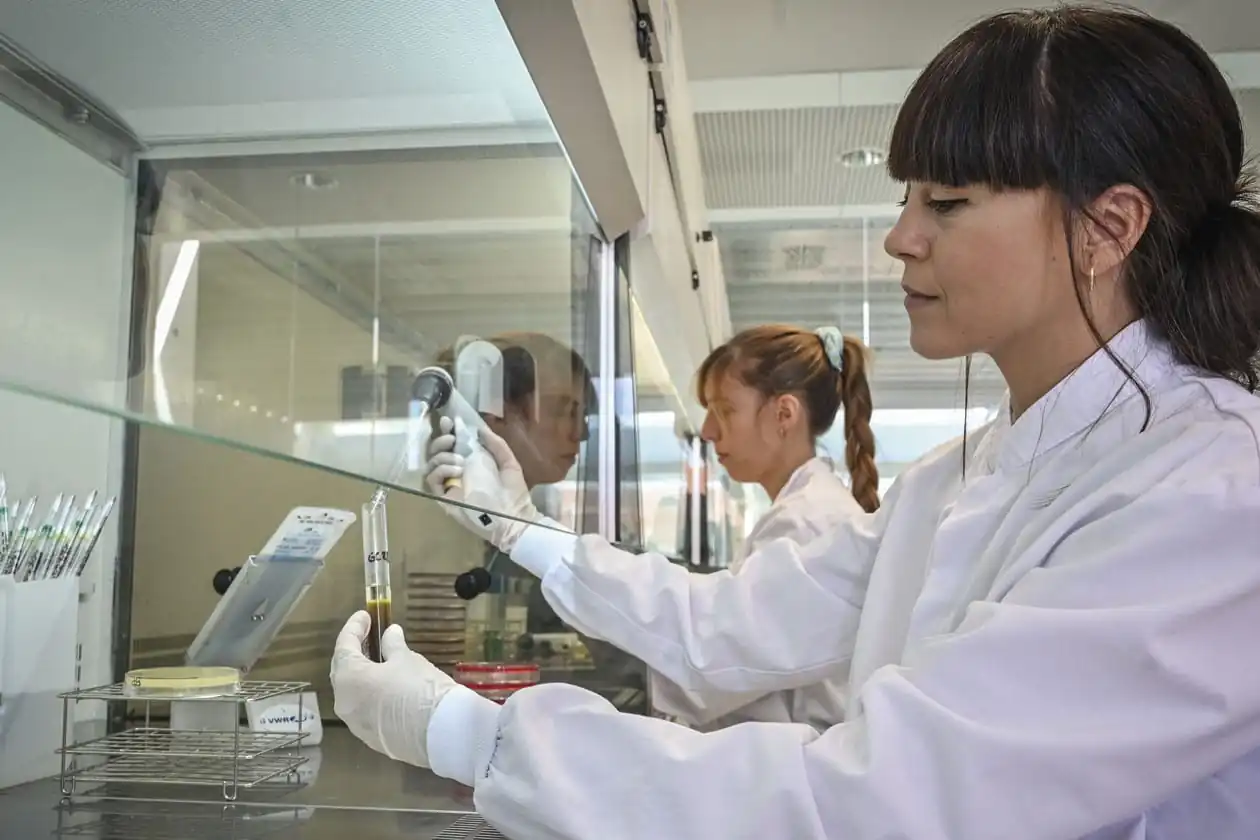
We can say that toxicology, analytical chemistry, food microbiology, and epidemiology are the basic disciplines for understanding food hazards, assessing their risks, and controlling them. We could also add the knowledge of physical hazards as another field of knowledge related to food safety.- Food Toxicology focuses on studying the chemical risks present in food, mainly residues and contaminants. This field evaluates how these substances can affect human health by determining safe exposure levels and establishing regulations to minimize risks. In this way, it answers the question of what is the tolerable exposure for the consumer’s health to these substances and helps establish the maximum limits for these substances, above which the food is considered unsafe. To ensure safety, toxicological knowledge is complemented with analytical chemistry, which is fundamental in food control, as it allows us to quantify the presence of residues and contaminants in different products through various analytical techniques.
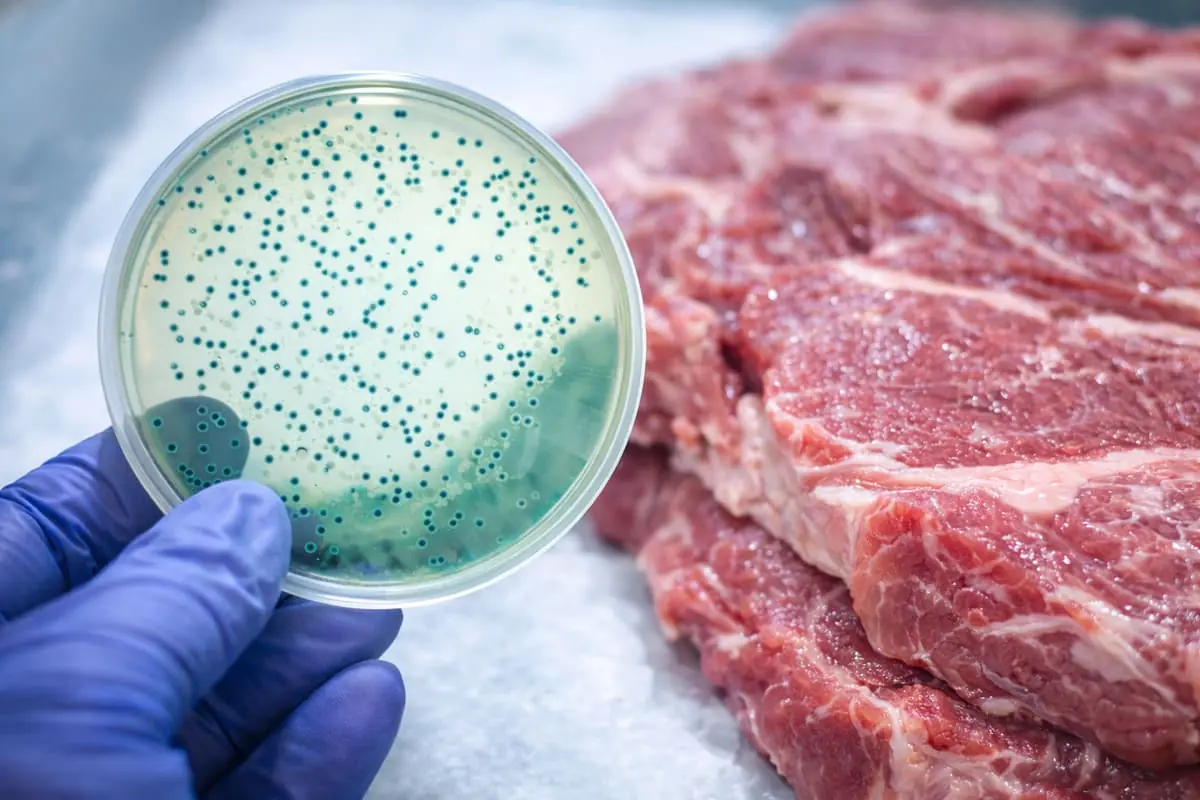
- Food Microbiology and Parasitology focus on microbiological hazards, including bacteria, viruses, fungi, and parasites potentially present in food that may contaminate it and cause diseases. This field studies how these microorganisms develop and spread, and how they can be controlled through hygiene practices and proper processing. Food microbiology also uses advanced techniques to detect and control these microorganisms, ensuring the safety of the foods we consume.
- Epidemiology also plays an important role in food safety by identifying and controlling foodborne disease outbreaks. By analyzing data on the incidence and distribution of these diseases, epidemiologists can detect patterns and contamination sources. For example, if there is an increase in salmonella cases in a specific region, experts can trace the outbreaks origin to a contaminated farm or food processing plant. This allows for corrective measures to be implemented, such as product recalls and improved hygiene practices, to prevent future outbreaks. Epidemiology thus helps protect public health and strengthens confidence in the food supply chain.
Technological Innovation in Risk Detection
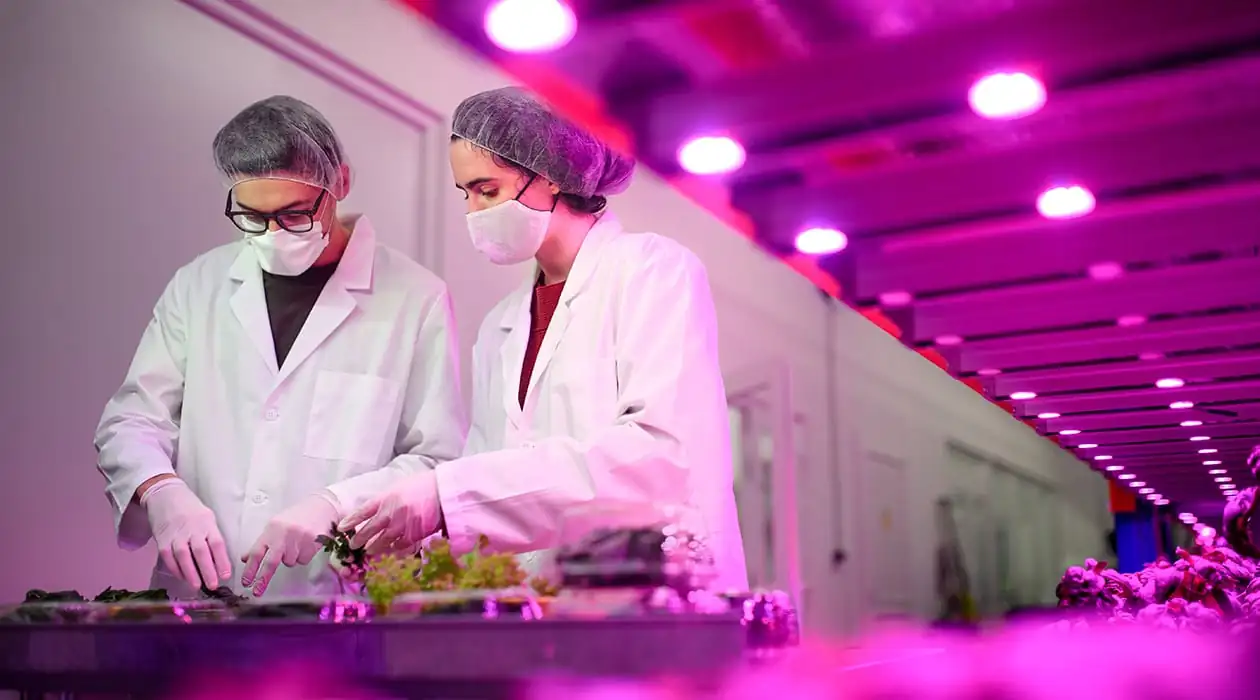
Technological innovation in food safety has deeply transformed the way food is produced, processed, preserved, and controlled. Thanks to the application of scientific knowledge, technologies have been developed such as new non-thermal inactivation treatments, smart sensors for contaminant detection, and automated traceability systems that allow monitoring each stage of the food chain, to name a few examples. These tools can help ensure that food reaches the final consumer with high safety standards, minimizing all types of food risks, while also improving process efficiency. In addition to ensuring food safety and traceability, these innovations consider key aspects such as nutritional value, organoleptic characteristics (taste, aroma, texture, and color), and consumer convenience. For example, active packaging not only extends the shelf life of products but also provides information about their freshness. Furthermore, the development of functional and personalized foods allows the diet to be tailored to the specific needs of each individual, promoting a healthier and more sustainable diet.How to Identify New Food Risks
Another challenge in food safety is how to identify new food risks or emerging risks. The food world is extremely dynamic, so the presence and incidence of different food hazards change over time, giving rise to new risks or emerging risks for various reasons, such as:- Increased exposure of the population to a particular hazard. For example, rising temperatures and climate variability promote the proliferation of mycotoxin-producing fungi (such as aflatoxins in cereals), increasing the risk of exposure to these toxic compounds.
- Increased consumer susceptibility. An example is the growing number of people, especially children, who have allergies to foods such as nuts, milk, eggs, or seafood. Accidental exposure to trace amounts of these allergens, even in small quantities, can cause severe reactions.
- New knowledge in food toxicology and microbiology. For example, some bacteria once considered harmless, commensal, or mildly aggressive, like certain strains of *Escherichia coli* non-O157, are now recognized as emerging pathogens. For instance, E. coli O104:H4 caused a severe outbreak in Europe in 2011, associated with the consumption of vegetable sprouts, leading to a reassessment of microbiological risks in fresh products and the control of these microorganisms.