
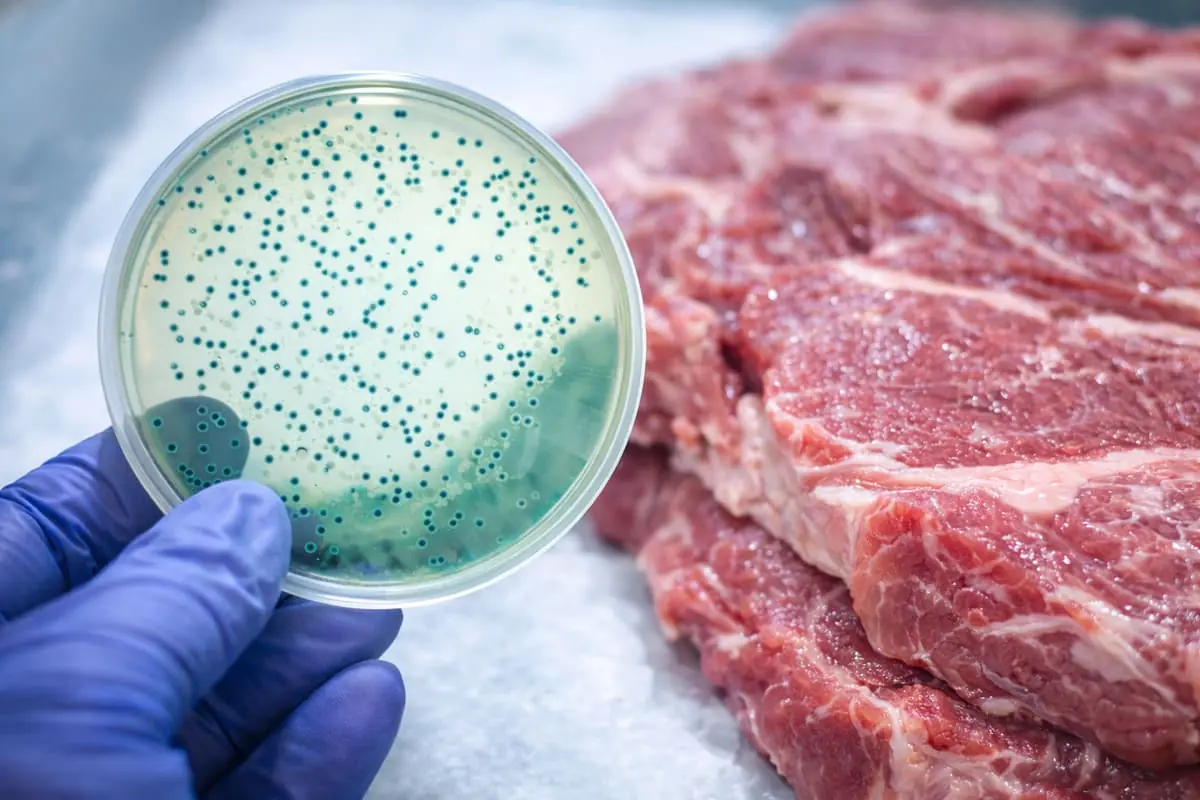
Foodborne illnesses, also known as food poisoning, occur when people consume food contaminated with pathogenic microorganisms or their toxins. These contaminants are often invisible food may look, smell, and taste normal but can cause serious gastrointestinal symptoms such as abdominal pain, diarrhea, nausea, vomiting, and fever.The current food safety and quality control systems, both in primary production and processing and marketing in developed countries, ensure a high level of consumer protection in food matters. Therefore, the incidence of outbreaks of infections such as those mentioned below can be considered relatively rare. Furthermore, alert networks such as the RASFF database (Rapid Alert System for Food and Feed), the most important information exchange tool at the European level, guarantee swift action by authorities and various operators in the event of alerts. Below is a clear list of the 10 most common Foodborne diseases, including their causes, symptoms, and prevention measures.







This site is registered on wpml.org as a development site. Switch to a production site key to remove this banner.