Food Safety and Physicochemical Risks: The Challenge of Residues and Contaminants Under Control
The main physicochemical hazards present in the food chain today are:- Pharmacological and phytosanitary residues (pesticides, residues of medications in animal production, nitrates, and nitrites )
- Environmental contaminants (heavy metals, persistent organic pollutants (POPs) )
- Toxic residues derived from food processing (acrylamides, trans fatty acids, polycyclic aromatic hydrocarbons (PAHs), furan ) or from materials in contact with food (Bisphenol A (BPA), 4-methylbenzophenone (4MBF), and others)
- Natural toxic residues from the original food (tropine alkaloids )
- Prohibited or unauthorized substances (melamine, unauthorized colorants )
- Mycotoxins, Aflatoxins, Ochratoxin A, Marine biotoxins
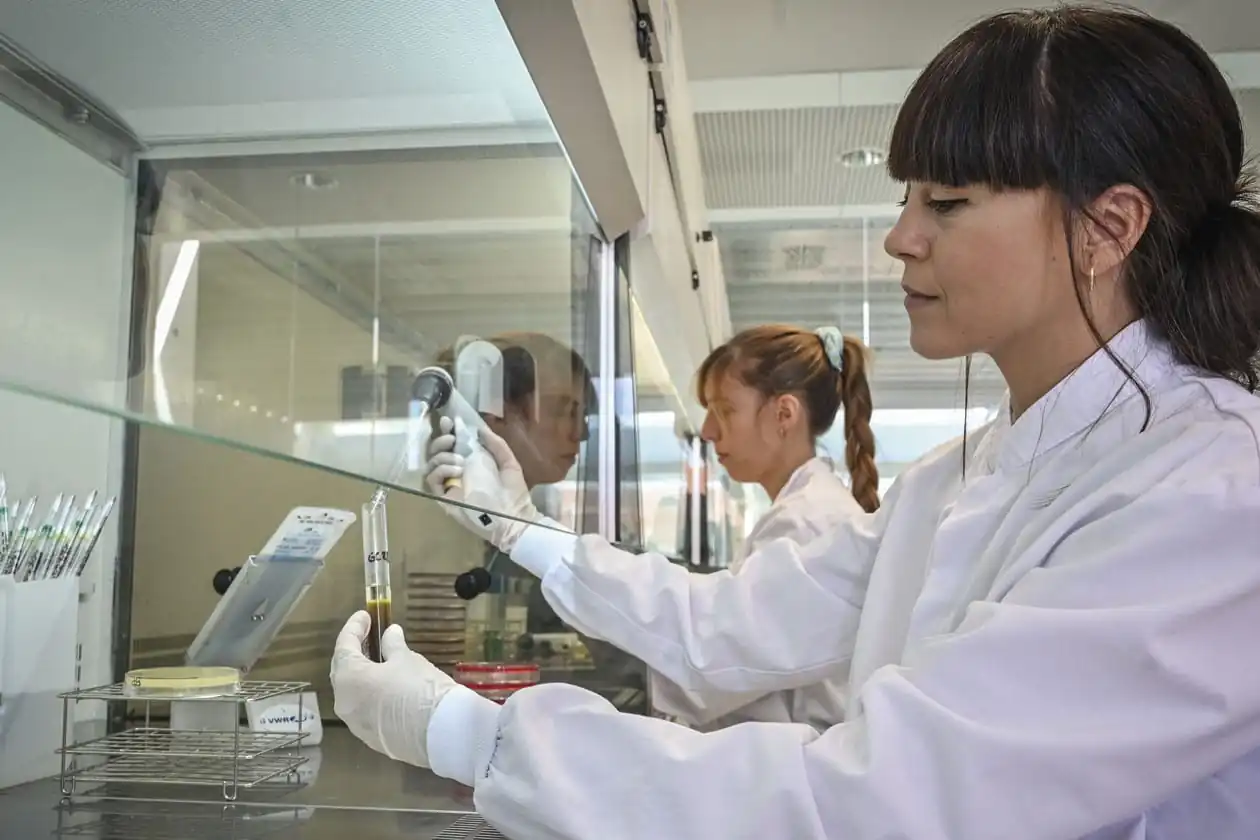
- Innovation in analytical techniques that enable rapid, safe, and reliable identification, with increasingly reduced costs for companies, and that help improve food hygiene, inspection, and control systems.
- The introduction of new advanced vision technologies, optical technologies, and electronics in general… constitutes one of the pillars of modern food inspection today, achieving real-time and automatic detection in a non-invasive manner, with high detection levels. This represents a significant advancement in product quality.
Food Safety: An Updated View of Biological Risks
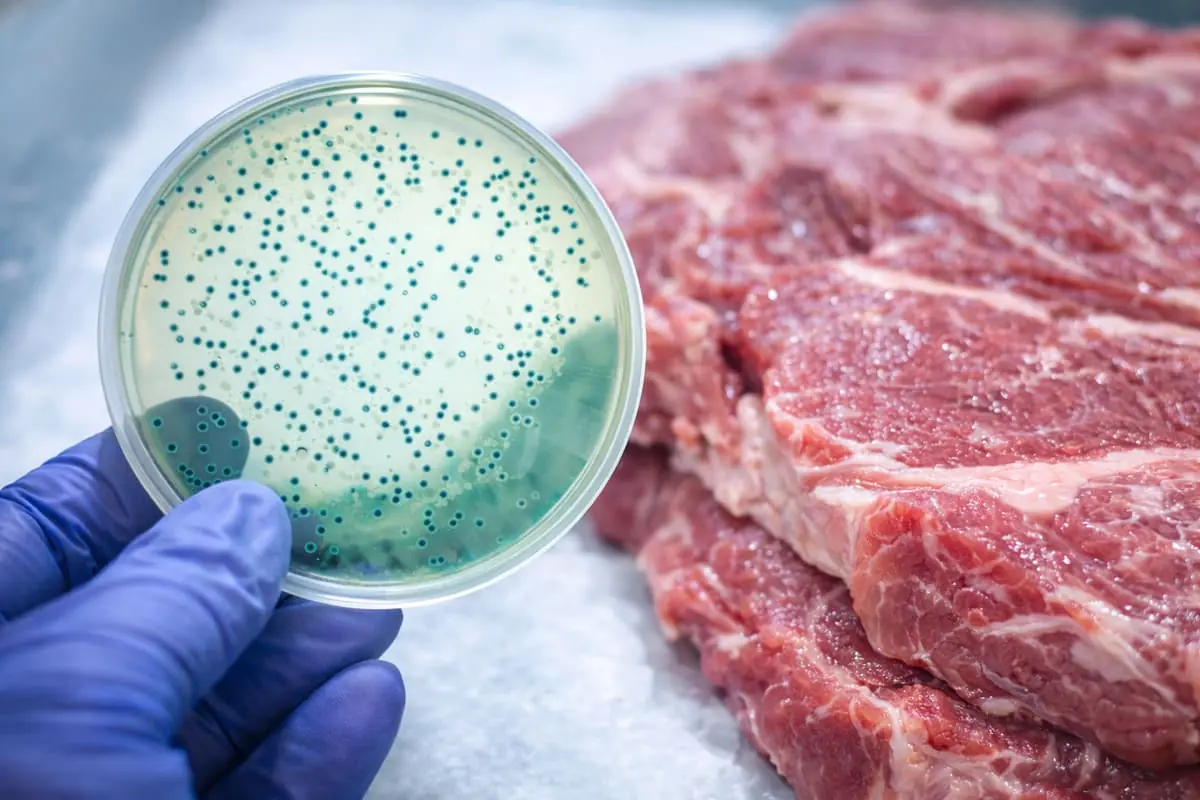
From the perspective of biological and microbiological risks, the focus today is on controlling pathogens and biofilms. Listeria monocytogenes, E. coli, Campylobacter spp, Salmonella, and Staphylococcus aureus are the main pathogens affecting food. Additionally, viruses such as Norovirus, Rotavirus, Hepatitis A, and other enteric viruses are also of concern. Technological advances and innovations in the field of food safety are significant. Today, we would like to highlight the following:- New techniques for the rapid and safe identification of microorganisms. Additionally, the incorporation of molecular PCR techniques for pathogen identification in food has provided significant advantages.
- The advancement in biosensors and their application to the control of microorganisms on surfaces in contact with food is one of the fields of innovation of growing interest.
- It’s also worth highlighting the new research on the use of phages, which we believe will be one of the most prominent R&D lines in food safety in the coming years.
Prevention and anticipation: Key aspects in food safety for the 21st century in the EU
Prevention is the key to food safety in the 21st century in the EU. It’s not just about managing food crises and alerts, but about preventing them from happening in the first place. Prevention involves:- The hygienic design of equipment and facilities. The equipment and facilities involved in the food and pharmaceutical production processes play a crucial role in minimizing the risk of contamination of these products. Considering the hygiene variable in the design, construction, installation, and use of these equipment and facilities is one of the best preventive strategies.
- The development of new preservation treatments for processed foods, which ensure product quality, nutritional value, while extending shelf life and food safety. We refer to thermal preservation treatments such as radiofrequency, microwave, ohmic heating, as well as non-thermal treatments such as electric pulses, ultrasound, pulsed UV light.
- Turning packaging into an active element for food safety, ensuring the safety of the food regarding contact with the material. From the perspective of packaging technologies.
- The development of “Cloud Computing” platforms for automatic traceability control. The potential of ICT technologies in food safety is significant and is becoming a key area of innovation that will mark a very significant turning point.