Advantages associated with supercritical carbon dioxide treatment processes for food processing
Food product manufacturing typically involves a separation stage to recover the components of interest from a complex mixture in which they are present. At times, separation treatments are required to eliminate compounds that are not desired in the food, such as fatty compounds or contaminants like pesticides. Many times, these separation stages use organic solvents. However, due to the associated handling inconveniences, legislation is progressively limiting their use in food processing, as well as the maximum tolerable thresholds in the final products. Furthermore, extraction using organic solvents often involves high temperatures, which can degrade certain active ingredients. It also requires subsequent conditioning and purification stages of the extracts obtained or the treated material to remove residues of the solvent used. Given these considerations, the application of supercritical carbon dioxide can be a suitable alternative due to advantages such as its high availability, low cost, non-toxicity, non-flammability, or non-explosiveness. Both the extract and the starting matrix are free from solvent residues, and the process avoids severe temperature conditions.Types of food applications and examples
Given the aforementioned inherent advantages, it’s evident to recognize the high potential of supercritical fluids in the food sector. Among its applications for the sector are extractive processes, fractionation processes, or processes for the removal of unwanted compounds (dearomatization and decontamination). Examples of food applications, some of which will be discussed in depth later in this blog, would include the following batch extraction processes:- Decaffeination of coffee and tea: Through this process, the extracted caffeine is also recovered in an aqueous solution, which can then be concentrated and separated. This solution is available as a product for other food, pharmaceutical, or cosmetic applications. In this way, up to 99% of the caffeine is selectively extracted, avoiding significant loss of aroma.
- Fat removal from foods, such as cocoa fat removal: Supercritical carbon dioxide is capable of extracting fat from cocoa to levels below 0.5%. This results in both defatted cocoa as treated raw material and cocoa butter as an extract. Other examples include fat removal from nuts and fat removal from cereals.
- Obtaining herbal extracts and aromatic extracts: Due to its high selectivity, companies like FLAVEX NATUREXTACTE (Germany) have been manufacturing botanical extracts for over 25 years, with an annual production exceeding 1000 tonnes. Supercritical extracts of ginger, marigold, carrot, olive, and pepper are some examples of products currently commercialized.
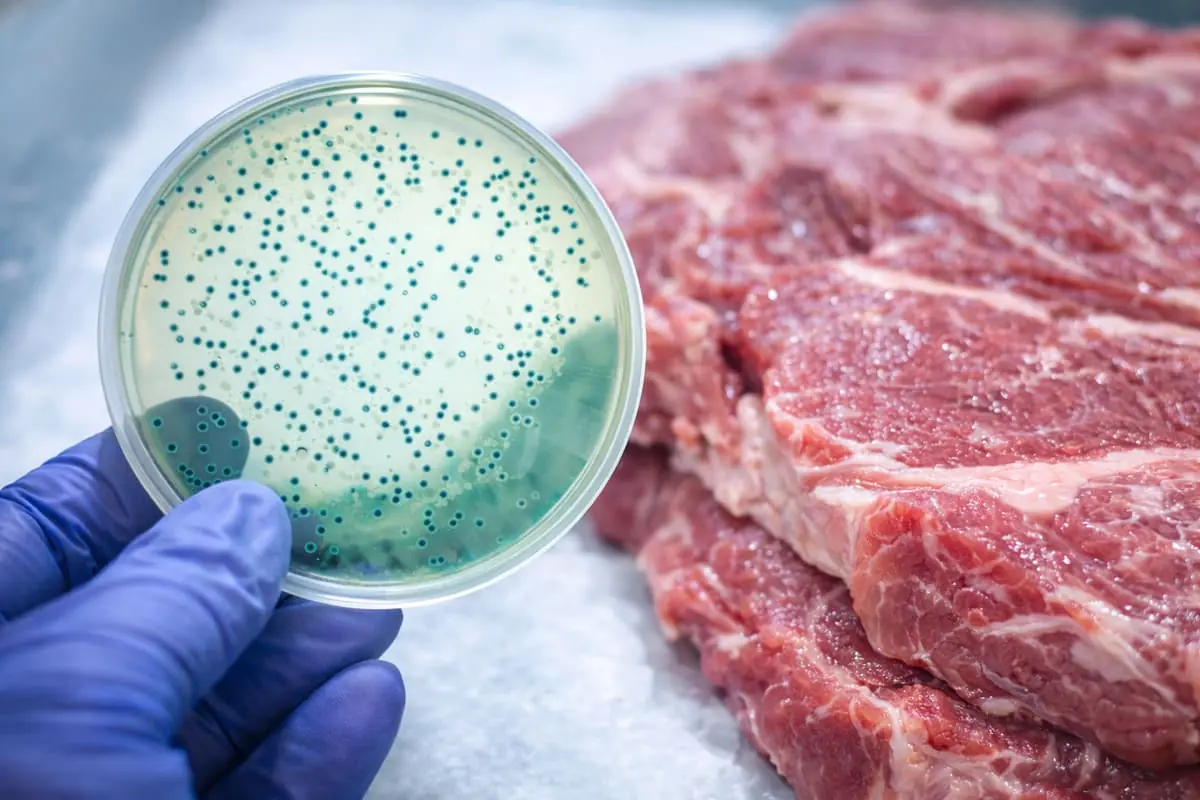
- Removal of contaminants from foods: Removing pesticides from rice is one of the examples of this type of process, currently implemented on an industrial scale. For instance, there is a plant located in Taiwan with a treatment capacity of 90 tonnes of rice per day (Brunner G. 2010).
- Obtaining hop extract for beer brewing: Supercritical extraction enables the production of a high-quality extract used to provide proper aroma to the beer.