5 Strategies to protect the sensory properties of cosmetic extracts

Picture of Daniel Rivera
Daniel Rivera

07 Jan 2026

 
  1. Minimising oxygen exposure
  2. Thermal control in critical process stages
  3. Protection against light during processing and storage
  4. Formulation optimisation: pH, matrix and compatibility
  5. Structural protection systems: encapsulation
  6. Comparison of encapsulation techniques
Preserving the sensory properties of cosmetic extracts — including aroma, colour and freshness — requires a direct intervention on the physical and chemical mechanisms that drive degradation. For highly sensitive ingredients, structural protection strategies such as encapsulation play a key role in isolating volatile compounds and maintaining their integrity throughout the product life cycle.Below are the main technical strategies commonly applied in the cosmetic sector to reinforce the stability of sensory properties in natural extracts.

1. Minimising oxygen exposure

What does it address? Oxidative degradation of aromatic compounds and natural colourants. How is it implemented?
  • Closed processing systems or inert atmospheres.
  • Vacuum-controlled equipment with nitrogen purging.
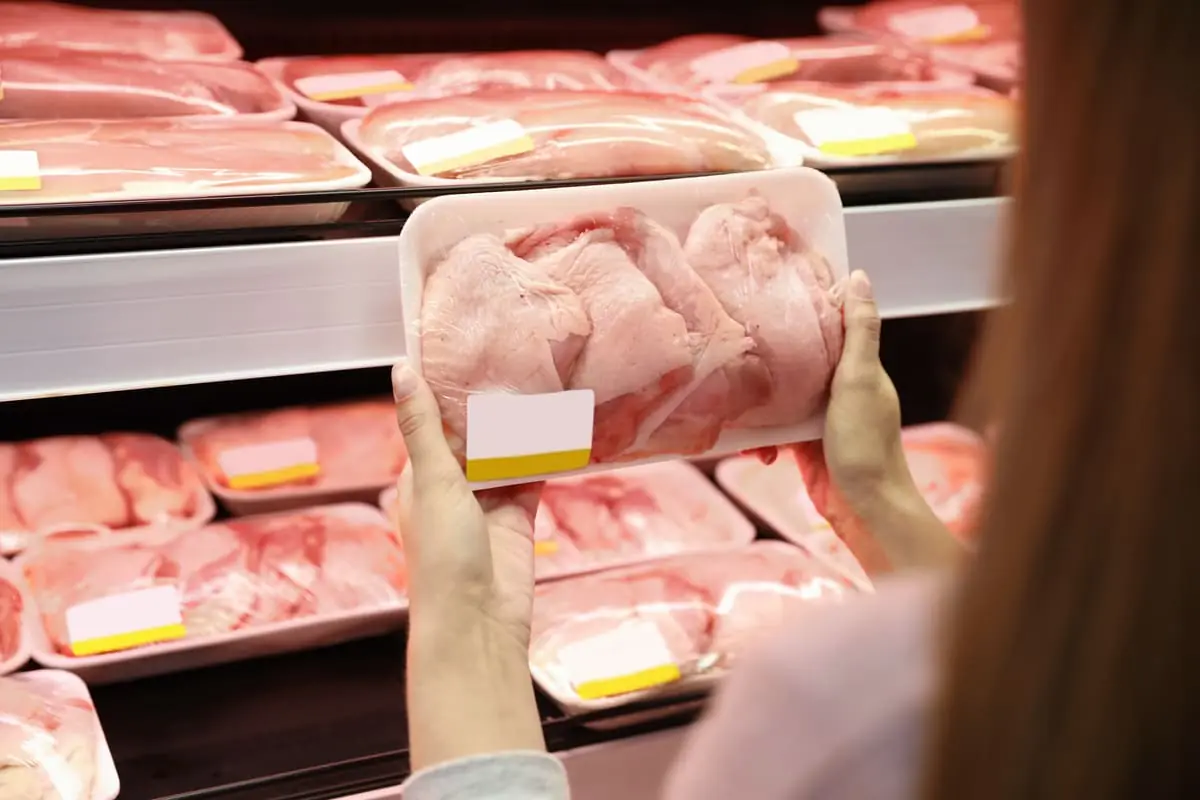
  • Barrier packaging materials with low oxygen permeability.
Sensory benefit Preserves freshness and prevents the development of rancid or off-odours.

2. Thermal control in critical process stages

What does it address? Thermal degradation of volatile and thermolabile compounds. How is it implemented?
  • Low-temperature extraction and concentration technologies.
  • Controlled heating during blending and processing.
  • Stable temperature profiles during storage and logistics.
Sensory benefit Protects volatile fractions and prevents simplification of the aromatic profile.

3. Protection against light during processing and storage

What does it address? Photodegradation caused by UV and high-energy visible radiation. How is it implemented?
  • Controlled lighting conditions in production areas.
  • UV filtering systems or red-light environments.
  • Opaque packaging or materials with UV-blocking additives.
Sensory benefit Maintains colour stability and prevents photo-induced off-notes.

4. Formulation optimisation: pH, matrix and ingredient compatibility

What does it address? Unwanted interactions between the extract and the cosmetic matrix. How is it implemented?
  • pH adjustment within stability-compatible ranges.
  • Evaluation of surfactants, polymers and lipid phases that may bind aroma compounds.
  • Removal of catalytic metal traces through filtration or chelating agents.
Sensory benefit Prevents loss of intensity and limits secondary degradation reactions.

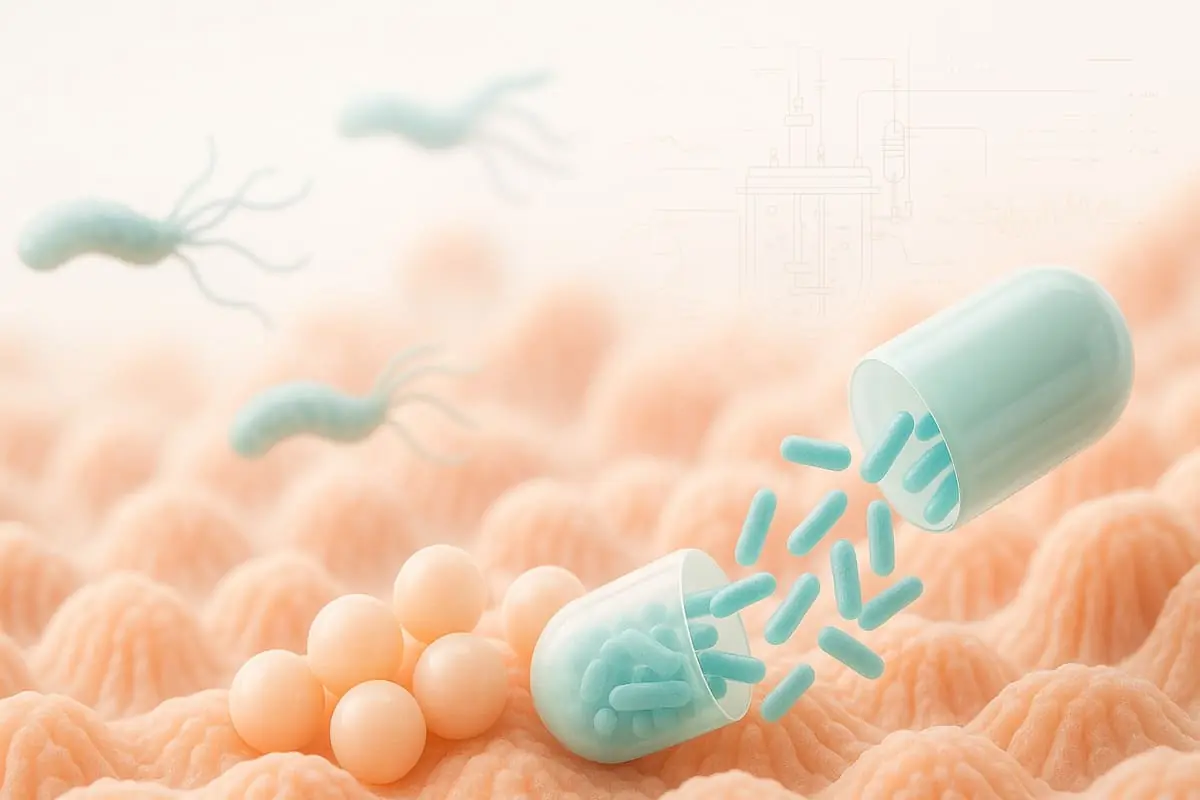
5. Structural protection systems: encapsulation and controlled release

What does it address? High sensitivity of extracts to oxygen, light and temperature. How is it implemented?
  • Microencapsulation via drying, coacervation or gelation.
  • Double encapsulation systems for highly volatile extracts.
  • Polymeric matrices with controlled release behaviour.
Sensory benefit Enhanced stability, protection against oxidation and optimised release in the final formulation.

6. Comparison of encapsulation techniques

Technique Best suited for Key advantages
Spray chilling Oils and lipophilic fragrances High stability; moisture barrier; temperature-triggered release
Spray drying with organic solvents Thermosensitive actives Low thermal stress; particle size control
Ionic gelation Water-soluble actives and plant extracts Mild conditions; good oxidative protection; controlled release
Supercritical CO? encapsulation Delicate fragrances and terpenes No organic solvents; minimal oxidation; excellent aroma preservation
Microcapsule agglomeration Fine powders and difficult-to-handle ingredients Improved handling; better redispersion; adjustable final particle size
 Funded by the aid program for hiring young professionals specialized in internationalization
 
Share this article
Picture of Daniel Rivera
Daniel Rivera

Responsable de Procesos Físico-químicos

Ingeniero químico por la universidad del País Vasco y Master en Ciencia e Ingeniería de los alimentos por la Universidad Politécnica de Valencia, toda mi actividad profesional ha estado ligada a la industria química en diferentes sectores. Desde minería y metalurgia, hasta alimentación y cosmética. Desde que formo parte de AINIA, en 2007 he trabajado en investigación aplicada en el desarrollo e implementación de procesos industriales. Inicialmente centrados en tecnologías de micro y nanoencapsulación, y mas recientemente en purificación, concentración de activos y tratamiento y reutilización de aguas. Mi motivación siempre ha sido poder ver nuevos productos reales en el mercado gracias a la ImasD.

Interested in this topic?

Leave us your details and we will contact you to answer your questions or continue the conversation.

Daniel Rivera
Responsable de Procesos Físico-químicos

Related news

Access to AINIA Network

This area is exclusive to AINIA Network members. If you are already a member, log in with your password. If not, you can request access.

Access to AINIA Network

This area is exclusive to AINIA Network members. If you are already a member, log in with your password. If not, you can request access.

This site is registered on wpml.org as a development site. Switch to a production site key to remove this banner.