Keys for the Prevention of Norovirus and Other Foodborne Pathogens in Food Establishments and the Food Industry

Picture of Inma Gonzalvo
Inma Gonzalvo

02 Aug 2022

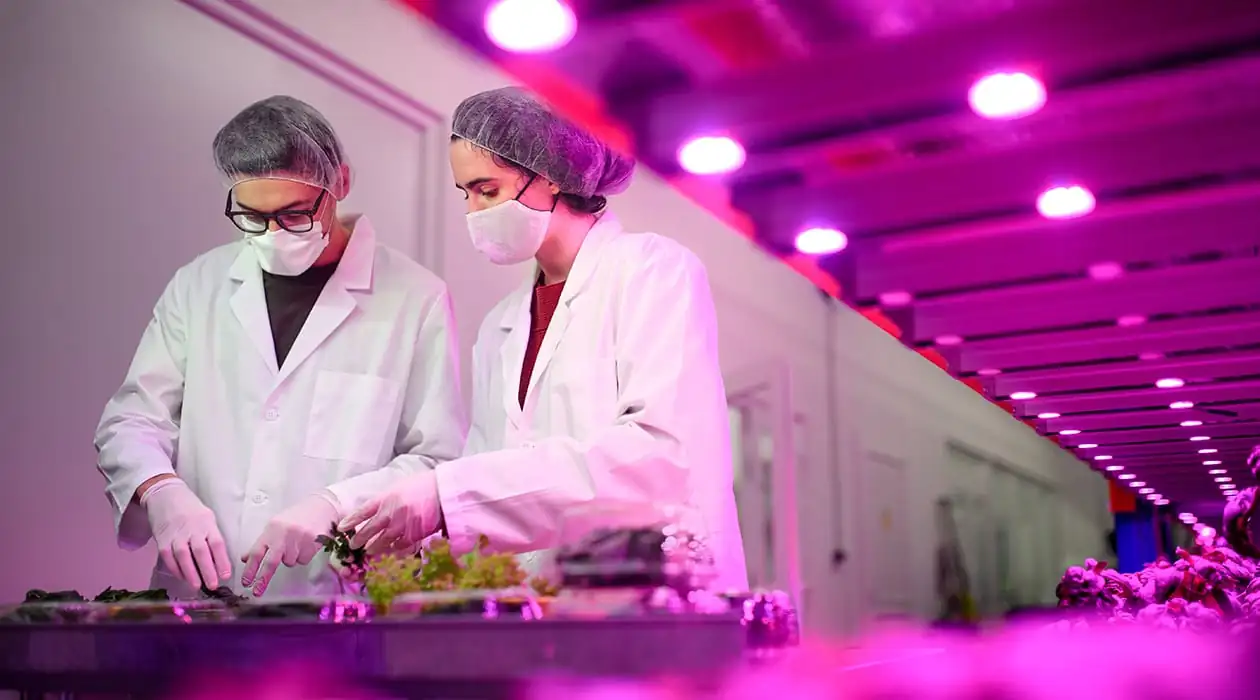
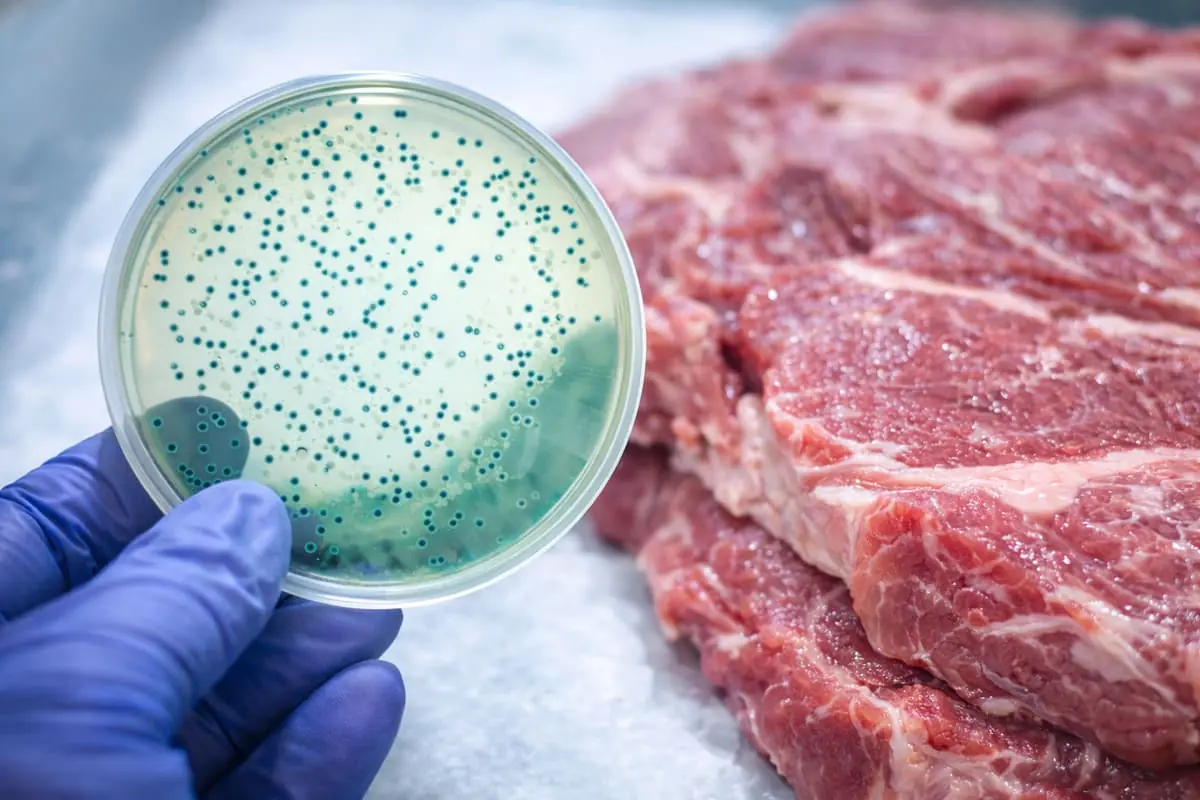
The prevalence of foodborne pathogens, such as enteric viruses, Salmonella spp., Listeria monocytogenes, and Campylobacter spp.—together with evolving lifestyles and changing consumption patterns, represents one of the main microbiological challenges in food safety. Approximately 50% of the alerts reported annually in the Rapid Alert System for Food and Feed (RASFF) are of biological origin. The greatest public health risk stems from hazards related to microbiological contamination of food, including improper handling practices. Among these hazards, noroviruses are one of the leading causes of foodborne viral gastroenteritis. Effective prevention of norovirus is essential, as these viruses spread rapidly from person to person in enclosed and crowded environments. They are a major cause of gastroenteritis outbreaks in restaurants and food service settings when food becomes contaminated. Transmission may occur not only through the ingestion of contaminated food or water, but also through contact with surfaces exposed to the virus. When infection originates from food, the products most frequently associated with norovirus outbreaks include fresh leafy greens (such as lettuce), berries (raspberries, blueberries, strawberries), live bivalve molluscs (oysters, mussels, clams), and bottled spring water exposed to faecal contamination (wastewater, fertilizers, etc.), which is the primary source of these viruses.

Prevention of Norovirus: How to Avoid Serving Contaminated Food in Food Establishments

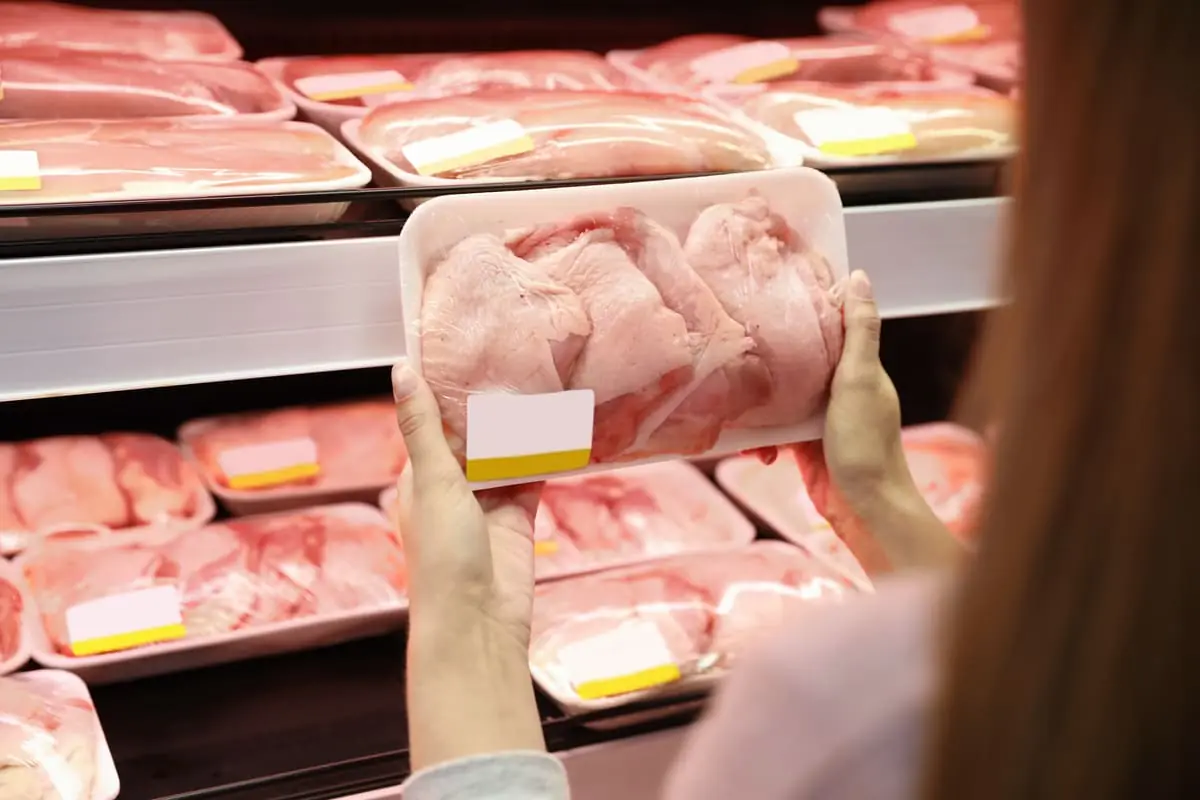
Food establishments—especially those handling raw products—must implement strict measures to reduce microbiological risks and ensure the prevention of norovirus and other pathogens. Food handling is the most common transmission route and therefore one of the leading causes of infection. For this reason, hygiene and proper handling practices are critical, both in catering establishments and in food processing facilities. Key preventive measures include:
  • Reinforcing hygiene conditions in food preparation areas.
  • Cleaning and disinfecting food contact surfaces after each use.
  • Preventing cross-contamination between raw and processed foods.
  • Thoroughly washing fruits and vegetables.
Good hygiene practices are equally essential:
  • Wash hands with soap before and after handling food and after using the toilet.
  • Use gloves or face masks when appropriate.
  • Food handlers experiencing gastrointestinal symptoms or recovering from gastroenteritis should avoid contact with food.
In bivalve mollusc production areas and agricultural settings, water quality must be strictly controlled through monitoring systems, and facilities, machinery, and tools must be properly cleaned and sanitised. These measures are fundamental to strengthening the prevention of norovirus across the entire food chain.

Early Identification as a Key Element in the Prevention of Norovirus

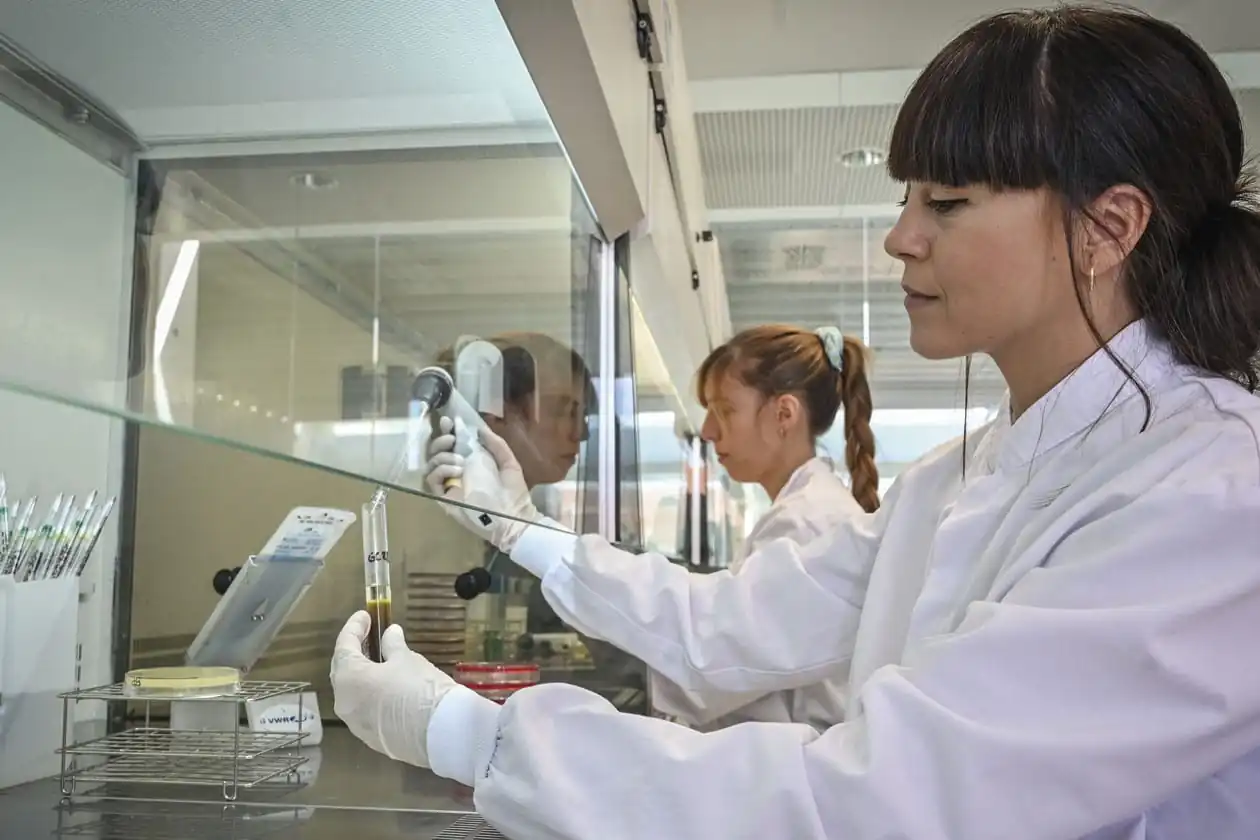
In restaurants, schools, and catering services, conventional norovirus detection methods are often unsuitable because they require longer analysis times than food distribution timelines allow. The analytical process involves:
  1. Sampling and recovery of viral particles from food or water.
  2. Extraction of viral RNA.
  3. Reverse transcription and amplification of the molecular target using fluorescent probes (Real-Time PCR).
  4. Evaluation of fluorescence results by comparison with controls and calibration curves.
AINIA is one of the few laboratories accredited by ENAC (Spanish National Accreditation Body) to perform both detection and quantification of these viruses (Norovirus Genogroup I, Norovirus Genogroup II, and Hepatitis A), applying ISO 15216 across all relevant matrices (bivalve molluscs, berries, leafy greens, and bottled water). Detection results can be delivered within 48 hours of sample reception. If a positive result is obtained, quantification of the detected target can be completed within an additional 48 hours. Rapid laboratory diagnostics therefore play a critical role in strengthening the prevention of norovirus in the food industry.
Share this article
Picture of Inma Gonzalvo
Inma Gonzalvo

Marketing y Comunicación

Desde que me incorporé a AINIA en 2010, he desarrollado mi trayectoria como técnica de comunicación en el Departamento de Marketing y Comunicación, especializada en la gestión de contenidos digitales. Mi formación en Publicidad y Relaciones Públicas por la Universidad Jaume I de Castellón, junto con más de 15 años de experiencia en comunicación digital tanto en agencia como en cliente, me ha permitido abordar proyectos de difusión de la innovación tecnológica en sectores como la alimentación, la cosmética o el packaging.

Me motiva especialmente crear y gestionar contenidos que conecten el conocimiento técnico con los distintos públicos, posicionando a AINIA como un referente en innovación y tecnología mediante estrategias eficaces en medios digitales y redes sociales.

Interested in this topic?

Leave us your details and we will contact you to answer your questions or continue the conversation.

Inma Gonzalvo
Marketing y Comunicación

Related news

Access to AINIA Network

This area is exclusive to AINIA Network members. If you are already a member, log in with your password. If not, you can request access.

Access to AINIA Network

This area is exclusive to AINIA Network members. If you are already a member, log in with your password. If not, you can request access.

This site is registered on wpml.org as a development site. Switch to a production site key to remove this banner.