1. Raw material selection
Botanical origin, freshness and storage conditions largely determine an extracts aroma intensity and colour. Raw materials harvested at optimal maturity and properly preserved retain higher levels of essential oils, phenolic compounds and natural pigments. By contrast, inadequate dehydration, high temperatures or prolonged storage accelerate oxidation and reduce the sensory potential of the biomass.Raw materials that add sensory value
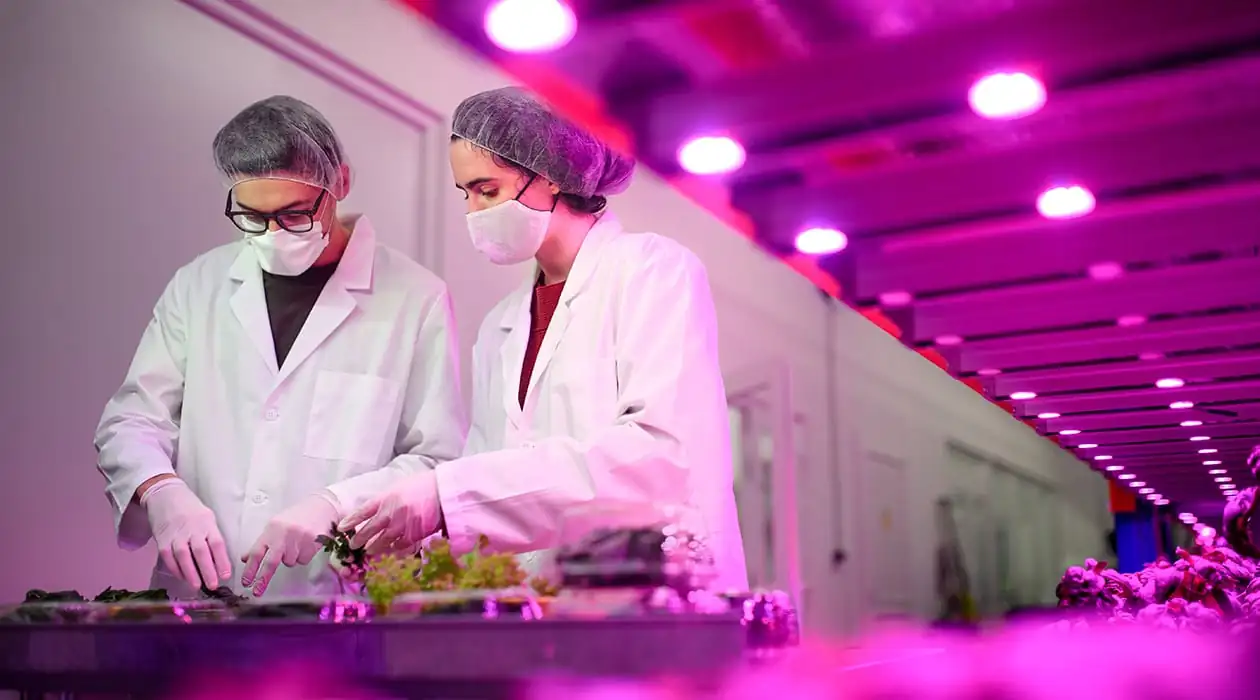
- Product harvested at its optimal ripeness, when essential oils, phenolic compounds and pigments are at their highest concentration.
- Fresh biomass or biomass dried under controlled conditions, using moderate temperatures and optimised times.
- By-products such as peels, seeds or oilseed press cakes from standardised processes, rapidly cooled and stored to limit lipid oxidation and aroma loss.
- Raw materials stored under protected conditions, with humidity control, low light exposure and minimal oxygen presence.
Raw materials that compromise aroma and colour
- Waste streams or rejects with long waiting times in the plant, exposed to ambient temperature, sunlight or uncontrolled atmospheres.
- Aggressively dried raw materials.
- Poorly stored fatty by-products showing signs of rancidity, off-odours or colour changes indicating lipid oxidation.
2. Gentle processing: respectful extraction
The choice of extraction method is decisive. Technologies that combine mild conditions, short processing times and the absence of organic solvents reduce volatile degradation and pigment alteration. These processes preserve the chemical structure of sensitive compounds and deliver purer fractions, with sensory profiles closer to the original raw material. They are particularly suitable for matrices with high aromatic or pigment content, supporting the organoleptic quality of food formulations.3. Protection and sensory stability
Once the extract has been obtained, the main risk to quality typically appears when it is exposed to oxygen, light, humidity or temperature. At this stage, volatile compounds may be lost and natural pigments tend to oxidise, leading to deviations in aroma intensity, freshness, colour stability and batch-to-batch uniformity. To prevent this, it is essential to apply stabilisation strategies that create an effective barrier against these factors and maintain sensory reproducibility under industrial conditions. In this context, microencapsulation becomes one of the most effective solutions. It protects sensitive compounds and improves their stability, facilitates incorporation into food matrices and, when needed, can modulate release to reinforce sensory consistencyhelping safeguard the organoleptic quality of food products over time.4. Sensory monitoring
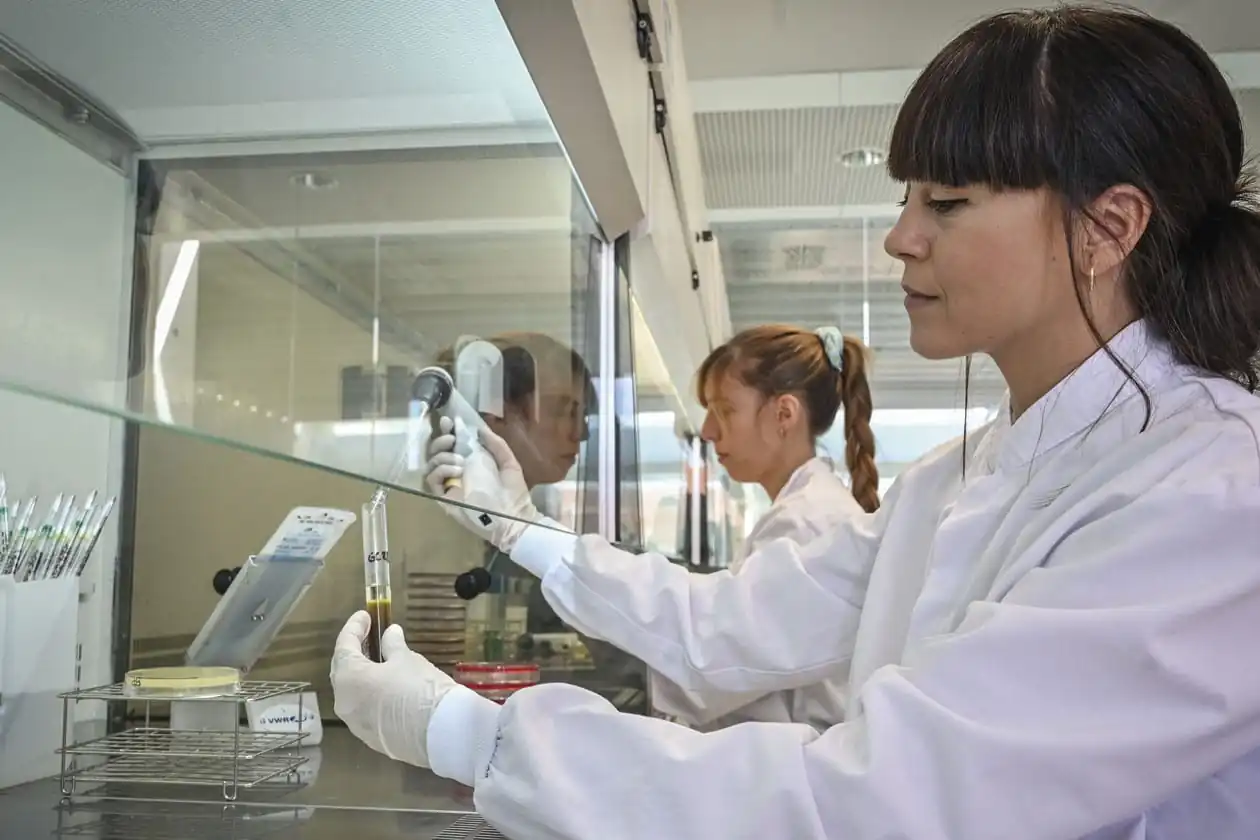
Assessing final quality requires combining analytical parameters (volatile composition, colourimetry, oxidation indices) with evaluation by trained sensory panels. This integrated approach makes it possible to correlate chemical changes with real organoleptic impact, identify batch deviations and adjust processing conditions to ensure consistency. Continuous monitoring is a key asset to ensure the extract maintains its aroma and colour profile over time, supporting the long-term organoleptic quality of food applications. Funded by the aid program for hiring young professionals specialized in internationalization