1. Plant proteins and functional extracts: the sophistication of organic ingredients
One of the most visible drivers has been the evolution of plant proteins. Ingredients derived from fava bean, sunflower or pumpkin, as well as optimised blends designed to complement amino acid profiles, reflect a market seeking comprehensive solutions: technological functionality, sensory quality and nutritional coherence. At the same time, meat analogues and ready-to-eat products continue to gain presence, increasing the demand for texture, stability and organoleptic experience. Natural extracts with functional positioning are also gaining relevance: polyphenol concentrates, natural aromatic fractions or botanical ingredients with applications in food and cosmetics. Demand is no longer limited to what is natural; it requires purity, reproducibility and traceability. In this context, technologies such as supercritical CO? extraction make it possible to obtain highly selective extracts, preserve thermolabile compounds and minimise the use of conventional solvents. In addition, they enable applications such as defatting plant matrices to increase protein content or improve the sensory profile of ingredients.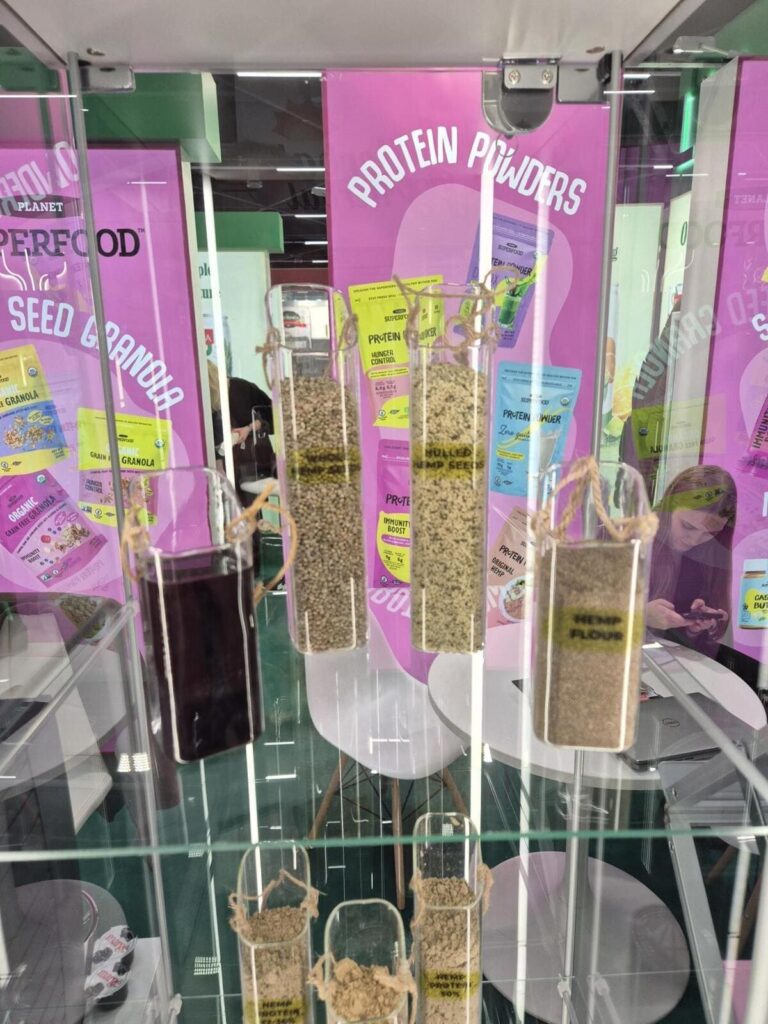
2. Sensory reformulation and wellbeing: sustainability that can be perceived
BIOFACH confirms that sustainability must be accompanied by experience. Plant-based colourants applied to formats such as gummies, functional beverages oriented towards wellbeing (well-being in a bottle), healthy snacks and reduced-sugar products show that organic consumers seek a balance between health, pleasure and convenience. In the cosmetic sector, the presence of vegetable oils (rosehip, citrus), vanilla or cardamom extracts, polyphenolic fractions and algae extracts highlights the convergence between food, bioactive ingredients and holistic wellbeing. All this requires strong technical support: quality control, purity validation, stability studies and regulatory compliance. The credibility of the organic sector increasingly relies on robust analytical data.3. Hybrid innovation and circular economy: tradition with advanced tools
The innovation area highlighted the integration of traditional practices with advanced technologies. From new agricultural approaches supported by data to processes such as precision fermentation, the message is clear: tradition and technology are not mutually exclusive. Upcycling and the valorisation of by-products are consolidating as strategic lines. Transforming secondary streams into high-value ingredients not only reduces environmental impact but also creates new formulation opportunities. Here, clean and selective processes play a key role in ensuring efficiency, sensory coherence and industrial viability.Conclusions: Key insights for the industry
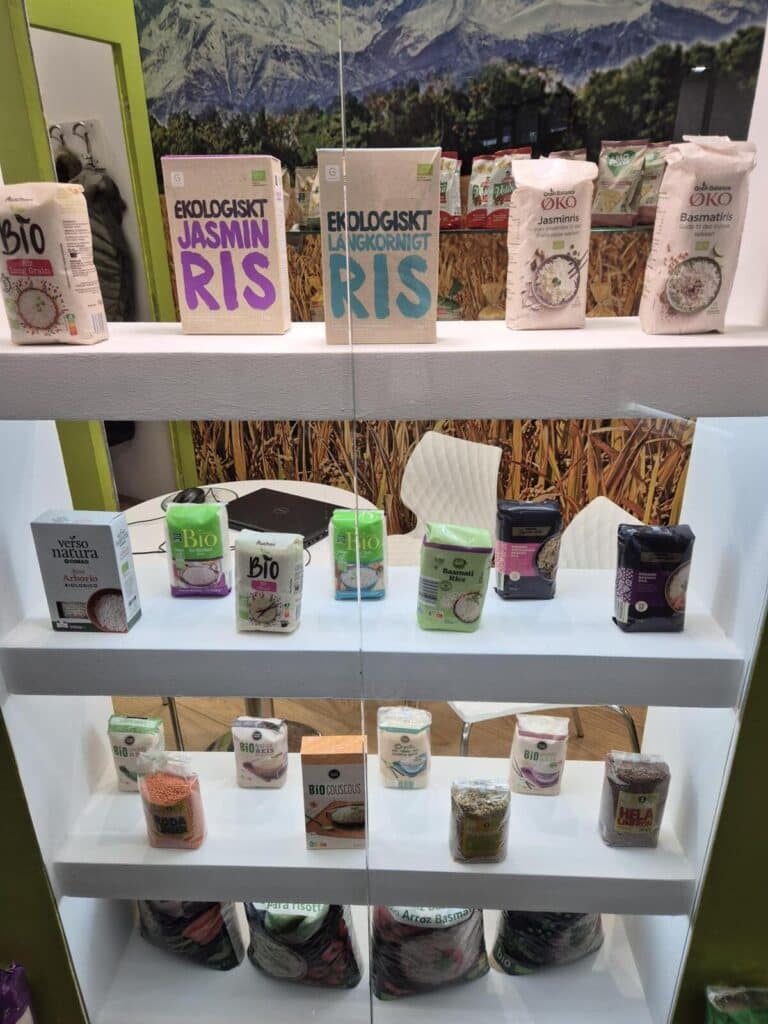
BIOFACH 2026 leaves several strategic conclusions:- Organic ingredients are evolving towards greater technical and functional complexity.
- Processing technologies are becoming part of the sustainability narrative.
- Differentiation relies on purity, selectivity and analytical validation.
- Circularity and healthy reformulation are already structural requirements.