In this context, the mammalian body has three well-defined systems:
- The physico-chemical barriers as the first line of defence, such as the skin, mucous membranes, and others;
- The innate immune system as the second line, involving inflammation, which includes the action of various cells that the body produces for this purpose, such as macrophages and cytokines, among others;
- The acquired immune system as the final line, with two fundamental mechanisms: humoral immunity, where B lymphocytes play a predominant role, and cellular immune response, where T lymphocytes are the key cells.
What are immunomodulatory compounds?
Immunomodulators are compounds that have the ability to either increase or reduce the immune response. From a therapeutic perspective, immunomodulation is used as an adjunct therapy in neoplastic, allergic, and immunodeficiency diseases. In infectious diseases, given the growing resistance to antibiotics and chemotherapeutic agents, the beneficial impact that modulating the immune response can have on disease resolution is particularly highlighted. For preventive or therapeutic purposes, the immune system can be modulated specifically through desensitising immunotherapy, or non-specifically through immunomodulation to stimulate or strengthen the immune system.
Immunomodulatory compounds: fatty acids, amino acids, vitamins, minerals, and microorganisms
Among the known immunomodulatory compounds are, among others:
- Fatty acids, such as PUFAs (polyunsaturated fatty acids) omega n-3 and omega n-6;
- Amino acids, such as arginine and glutamine;
- Vitamins, such as vitamin A, vitamin C, and vitamin E, B vitamins (thiamine and folate), and vitamin B6;
- Minerals, such as zinc, iron, and selenium;
- Probiotic microorganisms and substances derived from their metabolism (postbiotics), prebiotics; carotenoids and polyphenols.
Acceleration of the integration of compounds that stimulate the immune system into the market
The development of functional foods or nutritional supplements is an important and practical approach to regulating immune functionality. Research on improving human immunity through the consumption of food products has increased globally due to the pandemic caused by the SARS-CoV-2 respiratory virus. As media reports have highlighted, the COVID-19 pandemic has accelerated the integration of bioactives, supplements, and food nutraceuticals that stimulate the immune system into the market. Therefore, given consumer demand, it is essential to have the necessary technologies both to prove the effectiveness of these products and to identify new bioactives.Advances in cell culture techniques to evaluate the effects of different compounds on health.
To evaluate the effects of various substances on health, as well as to study the mechanisms of disease action, animal models have been the primary tools in scientific and regulatory research for many years. However, growing concern that animal studies do not always predict human responses, along with public concerns about the use of animals for research purposes, has led to the search for alternatives. The aim of these efforts is to reduce, refine, and/or replace these animal models (the 3Rs).
Thus, among others, in vitro studies can be an alternative to animal studies, particularly given the recent advances in cell culture techniques, such as the use of co-culture systems, 3D cultures, or organoids.Experimental system to assess the effect of different compounds on the immune system of the respiratory tract
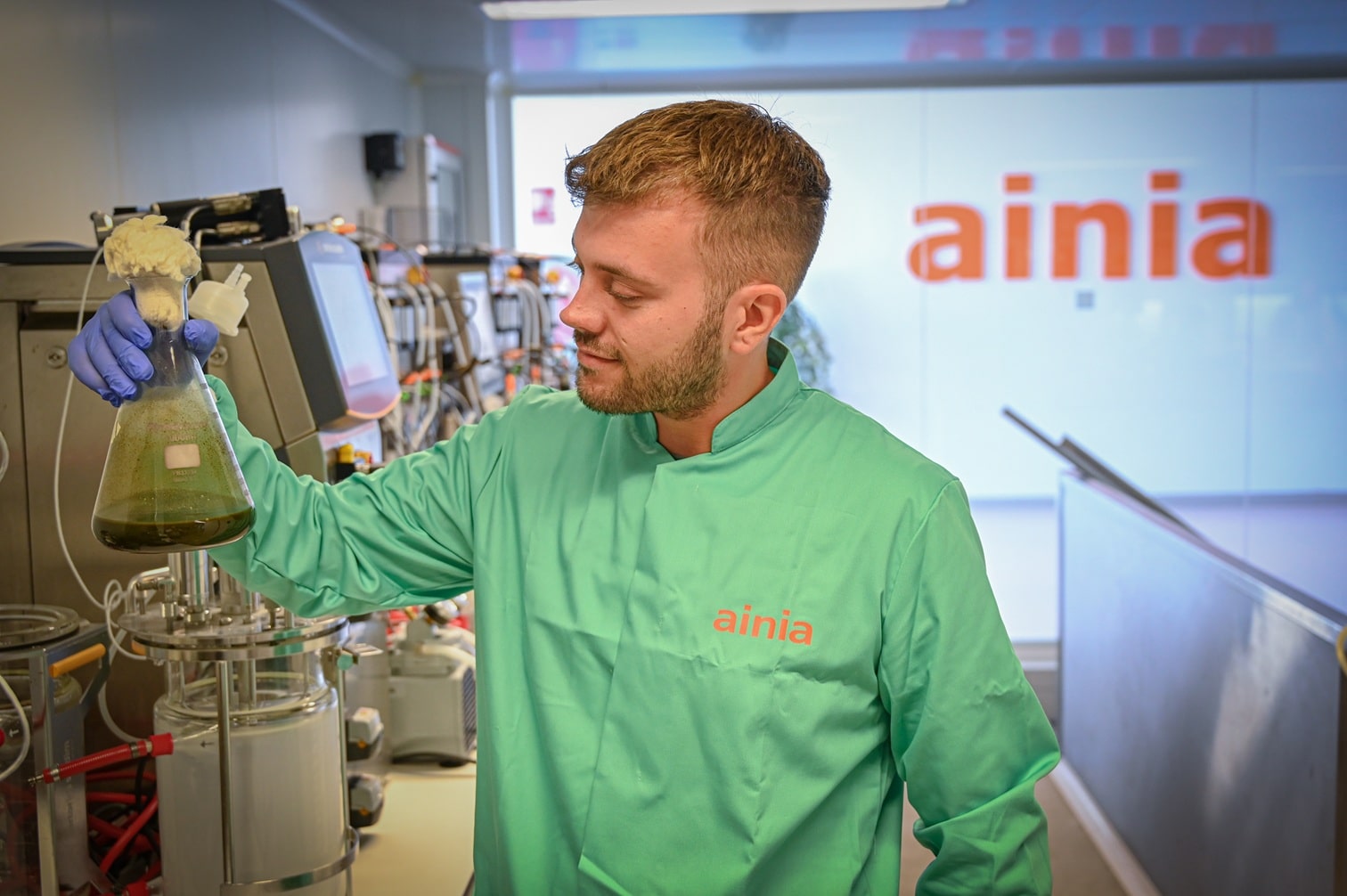
In this regard, at AINIA, we have developed an experimental system that allows us to evaluate the effect of different compounds (ingredients, finished products, and drugs) and of various types (vitamins, minerals, probiotics, polyphenols…) on the immune system of the respiratory tract. We use an integrated system made up of devices that replicate the entire gastrointestinal tract (stomach, small intestine, and large intestine) to assess bioaccessibility and interaction with the gut microbiota, as well as a cellular model that mimics the pulmonary immune system and the cytokine storm caused by SARS-CoV-2 infection, enabling us to monitor the immunomodulatory or antiviral effect.