Resveratrol: what it is and what it is used for
Resveratrol is a stilbene naturally present in the vine, particularly in grape skin. In topical cosmetics it is used to:- Neutralise free radicals.
- Protect the skin from oxidative damage.
- Reduce inflammation.
- Improve skin firmness and elasticity.
- Prevent premature ageing.
Resveratrol benefits: scientific evidence
Numerous studies support the benefits of resveratrol in dermatological applications. Among the most notable:- High-value antioxidant: reduces the impact of oxidative stress derived from UV radiation and pollution.
- Soothing effect: may help reduce inflammation markers, useful for skin exposed to external aggressors.
- Photoageing and luminosity: when integrated into routines with vitamin C, niacinamide and other polyphenols, it helps improve tone uniformity and the appearance of fine lines.
- Formula synergies: works well with complementary antioxidants and with encapsulation systems that improve its stability.
Extraction and standardisation of resveratrol
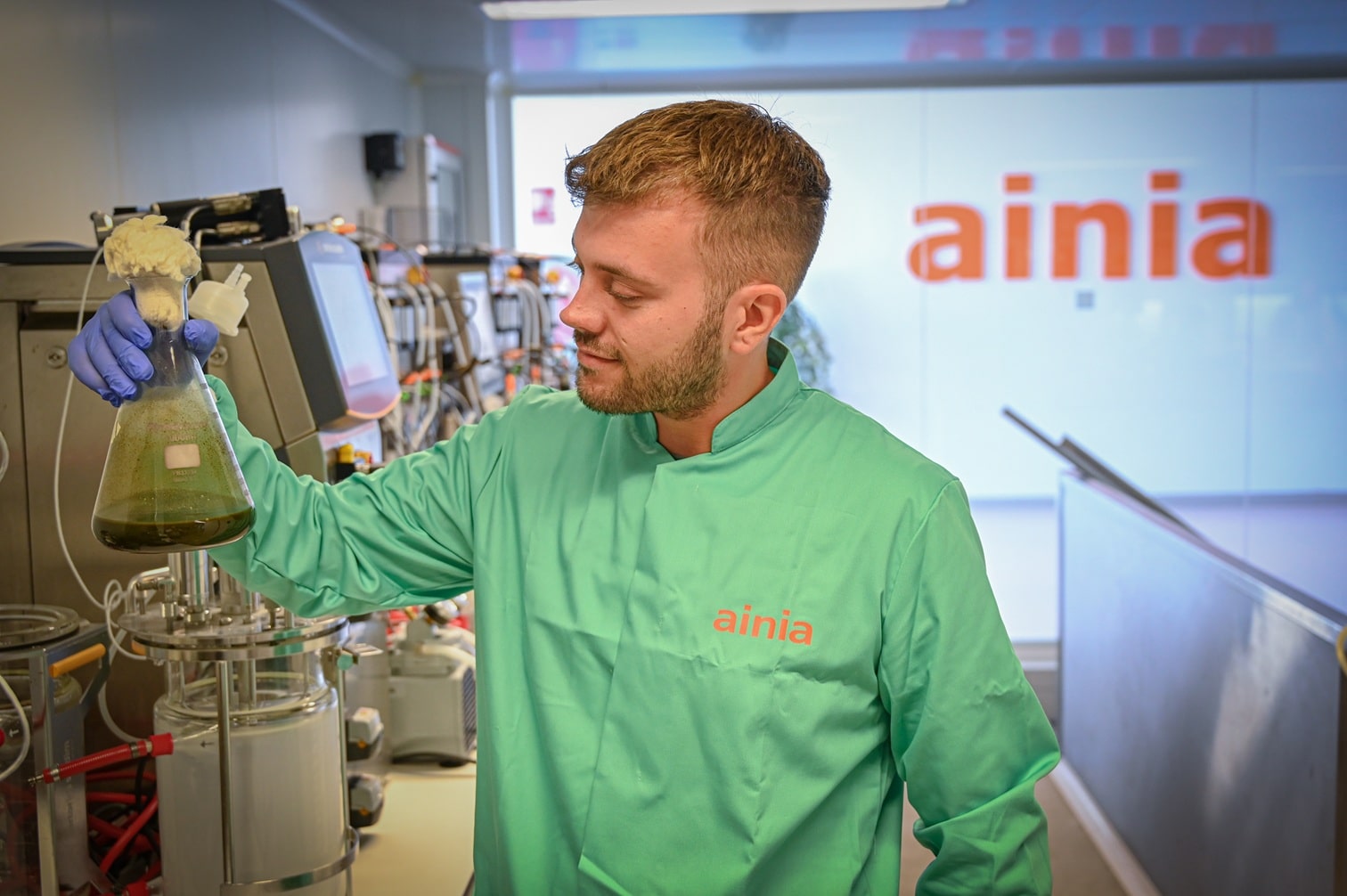
Currently, the development of bioactive ingredients for cosmetics relies on advanced technologies that ensure quality, traceability and sustainability. Thanks to applied research and collaboration between science and industry, it is possible to obtain compounds such as resveratrol efficiently, safely and in an environmentally friendly way, ensuring their functionality in innovative cosmetic formulations. To guarantee consistent results, it is essential to consider:Extraction pathways
| Type | Description | Critical aspects |
|---|---|---|
| Plant extracts | Grape (skin/seed/stem) or Polygonum | Control of solvents, pesticides and impurities |
| Biotechnological routes | Fermentation or biocatalysis | High purity and lower seasonal variability |
| Clean processes | Selective extraction (e.g. supercritical CO?) and gentle purification | Preservation of thermolabile compounds |
Standardisation and control
- Markers and purity: specifications of total resveratrol, isomers (trans-/cis-) and profile of accompanying polyphenols.
- Traceability: botanical origin, certifications, extraction method and in vitro assays supporting the declared functionality.
- Compatibility: stability tests in the cosmetic base (pH, solvent, emulsion) and preservative challenge test.
Resveratrol in grapes: upcycling
One of the most well-known sources of resveratrol is grapes, especially their skins and seeds. Through the upcycling approach, these by-products of the wine industry are transformed into high-value cosmetic ingredients.- Reduces agri-food waste.
- Promotes the circular economy.
- Harnesses bioactive compounds that would otherwise be lost.

Conclusion
Resveratrol represents a perfect fusion of science, nature and sustainability. Its multiple benefits for the skin, supported by scientific evidence, make it a key active ingredient in modern cosmetics. In addition, its extraction from by-products such as grapes through upcycling processes reinforces its ecological and ethical value. Choosing ingredients such as resveratrol means moving towards cosmetics that are more effective, responsible and aligned with the expectations of todays consumers. Funded by the aid program for hiring young professionals specialized in internationalization