1. What Clean Beauty 2.0 means and why it is changing the market
According to analyses by Mintel and Euromonitor, more than 60% of cosmetics buyers in Europe and the United States say they prioritise natural or responsible products, and this trend is becoming stronger among younger consumers. In terms of expectations, this translates into three recurring demands:
- Origin transparency: where the ingredient comes from and which part of the ingredient delivers value.
- Process traceability: how it has been obtained and which controls ensure consistency.
- Real, measurable benefit: what it does on skin and how it is demonstrated (metrics, testing, reproducibility).
For these reasons, the valorisation of plant by-products and the incorporation of advanced evaluation methodologies have become two key levers for natural cosmetics to move towards this new generation of standards.
2. New efficacy standards in natural cosmetics
Natural cosmetics are undergoing a profound shift in how ingredient efficacy is demonstrated. Previously, validation of plant-based actives relied on traditional descriptions.
The current focus is shifting towards demonstrating functional activities that address specific skin needs. Among the most in-demand by brands and consumers are:
- Antioxidant activity: neutralisation of free radicals, protection against oxidative stress.
- Hydrating activity: barrier reinforcement, reduction of transepidermal water loss.
- Soothing and anti-inflammatory activity: reduction of irritative markers, cytokine control.
- Regenerating activity: stimulation of collagen, elastin, or cell renewal markers.
3. Alternative evaluation methods to animal testing
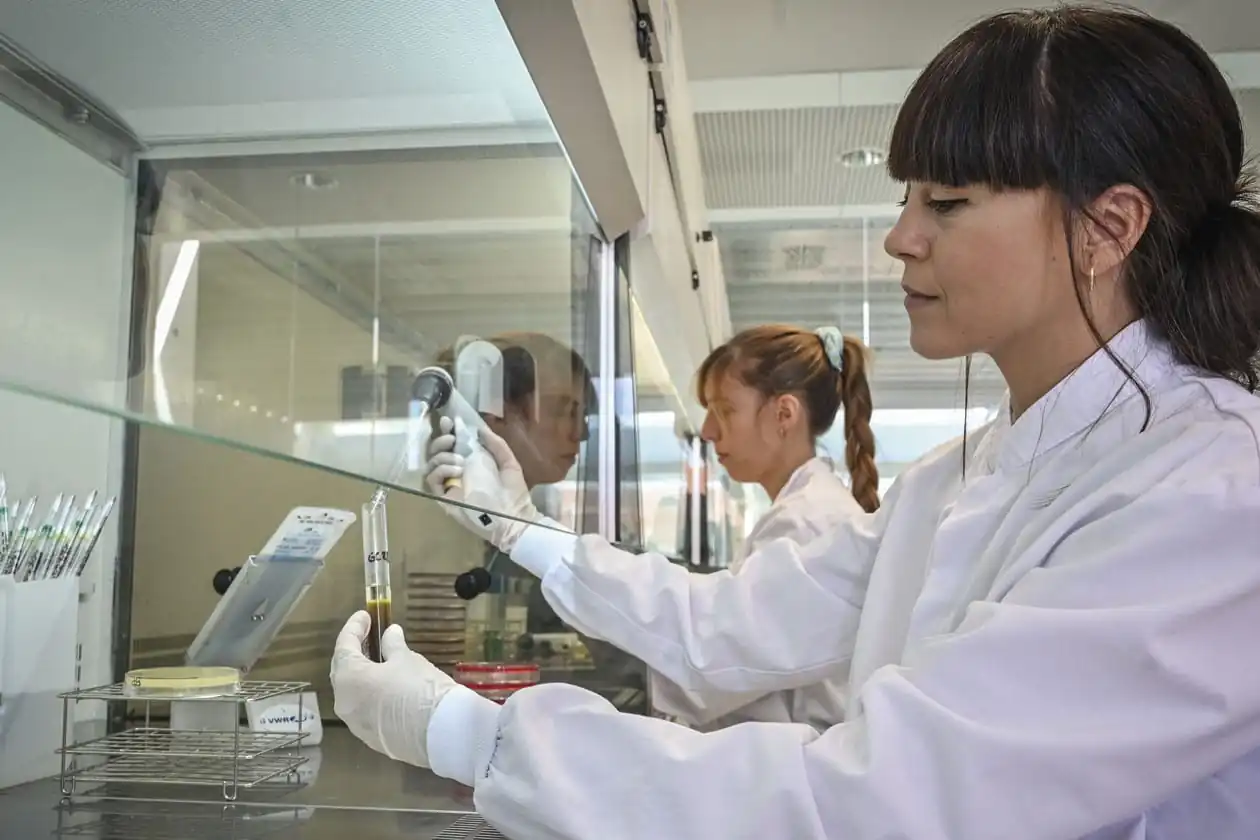
To demonstrate these activities, ethical and alternative methods are used to study biofunctionality without resorting to animal testing. Among them stand out:
- In vitro cell cultures, which allow evaluation of molecular pathways, oxidative stress or inflammation;
- 3D reconstructed skin models, which reproduce the structure and functionality of the human epidermis;
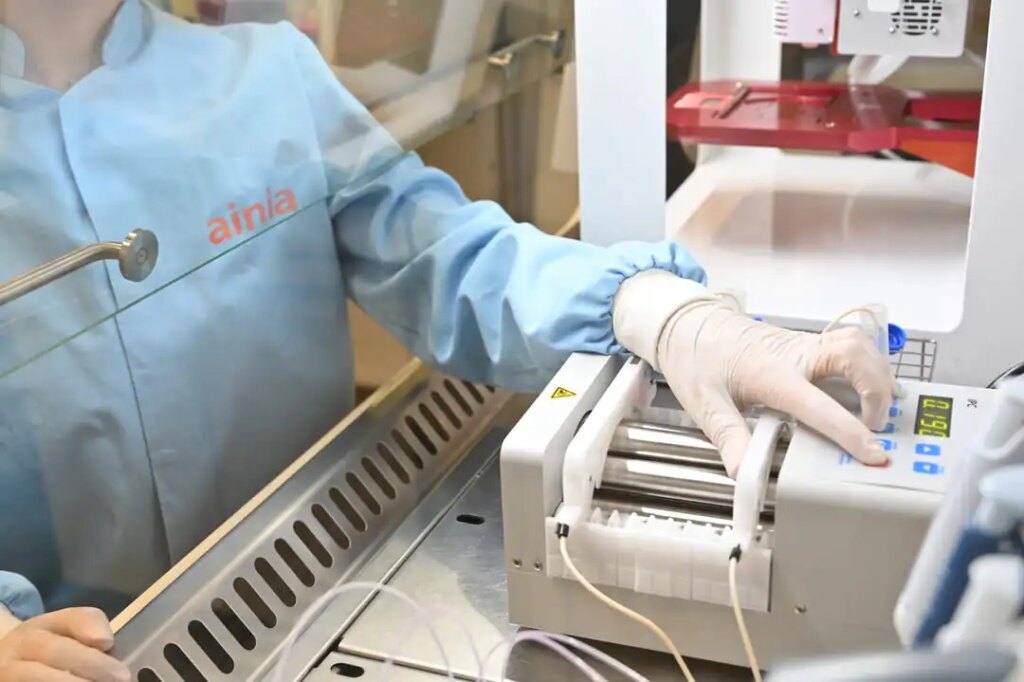
- 3D bioprinting, which enables the study of complex skin microenvironments and interactions with actives;
- Skin barrier tests, TEWL, colorimetry and ageing biomarkers.
These models increase scientific accuracy and respond to regulatory and ethical expectations in the sector, which strengthens ingredient credibility in a more demanding market context.
4. Process sustainability as part of efficacy
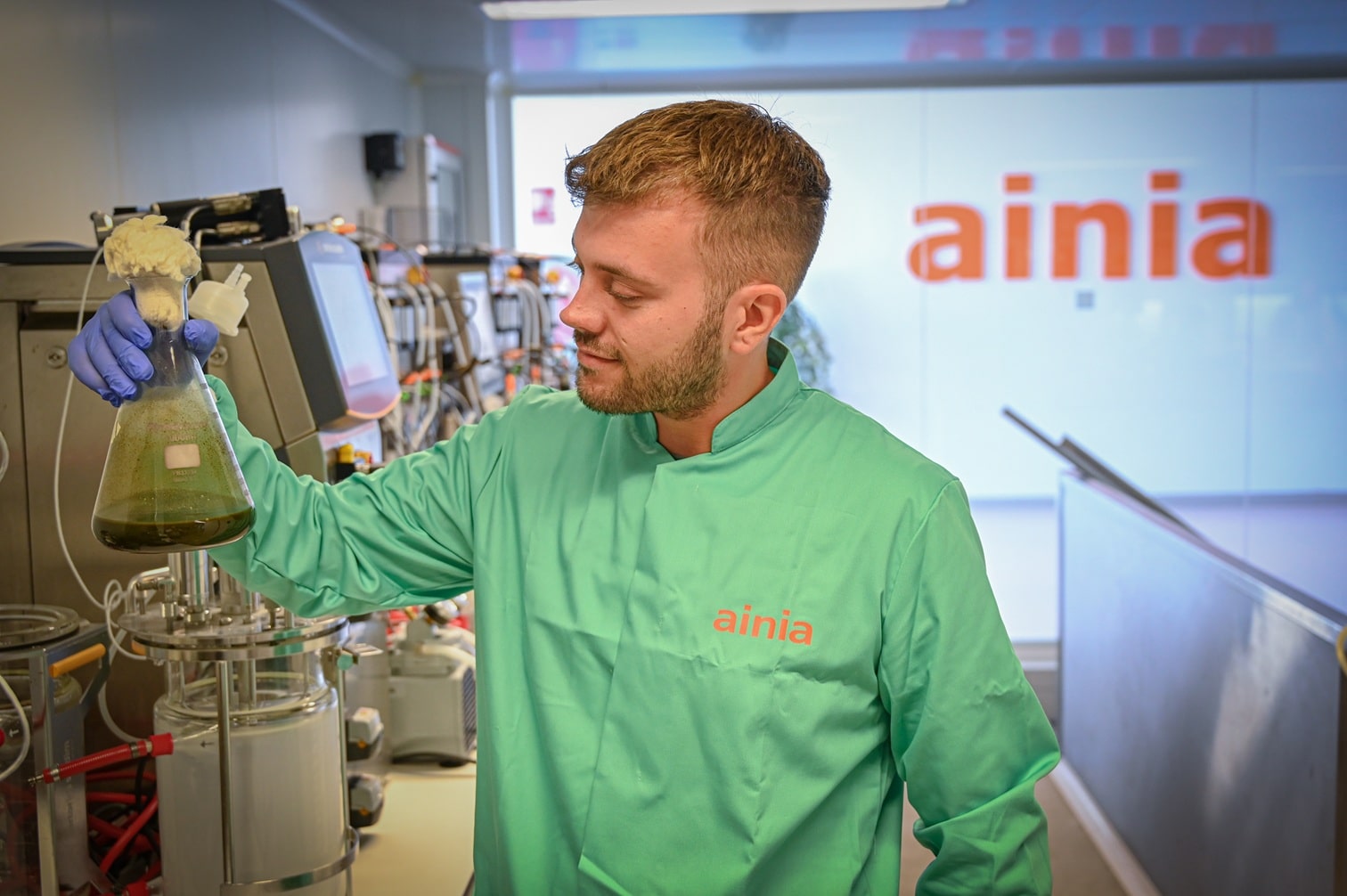
In todays context, efficacy is not evaluated only by skin results, but also by the coherence of the ingredients life cycle. For this reason, solvent-free, low-temperature, or reduced environmental-impact production methodologies are being integrated as part of the effectiveness standard:
- Clean processes, which minimise the degradation of sensitive compounds;
- Safe processes, free of chemical residues;
- Responsible processes, which reduce emissions, energy consumption and waste generation.
This holistic view aligns with consumer demand: they want not only products that work, but also processes that respect resources and the integrity of the ingredient.
 Funded by the aid program for hiring young professionals specialized in internationalization