Differences Between Encapsulation and Microencapsulation
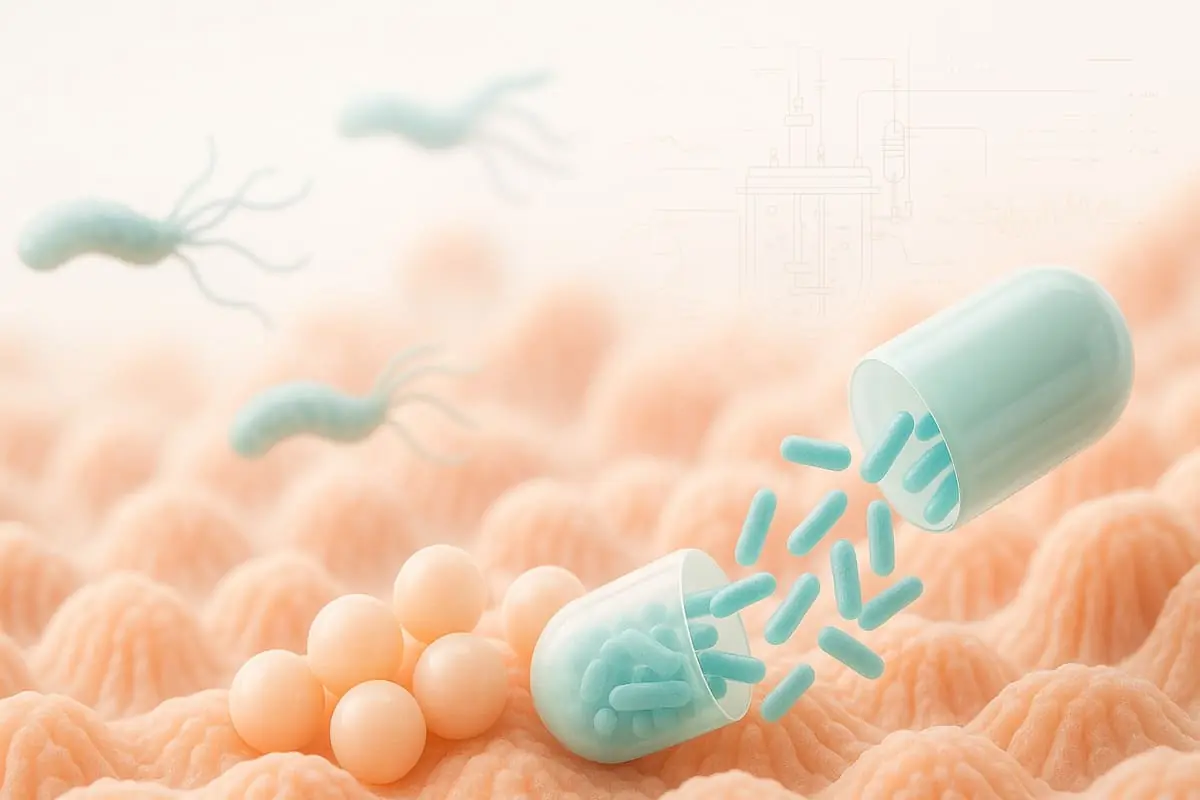
Both techniques involve surrounding an active substance (liquid, solid, or gas) with a matrix or coating that protects it from the external environment. However, the main difference lies in the scale and the degree of control.- Encapsulation refers to a more general process, in which the active ingredient is surrounded by a physical barrier. This can result in macro-, micro-, or even nanoscale particles, depending on the method used.
- Microencapsulation, as its name indicates, refers specifically to encapsulation at the micrometric scale, with particles typically ranging from 1 to 1000 microns in diameter. This enables more controlled release and a larger surface of interaction. Microencapsulation generally involves a higher degree of technological sophistication, as it allows the modulation of active release, enhanced bioavailability, or masking of unwanted flavours and odours.
Definition for Encapsulation: What Is Encapsulation Used For?
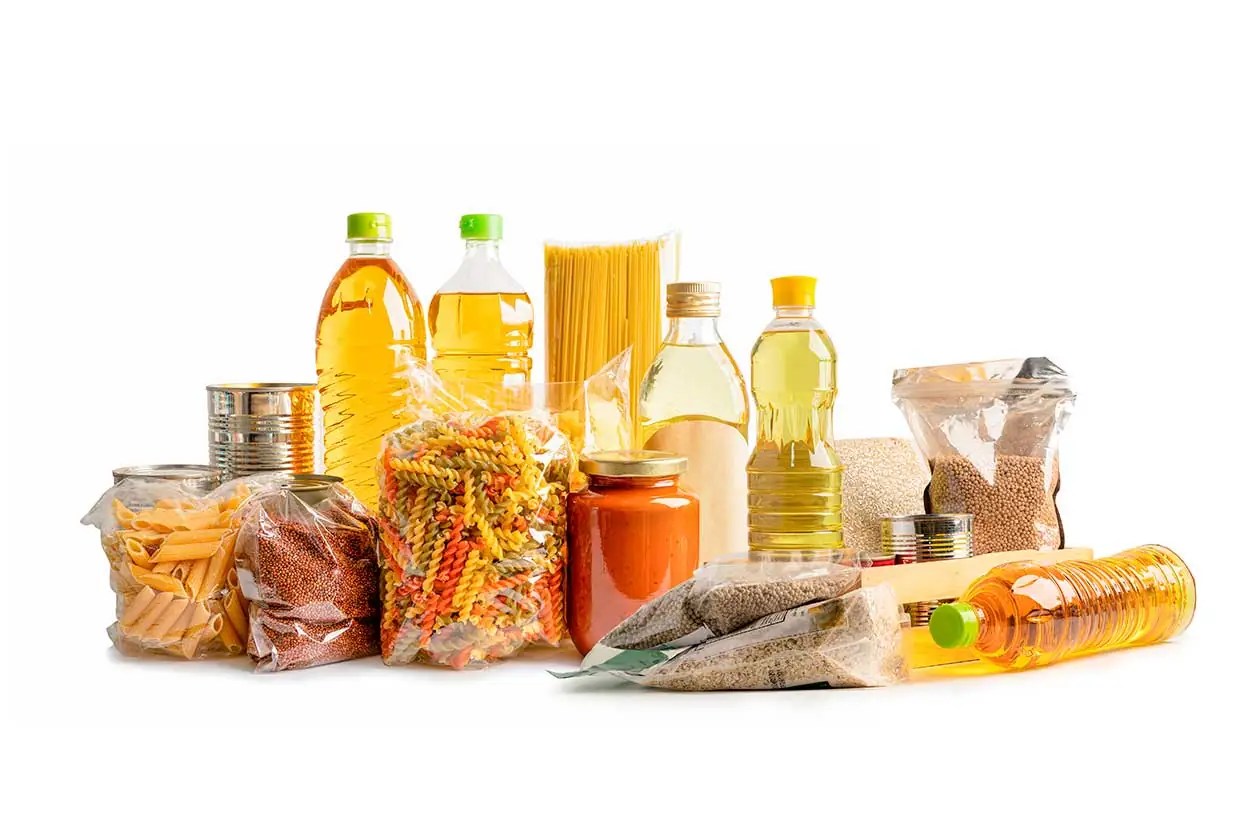
Encapsulation can be defined as the process by which one or several substances are coated with a material that acts as a protective barrier. This barrier may be composed of natural or synthetic polymers, lipids, proteins, or other biocompatible materials. Common applications include:- Food industry: protection of vitamins, antioxidants, or flavours during processing and storage.
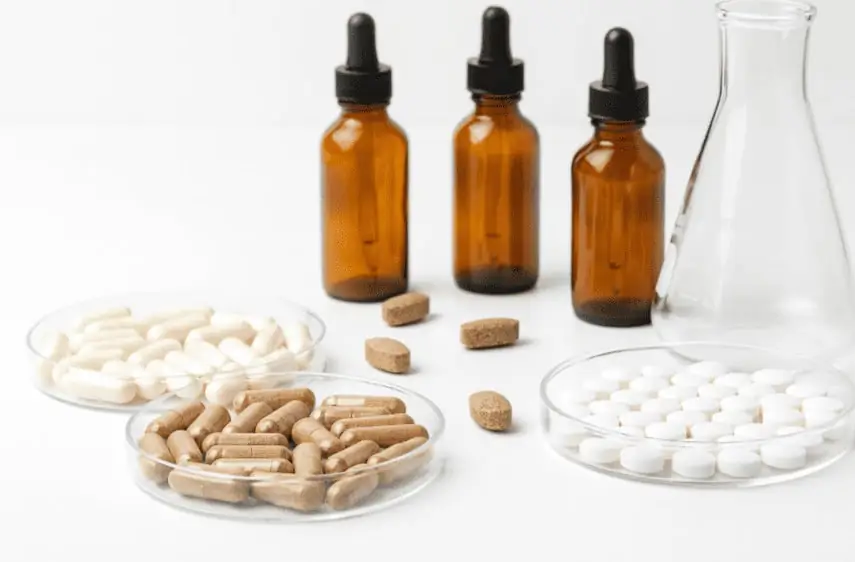
- Pharmaceutical industry: improved stability and bioavailability of sensitive active compounds.
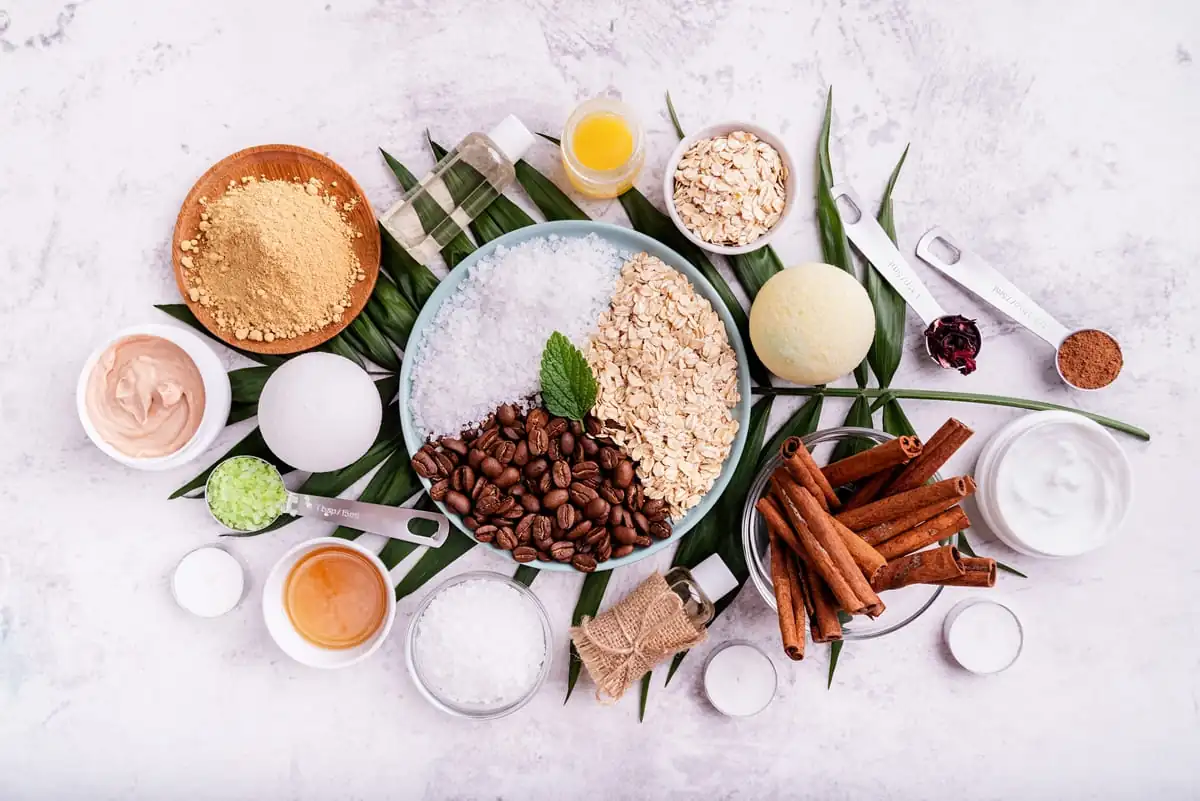
- Cosmetics: protection of ingredients such as essential oils or retinoids against oxidation.
What Is Microencapsulation Used For?
Microencapsulation has become an essential tool in the development of innovative and functional products. Its ability to protect sensitive ingredients and control their release makes it especially valuable in demanding environments where precision is critical. The main objectives of microencapsulation are:- Protecting sensitive substances against oxidation, light, humidity, or heat, such as vitamins, probiotics, enzymes, or essential oils.
- Controlling the release of the active ingredient, whether in a sustained manner over time, by specific stimuli (pH, temperature, enzymes, etc.), or at a targeted site of action (such as the intestine in functional foods or medicines).
- Masking undesirable tastes, odours, or colours, improving product sensory acceptance.
- Enhancing bioavailability by facilitating the absorption of compounds with poor water solubility or low stability in the digestive tract.
- Facilitating the industrial handling and processing of liquid or volatile substances by transforming them into powders, allowing for more precise dosing and greater storage stability.
Microencapsulation: Common Applications
- Food industry: Protecting and releasing flavours, essential oils, probiotics, vitamins, or minerals at the desired moment of consumption or digestion. It also reduces the need for additives or improves the functionality of natural ingredients.
- Cosmetics: Encapsulation of ingredients such as retinol, vitamin C, peptides, or UV filters, enhancing their stability and effectiveness on the skin.
- Pharmaceuticals: Achieving sustained or targeted release of active ingredients, improving treatment efficacy and reducing side effects. It is also key in the development of safer, more efficient oral formulations.
- Agriculture: Development of controlled-release fertilisers and pesticides, reducing environmental impact while increasing efficiency.
Principles of Microencapsulation: Which Techniques Are Used?
Microencapsulation processes are based on techniques such as coacervation, spray drying, extrusion, or ionic gelation, among others. Each enables the production of microcapsules with different characteristics in terms of size, morphology, permeability, or response to stimuli. The common principle across all techniques is the creation of a barrier that physically isolates the active ingredient from the external environment, providing effective protection and controlled release. This barrier can be designed to break down or degrade in response to stimuli such as pH, temperature, or enzymatic activity.Microencapsulation in Cosmetics: The Revolution of Cosmetic Ingredients
In cosmetics, microencapsulation is becoming the go-to technique for companies seeking excellence and high performance in their products. Did you know that some brands have launched anti-ageing products using this technology to release retinol gradually? This not only reduces the risk of irritation but also provides users with long-lasting benefits. Ingredients such as retinol, vitamin C, peptides, or essential oils all highly sensitive to oxidation or light can be encapsulated to enhance their stability, efficacy, and skin tolerance. Another common application can be found in hygiene products, such as shampoos, where microcapsules release essential oils to keep hair hydrated for longer. The growing demand for more effective, personalised, and sustainable products is accelerating the adoption of microencapsulation and nanoencapsulation. Consumers increasingly value solutions that deliver visible, long-lasting results, and these techniques meet those expectations with precision. Furthermore, their application supports the use of natural ingredients by improving stability and functionality, reducing the need for artificial preservatives, and contributing to the development of cleaner, more environmentally friendly products. Funded by the aid program for hiring young professionals specialized in internationalization