1. Cell linederived metabolites
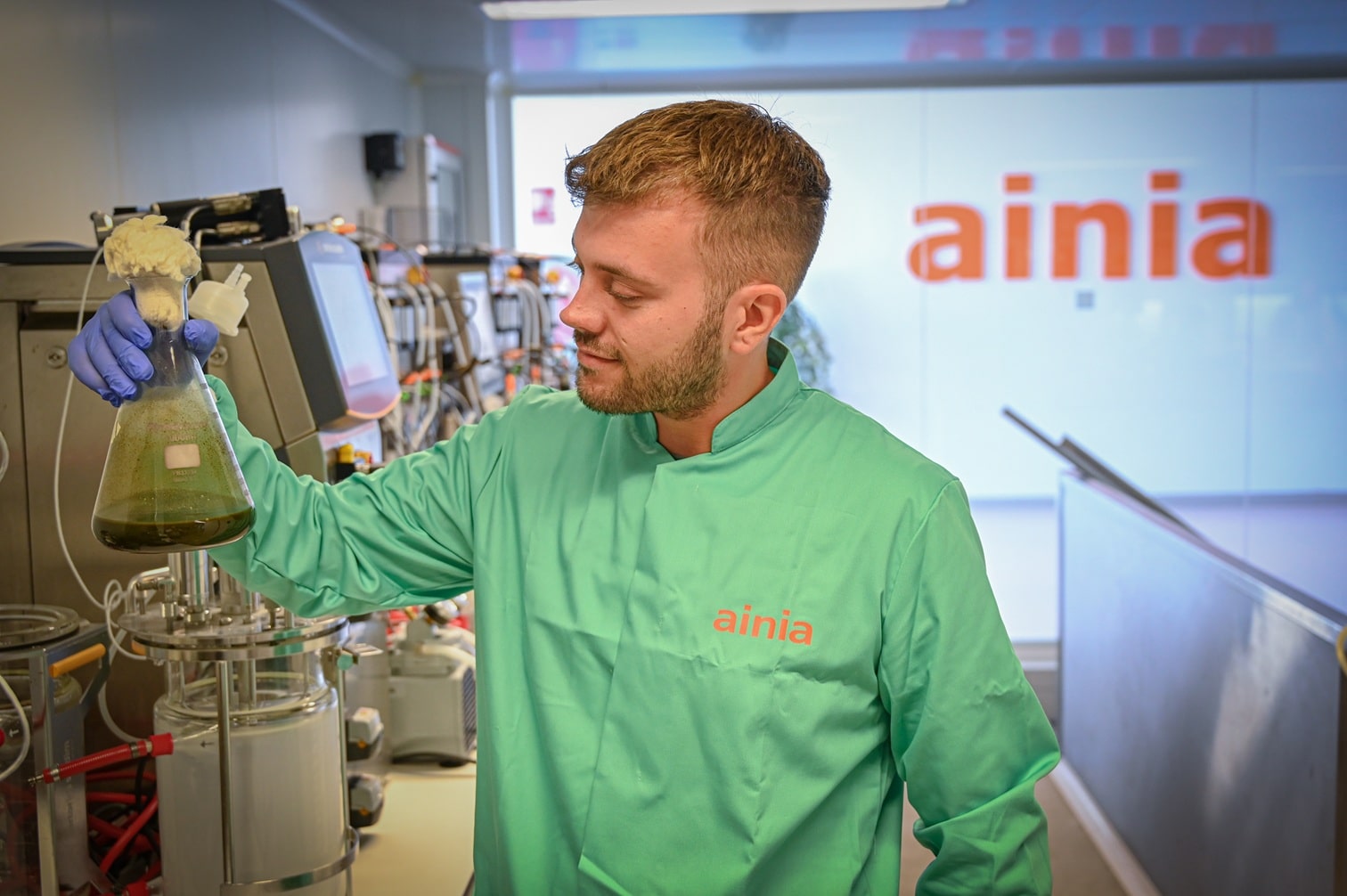
Producing bioactive metabolites from cell lines is becoming one of the most disruptive innovation pathways in advanced cosmetics. This approach is increasingly combined with technologies such as advanced fermentation, genetic engineering and peptide synthesis, making it possible to manufacture ingredients that are identical (or functionally equivalent) to natural oneswhile keeping tighter control over quality and performance.Benefits
- High purity, greater efficiency and lower environmental impact.
- Reduced dependency on agricultural and seasonal factors.
- Ingredients with defined, reproducible biochemical profiles.
- Industrial reproducibility and traceability of the active ingredient.
2. Microbiome-based cosmetics (pro-, pre- and postbiotics)
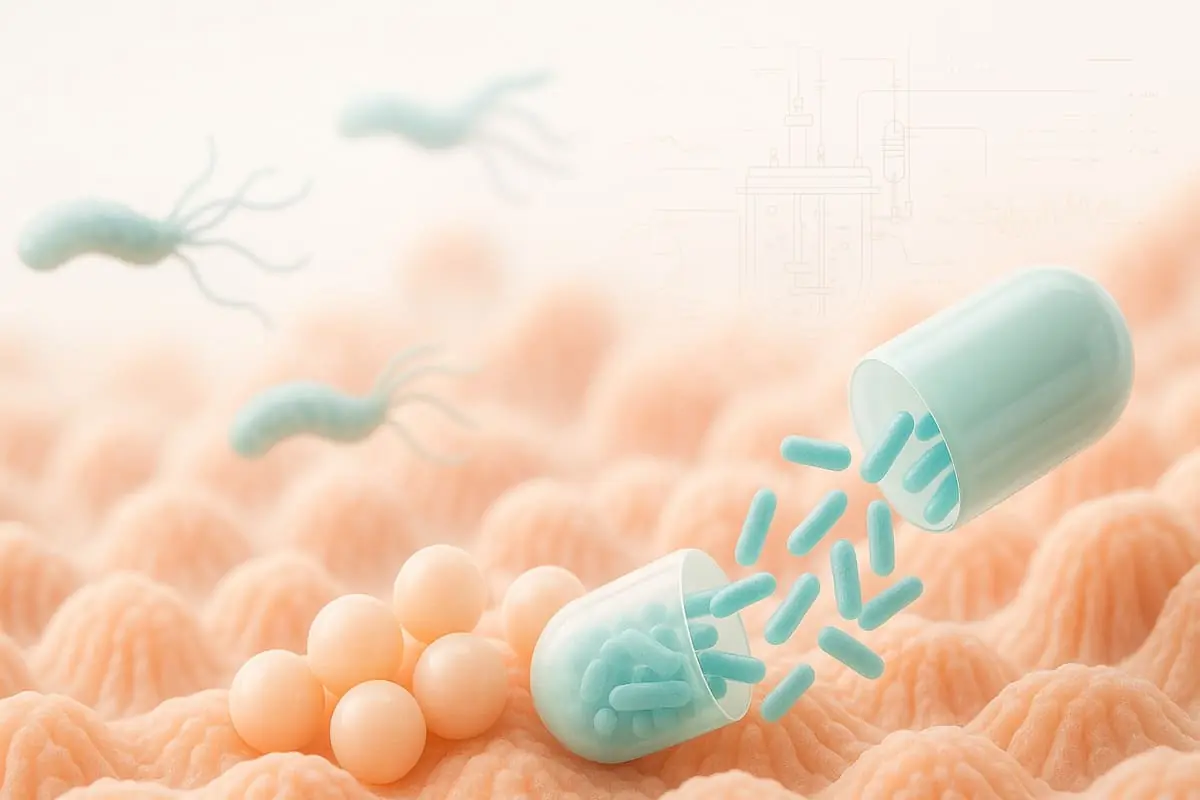
Microbiome-focused cosmetics are built around ingredients that modulate the skin microbiota and strengthen the skin barrier. This includes prebiotics, postbiotics and new generations of actives designed to support microbial balance and reduce low-grade inflammation. This is one of the trends in biotechnology with the strongest market pull, as it connects naturally with categories such as sensitive skin, reactive skin, skin comfort and wellness-oriented routines.Benefits
- More effective products for sensitive and reactive skin.
- New categories aligned with wellbeing and skin health trends.
- More stable formulationsespecially with postbiotics/derivatives that support stability and preservation.
3. Marine biotechnology: sponge-derived ingredients
Marine biotechnology is moving toward more targeted, higher value-added applications. Sponge-derived ingredients stand out, as they can be rich in marine collagen, spongin and other bioactives with hydrating, anti-inflammatory and regenerative properties. This is driving R&D lines focused on preventive care for fragile skin or skin at risk of pressure ulcers, as well as solutions for anti-dark-spot treatments and localised regeneration.Benefits
- Supports tissue regeneration and improves skin integrity.
- Potential for functional formats (films, hydrogels, matrices).
- Targeted skin regeneration with strong fit for pressure-ulcer prevention and anti-spot applications.
4. Biotechnology-driven upcycling and circular bioeconomy
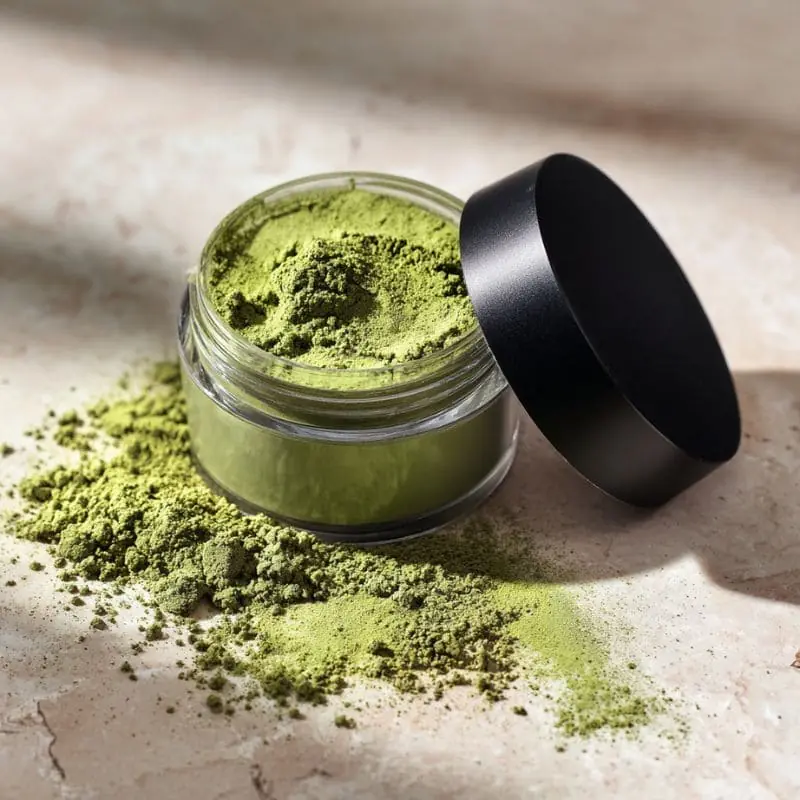
Upcycling transforms by-products from the agri-food industry into cosmetic ingredients through enzymatic processes, fermentation, or biorefinery approaches. It is gaining traction as brands look to strengthen their ESG narrative with verifiable arguments while protecting the supply chain from volatility.Benefits
- Valorisation of raw materials that would otherwise be discarded.
- Stronger ESG goals supported by a traceable circularity story.
- Lower exposure to volatility in certain premium raw materials.
- More competitive costs compared with conventional botanical extracts.
5. Extracellular vesicles
Extracellular vesicles (EVs) represent one of the most advanced frontiers in biotech-driven cosmetics. They act as natural delivery systems, carrying proteins, lipids and microRNAs capable of modulating cellular activity. This positions EVs as a high-potential route for next-generation performance concepts within biotechnology in cosmetic industry.Benefits
- Stimulate skin regeneration and increase collagen production.
- Help reduce inflammation.
- Improve hydration, texture and tone uniformity.
- Differentiated innovation for premium ranges focused on regeneration and performance.
6. Download the infographic
We have prepared an infographic summarising these five biotechnology trends and their key applications in natural cosmetics. Download it here: 5 biotechnology trends in natural cosmetics – AINIA Funded by the aid program for hiring young professionals specialized in internationalization