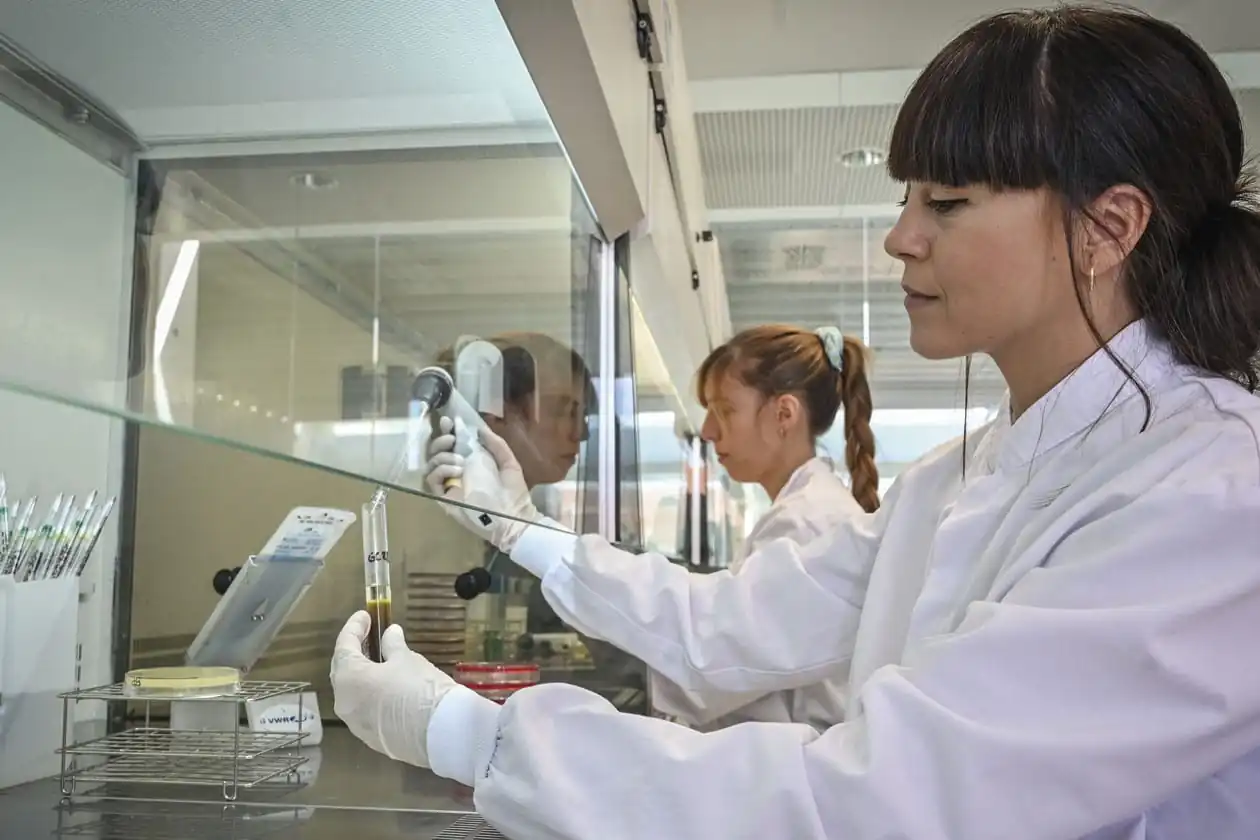
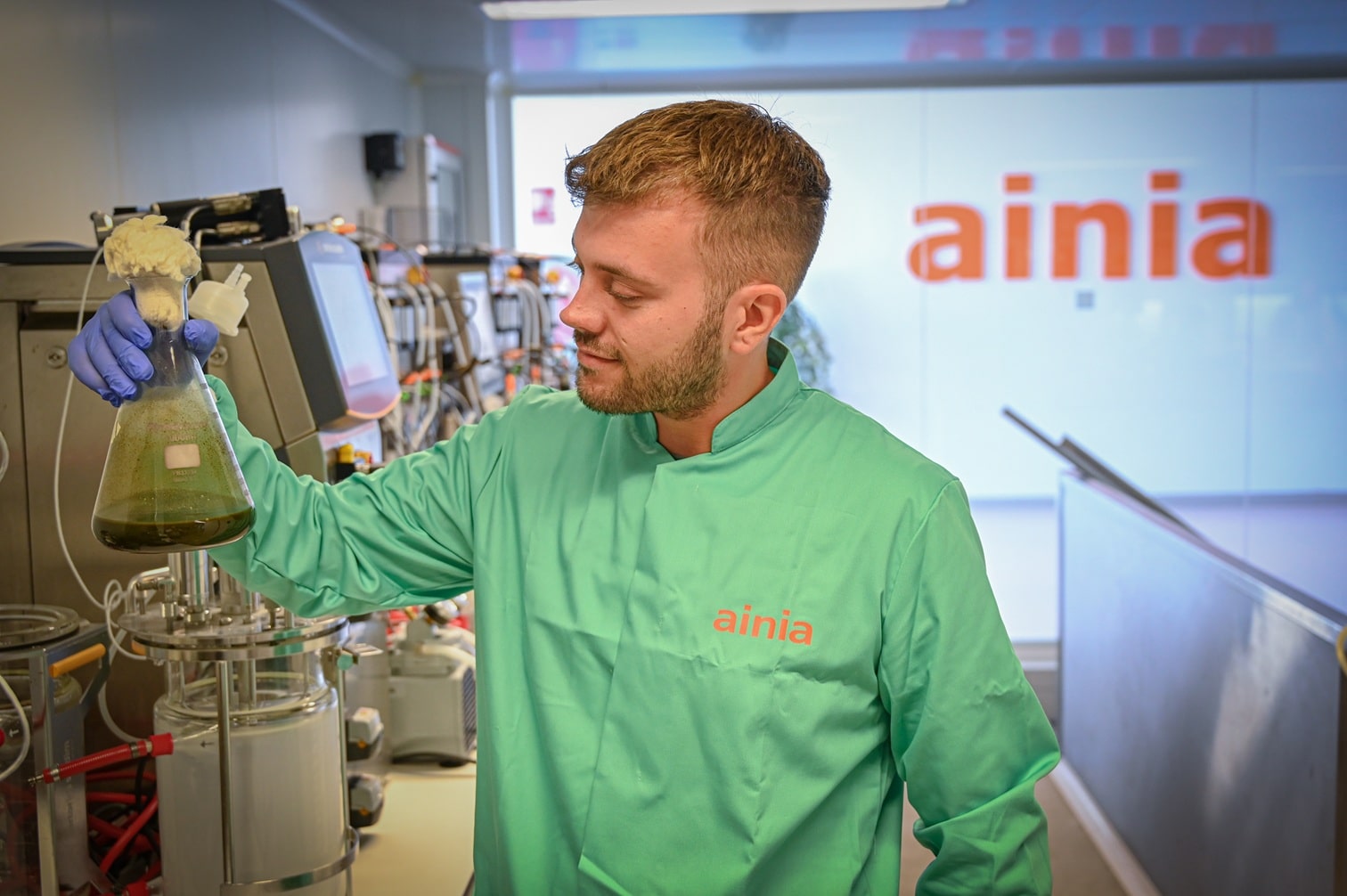
AINIA has concluded the RAMDETEC project, focused on the research and development of technologies for the early detection and control of resistant bacteria in food products. This initiative responds to one of the main current challenges in food safety: antimicrobial resistance, considered by international organisations as a growing threat to public health.
Advances achieved in detection and control
The objective of the project has been to develop advanced methodologies for the rapid, comprehensive and precise detection of antimicrobial-resistant bacteria (AMR) in food. To this end, foods especially vulnerable to the presence of resistant bacteria have been analysed, such as chicken and beef meat, vegetables grown in soil (watermelon, lettuce and pumpkin) and the water used for irrigation.
During the project, faster and more precise analytical methods have been validated, based on molecular biology and omics techniques, which make it possible to identify resistant bacteria in significantly shorter times than traditional systems, starting both from isolated microorganisms and directly from the food.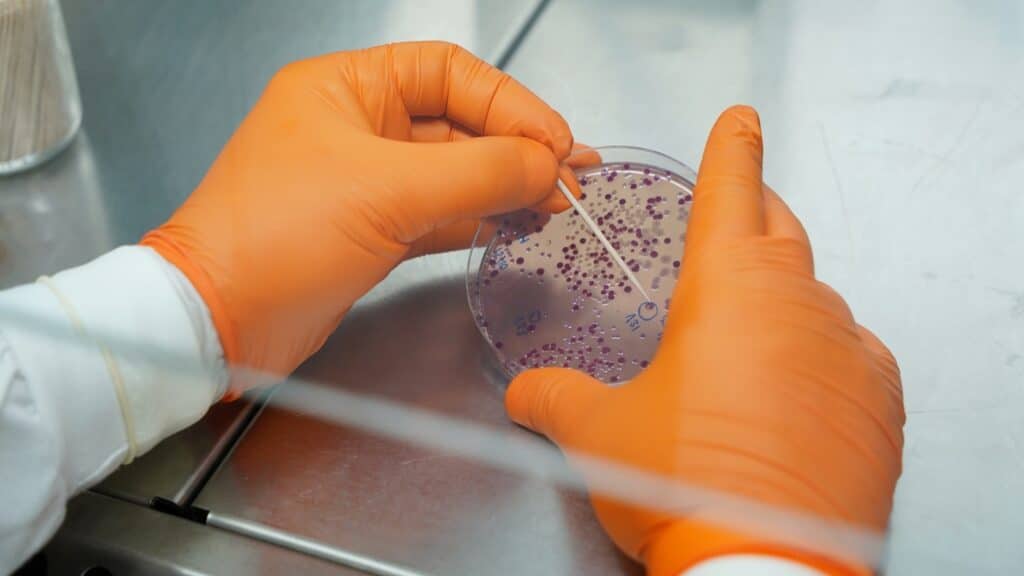
Benefits for industry and consumers
The results of the project will contribute to improving the surveillance of AMR (bacteria with antimicrobial resistance) throughout the food chain, enabling more efficient control to curb the spread of these resistances and protect the health of people, animals and ecosystems under an integrated One Health approach.
In addition, it will help reduce the costs associated with product recalls, improve efficiency in control processes and strengthen consumer confidence in the quality and safety of food. The tools developed will make it possible to act more quickly and precisely in the face of a problem that affects the entire food chain, facilitating the incorporation of these solutions into companies control systems to guarantee the safety and competitiveness of the sector.
The RAMDETEC project is supported by the Conselleria dInnovació, Indústria, Comerç i Turisme of the Generalitat Valenciana, through IVACE, and is funded by the European Union through the FEDER Comunitat Valenciana 2021-2027 Programme.