Encapsulated retinol: what it is and how it works
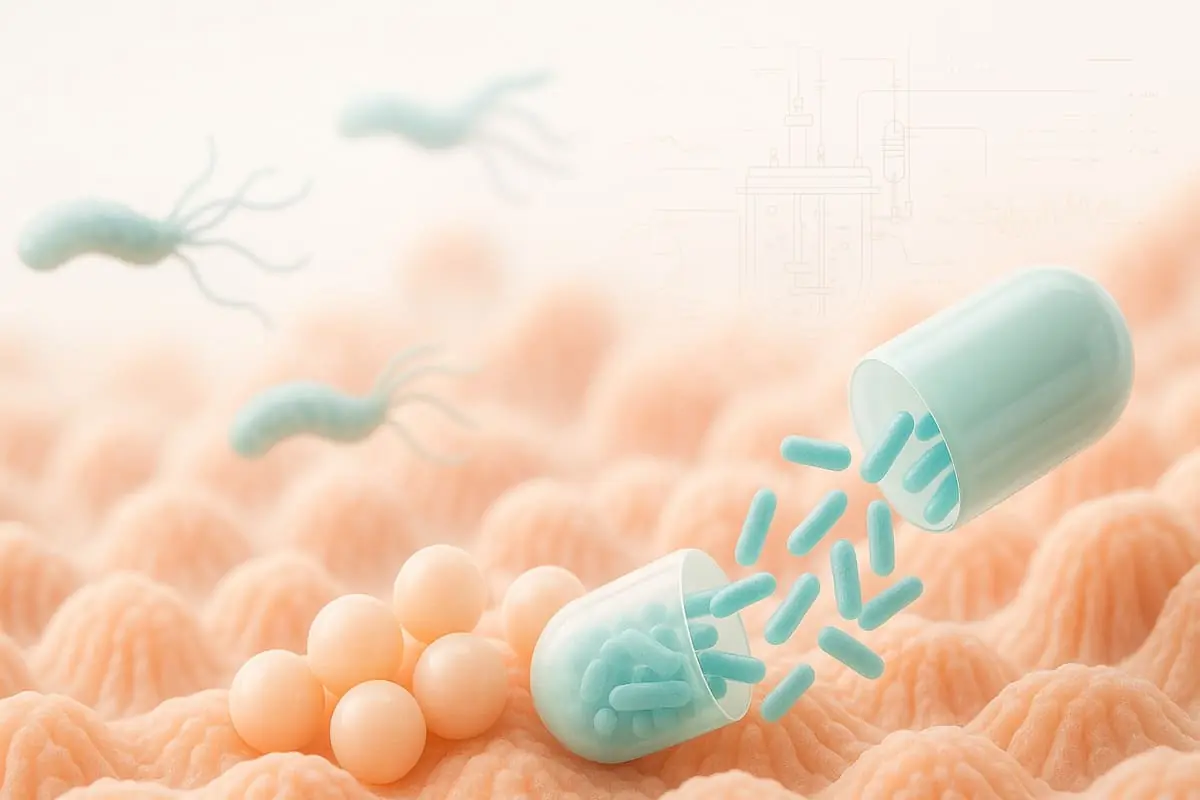
When we talk about retinol, were actually referring to an active form of vitamin A, known for stimulating collagen production and improving cell turnover and skin texture. The problem? Its highly unstable when exposed to factors like light and oxygen, degrades quickly, and can even cause skin irritation. This raises concerns among both consumers and companies when it comes to using retinol. Thats where encapsulated retinol comes in, a standout innovation in the cosmetic industry. Its an advanced way of incorporating retinol into skincare products by protecting the active molecule within a microscopic capsule. This encapsulated system acts as a protective barrier against external factors such as light, oxygen, and heat. As a result, the ingredient remains stable for longer, both inside the packaging and once applied to the skin.
Benefits of microencapsulated retinol
The microencapsulation of retinol offers numerous benefits for both formulators and end users:- Greater stability: Encapsulated retinol is less vulnerable to oxidation and degradation, extending the products shelf life.
- Controlled release: It enables progressive action on the skin, improving results without overwhelming the epidermis.
- Improved tolerance: Gradual release of the active ingredient helps reduce side effects such as irritation, redness or flaking.
- Increased efficacy: Protecting the active until the moment of application maximises its impact on the skin.
- Compatibility with various formulation phases: Capsules can be adapted to different formats (creams, serums, masks) without compromising final product stability.
Techniques to obtain high-quality retinol capsules
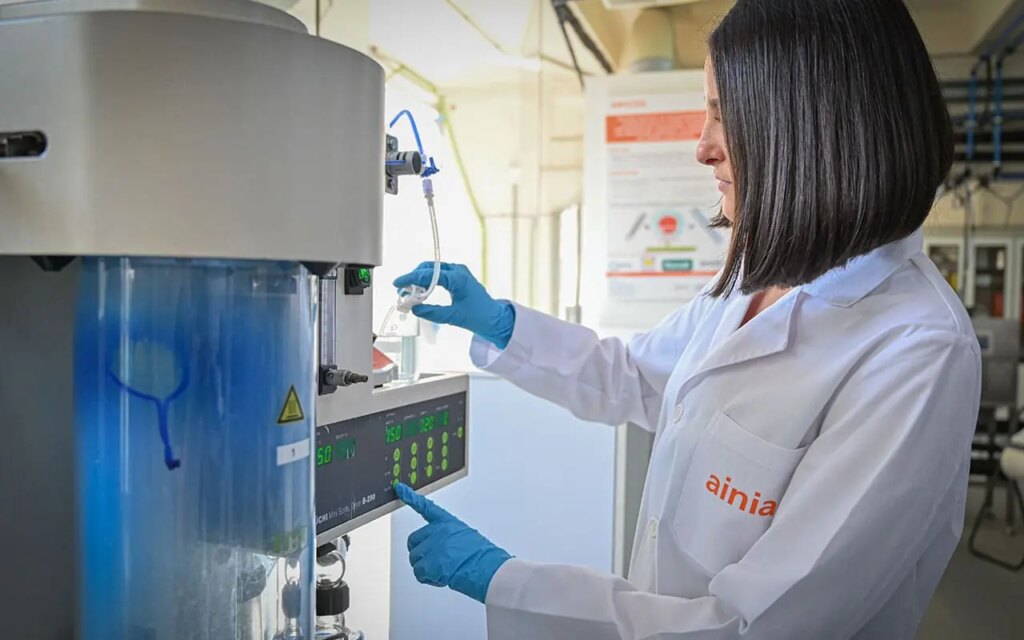
The quality of retinol capsules largely depends on the microencapsulation technique used. Choosing the right method is essential to ensure ingredient stability, product performance and safety in cosmetic applications. Among the most widely used techniques are:- Spray drying: This method produces powder-form microcapsules by spraying an emulsion or solution, followed by rapid drying. Its ideal for sensitive ingredients like retinol, as it helps protect them and maintain their functionality.
- Coacervation: This technique forms a membrane around the retinol through the interaction of oppositely charged polymers, resulting in uniform capsules with high control over active release.
- Ionic gelation: Based on the reaction between certain biopolymers and gelling agents, this method produces stable, biodegradable microcapsules well-suited for delicate cosmetic formulations.
Differences between encapsulated and free retinol
The key difference between encapsulated retinol and free retinol lies in the level of protection and control over active release.- Free retinol is directly exposed to the environment and tends to degrade rapidly when it comes into contact with light, oxygen or heat. This can reduce its effectiveness and increase the risk of adverse skin reactions.
- Encapsulated retinol, on the other hand, maintains its integrity until the moment of application. It is released gradually, which improves its stability, efficacy and skin tolerance.
Funded by the aid program for hiring young professionals specialized in internationalization