Citrus Fruits: An Essential Crop Under Threat
Citrus fruits are a regular part of the diet in most countries around the world. Oranges, mandarins, lemons, and grapefruits are consumed daily, either as fresh fruit or as juices, flavorings, or ingredients for industrial use, cooking, and baking. Their cultivation, which is widely distributed (Brazil, China, India, the United States, Spain, Italy, Greece, etc.), is under threat from two pests that have already begun casusing serious damage in some regions:Priority Pests for the EU: HLB and Black Spot
- Candidatus Liberibacter, the bacterium responsible for huanglongbing (HLB), also known as citrus greening, is transmitted by the vector Trioza erytreae and causes a disease that progressively weakens the tree until it dies, also affecting the taste, size, and quality of the fruit.
-
The fungus Phyllosticta citricarpa, which causes citrus black spot, leads to visible lesions on the fruit peel, reducing its commercial value and hindering export. Due to their rapid and easy spread, as well as the severe damage they cause, both diseases have been classified by the EU as priority quarantine pests.
A Critical Situation in the Mediterranean Region
Although Europe is currently free of both pests, their geographical proximity keeps the sector on high alert. For instance, the vector T. erytreae has already been detected in areas of northern Spain, and the fungus Phyllosticta citricarpa is present in Mediterranean regions of North Africa. These nearby outbreaks make prevention and preparedness critically important today.A European Project to Stay Ahead of the Risk
This is why CITRUSBUSTERS was born, a European project funded by the Horizon Europe programme that aims to anticipate the problem by developing innovative tools to detect pests and protect citrus crops against these threats. The project focuses on integrated pest management, combining cutting-edge science, sustainable development, and collaboration among key stakeholders in the sector.The project is structured around three main lines of action:
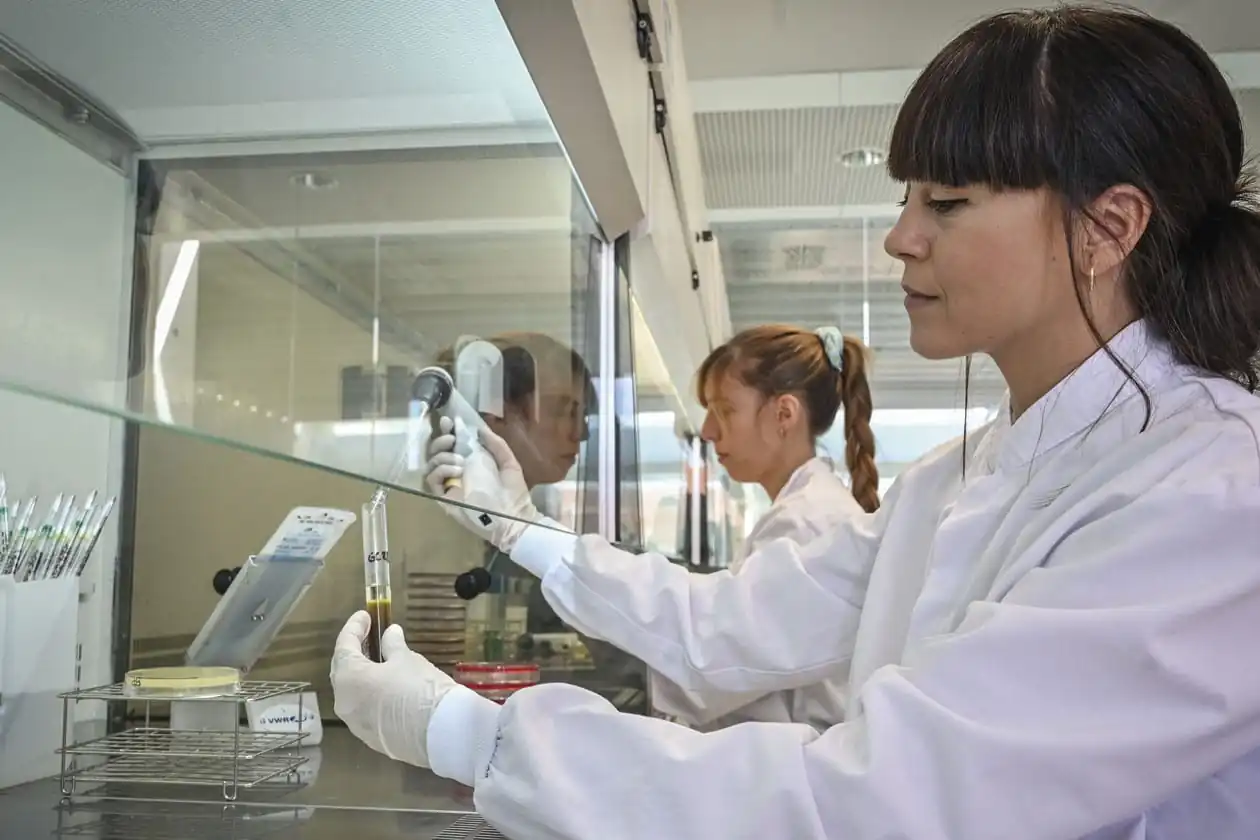
- Early Detection and Smart Monitoring: One of CITRUSBUSTERS key activities is the early detection of outbreaks using technologies such as hyperspectral imaging, LIDAR sensors, and artificial intelligence models. These tools will be developed to correlate variables such as soil health (volatile compounds and microorganisms), the presence of vectors, and the overall condition of the trees. In addition, the cultivation of the pathogenic microorganisms involved will be studied to better understand their growth, development, and infection dynamics.
- Strengthening the Plants Natural Defences: On the one hand, the project will explore the potential of certain natural substances to activate citrus defence mechanisms against pathogens. It will also investigate genetic editing and mutagenesis techniques aimed at developing pest-resistant citrus varieties.
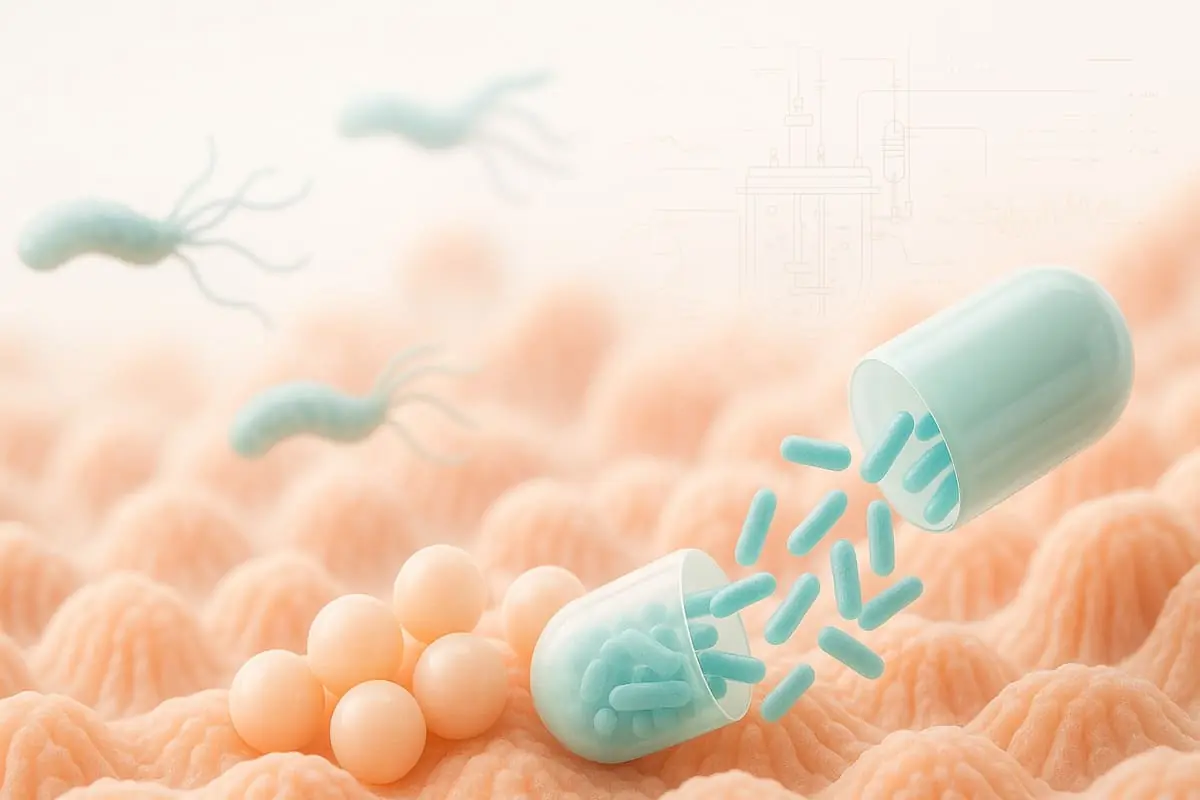
- Safe and Sustainable Biocontrol: CITRUSBUSTERS is committed to advanced biological solutions for pest treatment, such as microencapsulated endolysins to lyse bacteria, microbial compounds with antifungal activity, and RNA interference systems to compromise the viability of the HLB vector insect. The goal is to reduce the use of conventional plant protection products while respecting the environment.
Beyond Technology: Science with Real Impact
But CITRUSBUSTERS goes beyond technology. One of the projects core and distinctive pillars is the collaboration between farmers, scientists, public authorities, and citizens. Through this cooperation network, the project aims to ensure that the solutions developed are realistic, effective, and embraced by all stakeholders. Additionally, the social, economic, and environmental impacts of each measure will be assessed, and practical guidelines and recommendations will be generated for their implementation.
A European Commitment to Citrus Farming
With initiatives like CITRUSBUSTERS, Europe is taking a stand to protect global citrus production. Preventing today is the best way to avoid losses tomorrow. Science, innovation, and collaboration will be our strongest allies in preserving the vitality of a crop that is part of our identity.