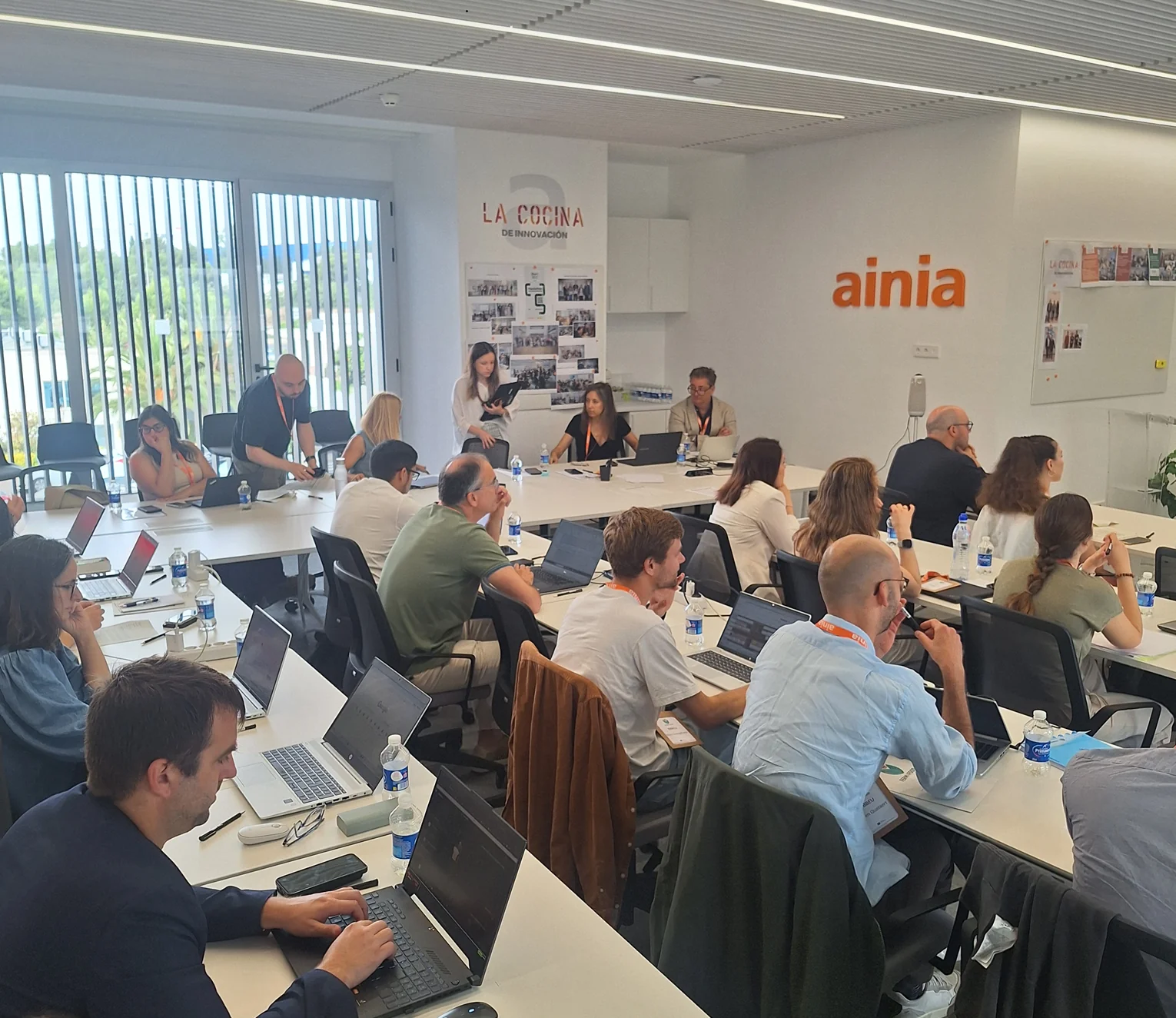
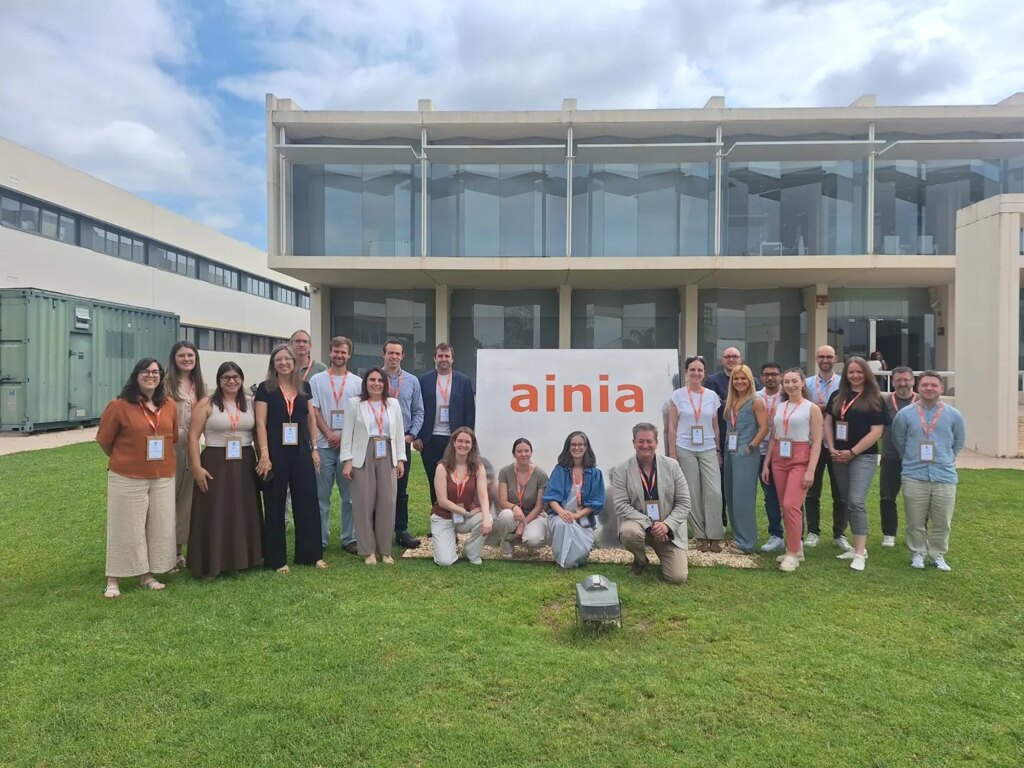
The kick-off meeting of the FERM4FOOD project takes place today in Valencia. Funded under the Horizon Europe programme, this initiative proposes an innovative circular solution for the European agri-food industry: capturing CO₂ generated during industrial fermentation processes — such as those in breweries, wineries and bakeries — and converting it into high-value food ingredients through precision fermentation.
The project is coordinated by AINIA, a leading Spanish technology centre in the food sector, and brings together a consortium of 15 organisations from 8 European countries, spanning research and technology organisations (RTOs), innovative SMEs, and industrial leaders in fermentation, engineering and digitalisation.
From waste to resource: a modular platform unique in Europe
FERM4FOOD will develop and demonstrate, for the first time at European scale, an integrated modular platform capable of producing three key ingredients from CO₂: lactic acid (LA), single-cell protein (SCP) and microbial oils (MO). This will be achieved using genetically modified microorganisms (GMOs) optimised to maximise conversion efficiency, combined with advanced purification processes to ensure the food-grade quality of the resulting products.
These ingredients will be validated in two innovative consumer products with a vegan profile: a plant-based barista drink rich in protein, and a “beauty food pouch” — a functional formulation targeting skin health. Both products will be developed and tested with real consumers within the project framework.
An industrial challenge with climate impact
The European food and beverage industry generates approximately 10% of its CO₂ emissions through fermentation processes alone. FERM4FOOD directly addresses this issue, aligning with the objectives of the European Green Deal, the Farm to Fork strategy and the Food 2030 initiative, which aim to reduce greenhouse gas emissions by 55% before 2030.
The project anticipates a reduction of at least 45% in CO₂ emissions compared to conventional ingredient production methods, alongside significant savings in water use and land use. The creation and safeguarding of 25 highly skilled jobs is also projected.
The solution will be validated under real conditions at an Italian brewery (BALAD, in Piozzo, Italy), where mobile fermentation units will demonstrate the technological and economic feasibility of the system at pre-commercial scale.
About FERM4FOOD
FERM4FOOD is a 48-month project funded under the call HORIZON-CL6-2025-02-FARM2FORK-14. It is coordinated by AINIA and involves 15 partners from Spain, Austria, Belgium, Denmark, Greece, Italy, Germany and other European countries. The consortium covers the full innovation chain, from genetic design to market validation.

This Project has received funding from the European Union’s Horizon Europe innovation action under grant agreement No 101181822 TBC


 [/vc_column_text][/vc_column][/vc_row]