AINIA / Allergens
-
Physico-chemical
Físico-químico
Allergens
Risks of allergens and food intolerances
Ensure the food safety and correct labelling of your products.
The food safety of our products can be compromised by food allergies, which are adverse immune-based reactions. Allergenic proteins stimulate the immune system in some individuals, leading to an excessive and pathological response.
Allergy symptoms may be mild (nasal congestion, inflammation and skin rashes, etc.), but in some cases more severe symptoms may occur, such as asthma, diarrhoea or colic. In the most serious cases, anaphylactic shock may occur, which can even lead to death.
Allergens are mainly proteins or glycoproteins naturally present in foods. This group also includes other allergens such as sulphites (E220–228), food preservatives used to prevent browning or discoloration of foods, or lactose, a sugar that may cause intolerance in certain individuals. These substances may be found in processed foods as a result of the use of ingredients or additives derived from allergenic foods, or due to cross-contamination during the food production process.

Regulation and analytical control of allergens
Regulation (EU) No 1169/2011 governs the provision of information to consumers regarding the presence in food of a total of 14 groups of substances that may cause allergies or food intolerances, and establishes that all packaged foods must clearly indicate the presence of these substances using typographical emphasis that distinguishes them from the rest of the ingredients list.
As a result, food manufacturers and other food operators need to verify the possible presence of these substances through sufficiently reliable analytical controls.

At AINIA, we add value
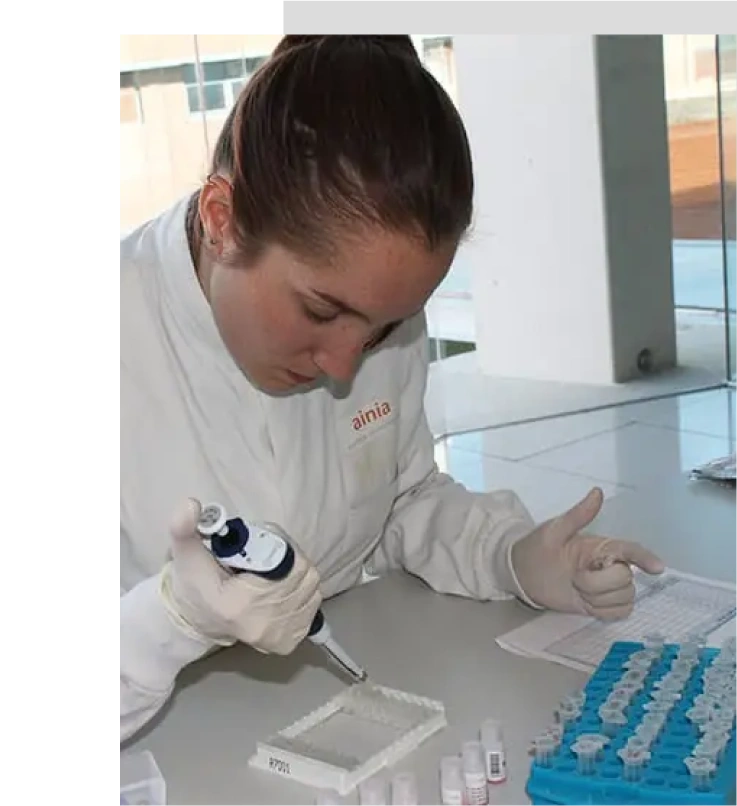
- Accredited by ENAC (Spanish National Accreditation Body) for conducting allergen analytical testing using enzymatic techniques, and therefore recognised by ILAC (International Laboratory Accreditation Cooperation)
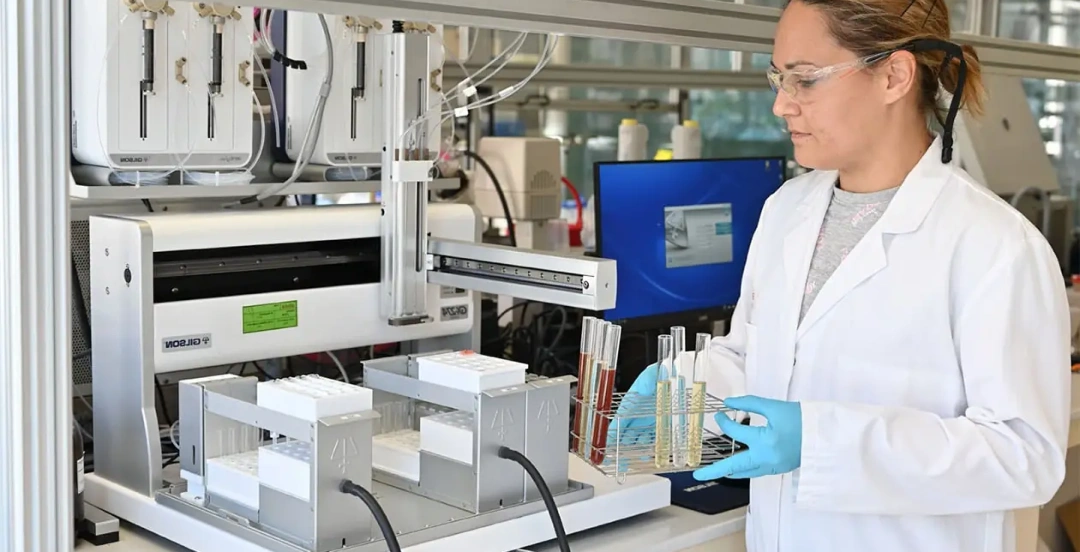
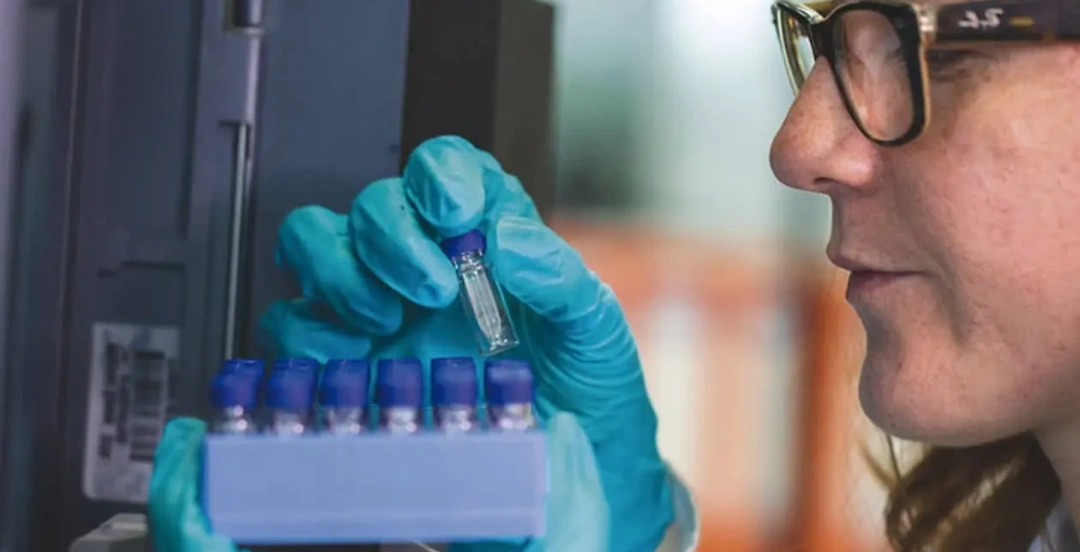
- Development of analytical methods for allergen determination using alternative techniques to immunochemical methods (RT-PCR, ion chromatography, HPLC/MS/MS…)
- Designated as an official control laboratory for testing gluten, soy protein, egg, milk proteins, almond, hazelnut, walnut, peanut and lactose
- Laboratory authorised by FACE (Federation of Coeliac Associations of Spain) and ADILAC (Lactose Intolerant Association of Spain)
- Matrices included within the scope: food and alcoholic beverages.
- Fast response times, with turnaround adapted to our clients’ needs
- Advice on optimising control plans and interpreting results.
Check accreditation at: ENAC accreditations – AINIA laboratories
Veterinary residues: target analytes and matrices
- Advice on selecting which allergens to monitor depending on the nature of the samples
- Carrying out analyses using the most appropriate techniques, combining high reliability criteria with costs and turnaround times adapted to our clients’ needs
- Adaptation, development and validation of analytical techniques for complex, exclusive and specific matrices from our clients, in compliance with their technical specifications and/or legal requirements
- Advice for correct interpretation of the results obtained
- Issuing results through secure and accessible platforms based on modern information and communication technologies
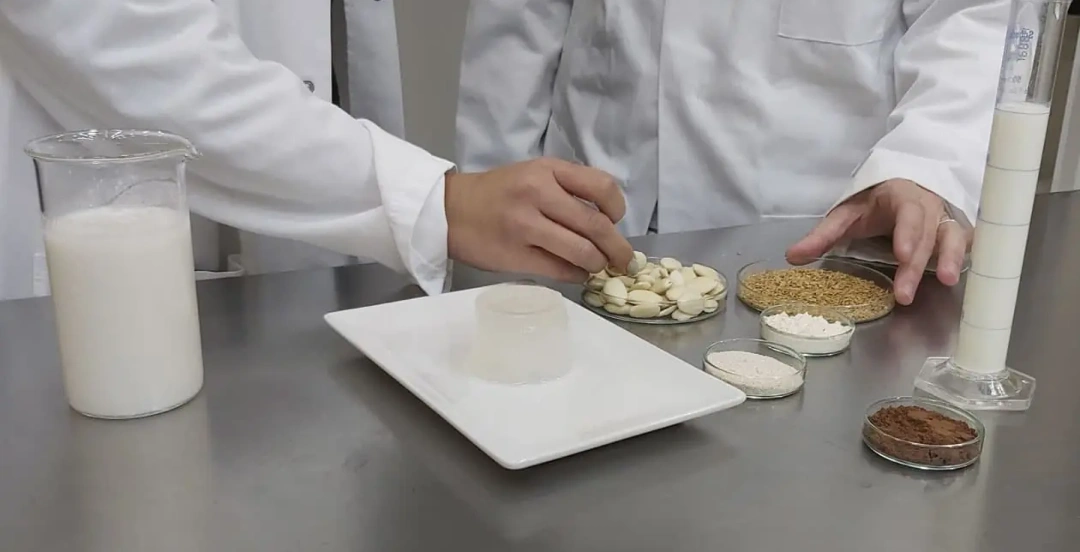
- Analysed allergens: gluten (using the ELISA-R5 sandwich method indicated by FACE), soy, egg (results expressed as total egg protein or powdered egg), milk (combined result of major milk proteins casein and β-lactoglobulin), almond, hazelnut, walnut, peanut, lactose, sulphites.
- Matrices: foods, alcoholic beverages, surfaces (sampling support provided by AINIA: swabs), additives.
Would you like to know more?
Leave us your details and we will contact you to answer your questions or continue the conversation.