The international
consortium of the SATISPHACTION project held its first Kick-off meeting, leading a key initiative to transform the food packaging sector by developing processes for obtaining high-performance biodegradable polymers from packaging recycling.
During the
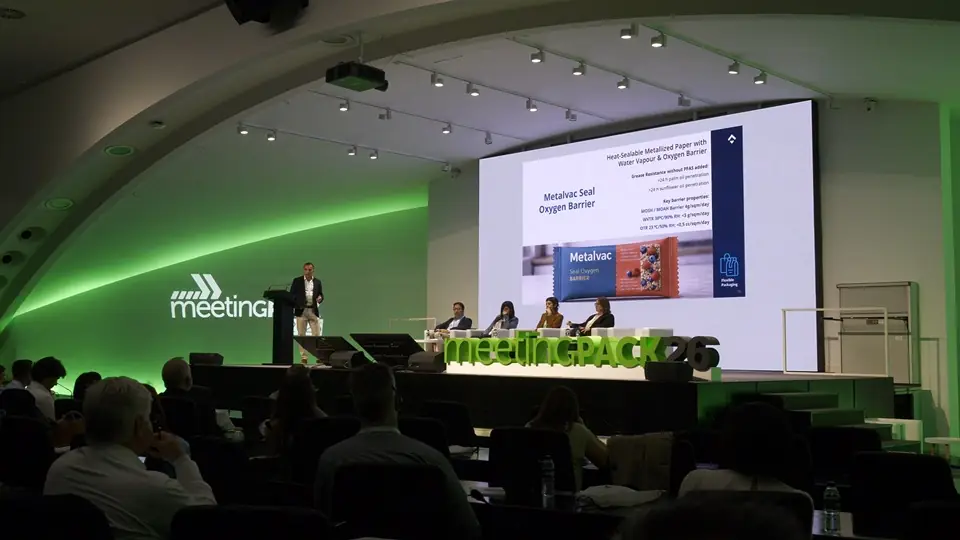
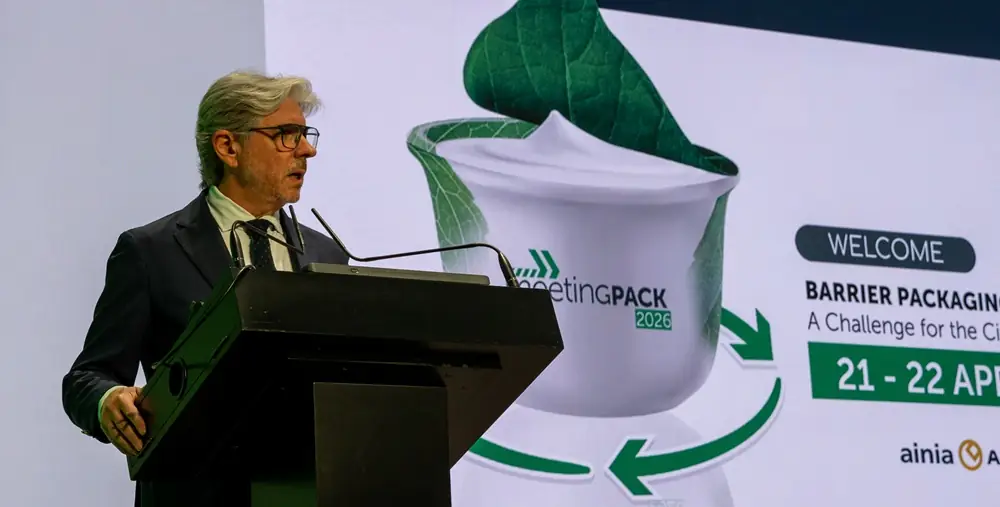
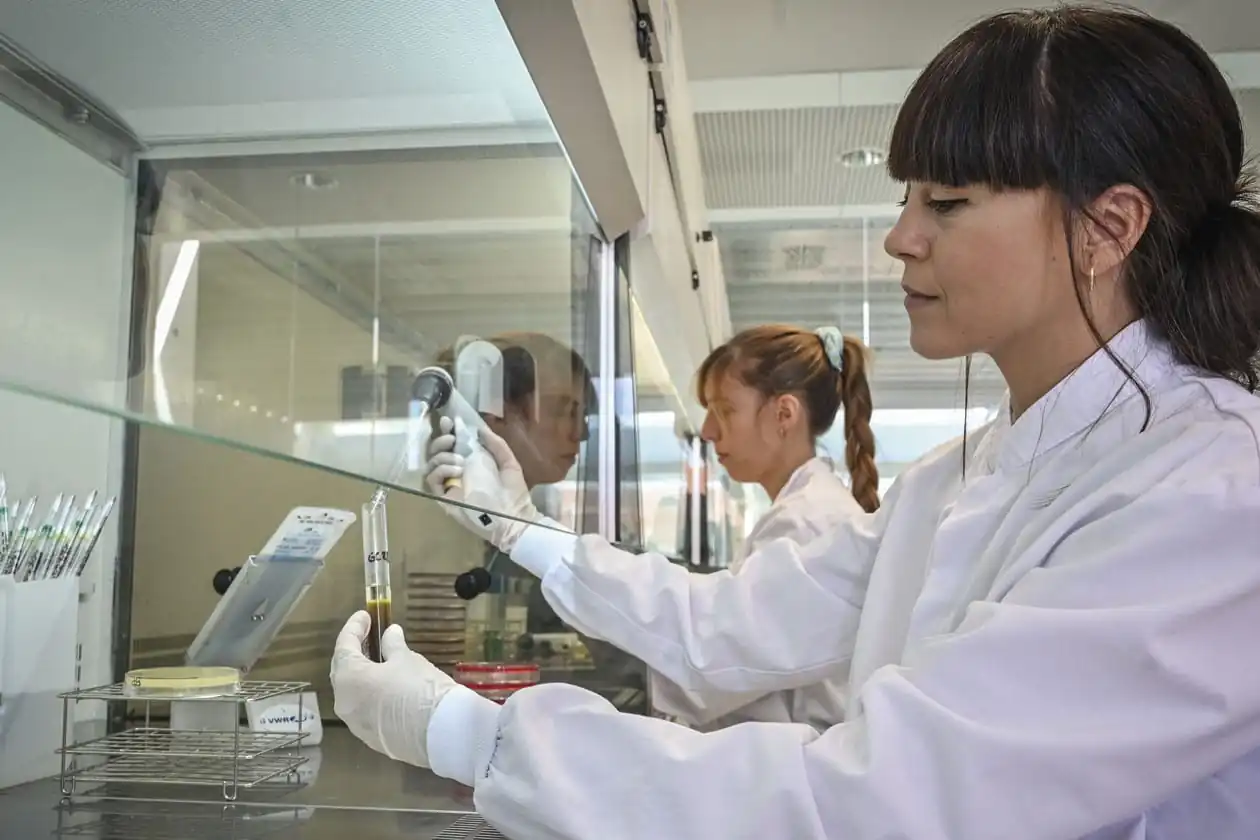
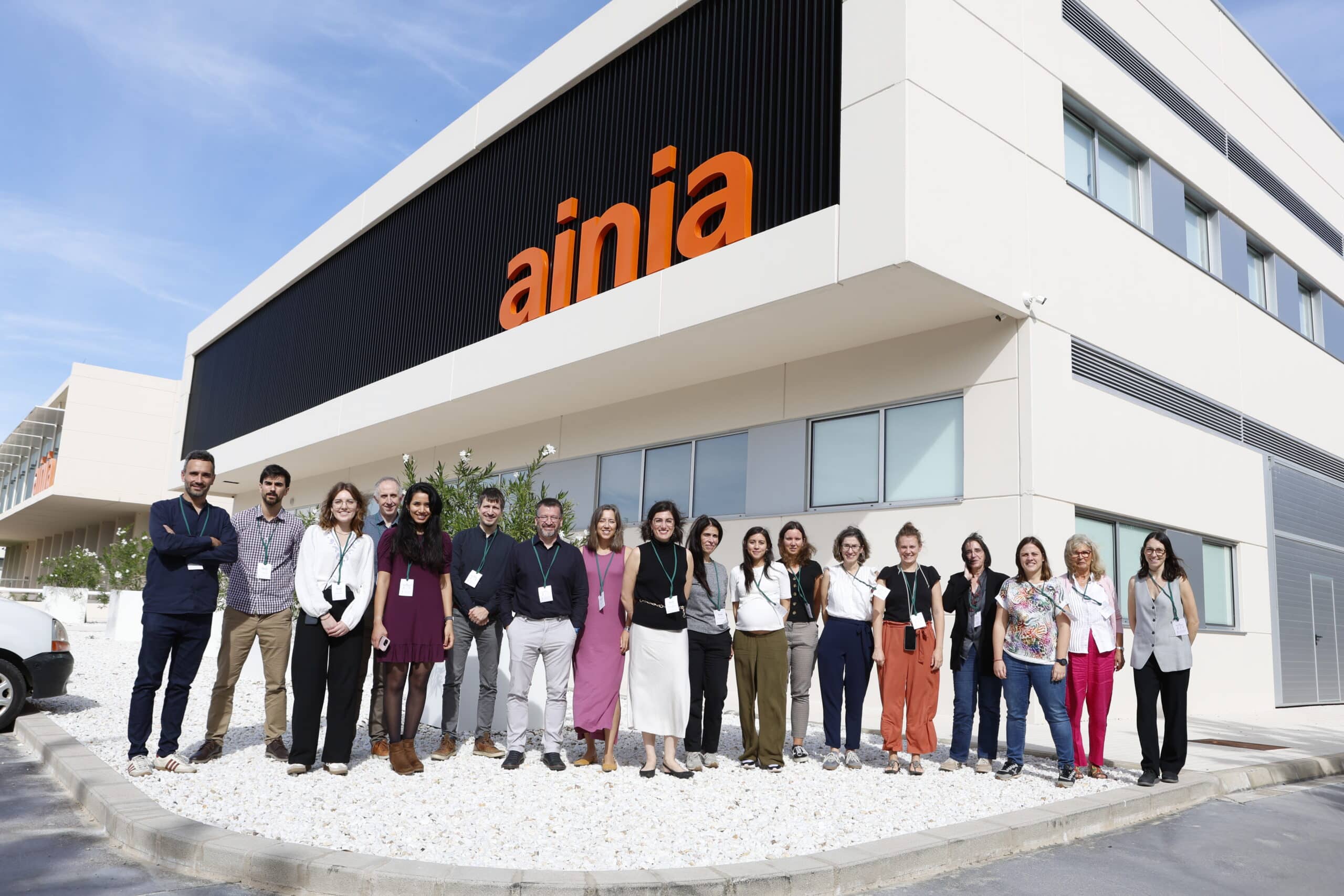
first official meeting of the SATISPHACTION consortium held last week in AINIA, each of the work axes were presented in detail and the objectives common to all project partners were coordinated. The meeting laid the foundations for a solid collaboration that will make it possible to move effectively towards circular and economically viable solutions in the field of food packaging.
The environmental challenge
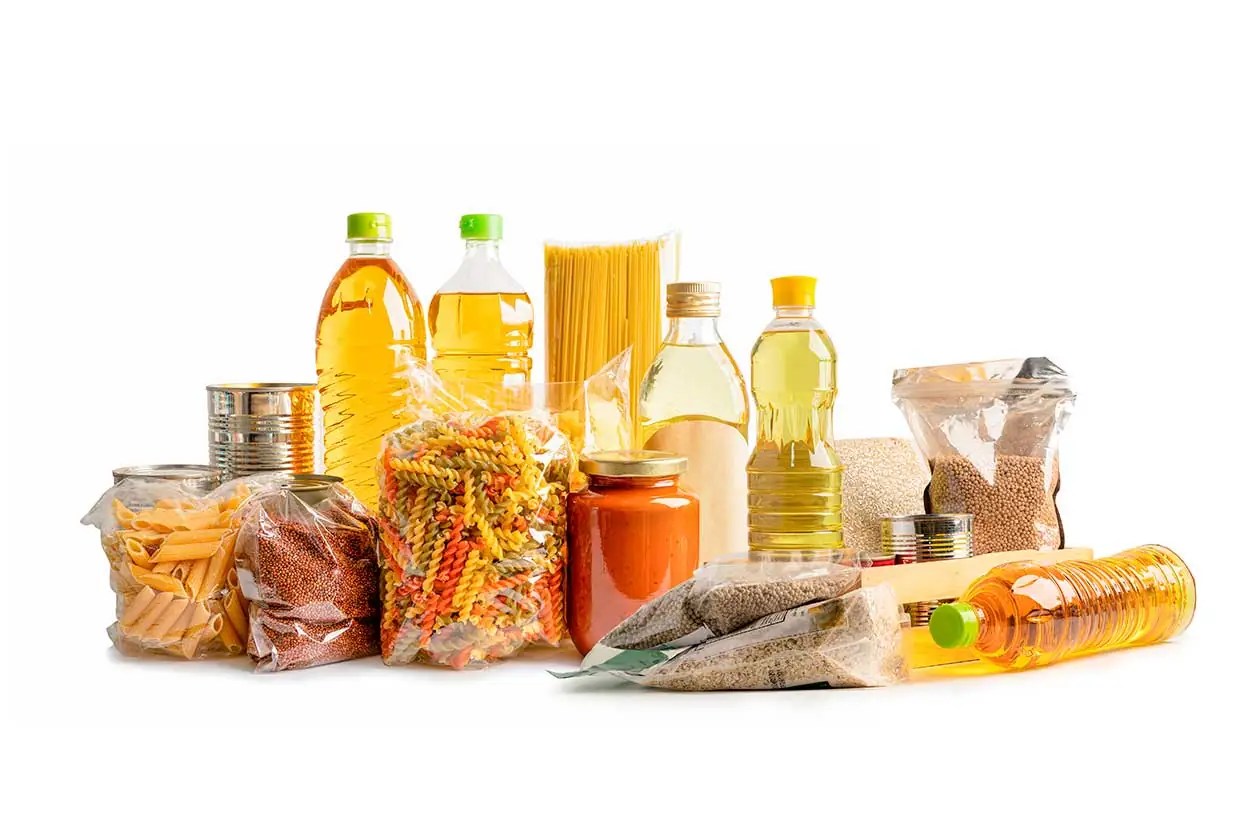
Conventional plastics represent one of the main environmental challenges today due to their dependence on fossil resources and the problems arising from pollution of terrestrial and marine ecosystems. A substantial part of this environmental problem stems from current food packaging products, due to their high presence, limited shelf life and difficult recycling. In this context,
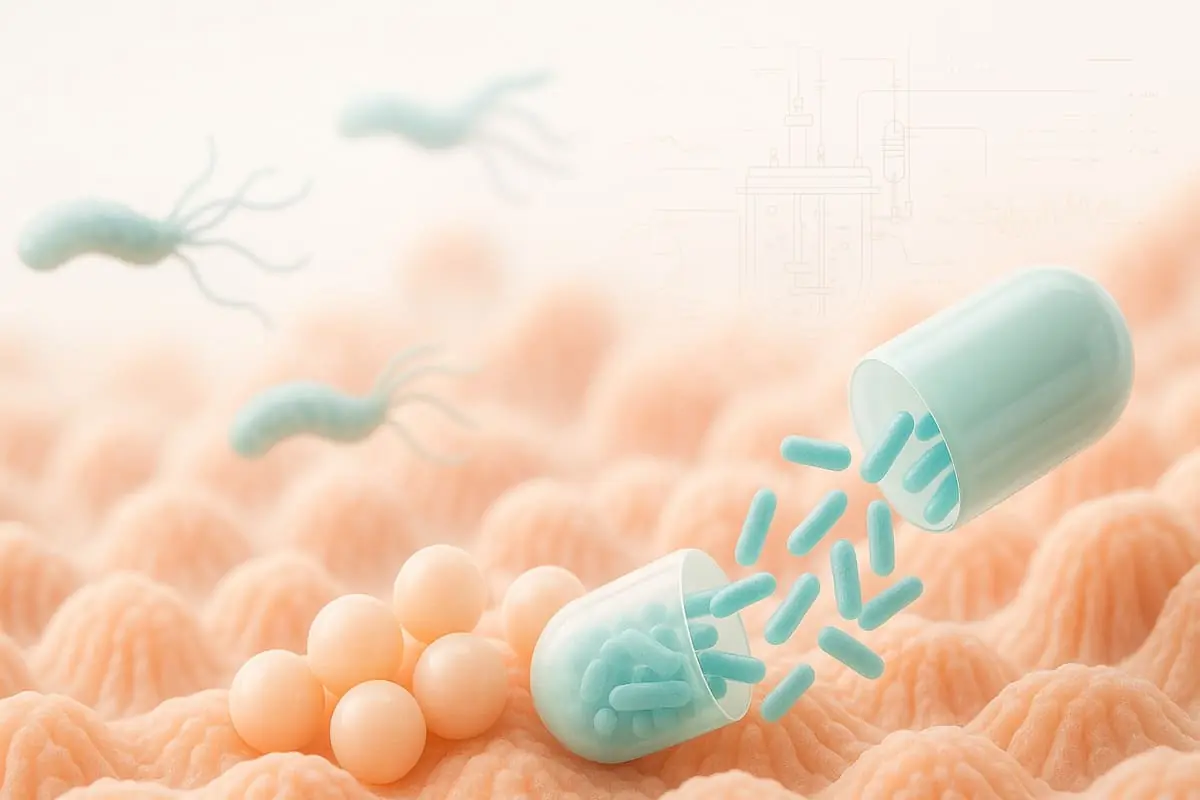
PHA (polyhydroxyalcanoate) emerges as a promising alternative to polymers of fossil origin since it is a biopolymer produced naturally by bacteria, suitable for food contact and completely biodegradable, even in the marine environment.
However, their presence on the market is weighed down by the high cost and final properties of polymers obtained through current production methods. The difficulty of obtaining plastics for food packaging from PHA alone means that it finally has to be combined with additives or other bioplastics such as PLA, PBS or PBAT, losing its biodegradability and limiting its subsequent recycling.
Objectives of the SATISPHACTION project
The
SATISPHACTION project aims to overcome these limitations by:
- The development of efficient recycling processes for PHA, both chemically and biologically (through living cells) that reduce its cost of production and its environmental impact throughout the life cycle.
- Obtaining PHA polymers with bespoke properties, through the use of Artificial Intelligence to guide the design of molecular structures and the development of new chemical polymerization methods.
- The creation of new formulations from recycled material with high PHA content, free of harmful additives and incorporating thermoset enzymes for accelerated self-degradation . These formulations will also be tested to confirm their total microplastic biodegradation and non-generation in terrestrial and marine ecosystems.
- Validation of the feasibility of previous PHA formulations for food packaging by prototyping:
- Thermoformed trays.
- Flexible thermosealable envelopes.
- Biodegradable adhesives for the labelling of fruits and vegetables.
Expected impacts
SATISPHACTION aims to halve the cost of production of the PHA by pursuing a
circular local economy model for food packaging that reduces dependence on non-renewable sources and strengthens the competitiveness of European industry. The results will contribute to reducing carbon emissions, the generation of microplastics and the elimination of chemicals of concern, such as endocrine disruptors in the food chain.
The consortium
The project has a multidisciplinary team made up of research centres, universities, companies and key associations at European level:
AINIA, project coordinator, the biological research centre Margarita Salas de CSIC,
Univesidade Nova de Lisboa,
Kings College London,
NAITEC,
NaturePlast,
Polykey Polymers SL,
Normec OWS and
Cluster Packaging Association
With this partnership, SATISPHACTION is moving towards a future where food packaging is sustainable, competitive and environmentally friendly.