Not a partner company yet? Sign up here
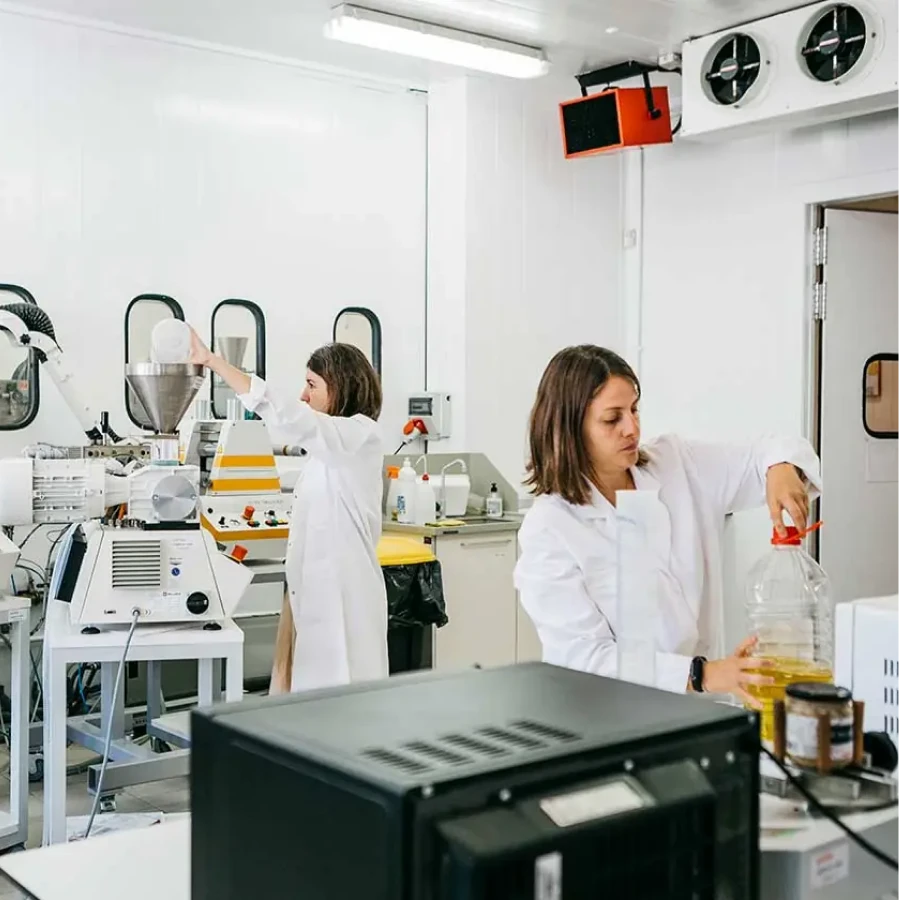
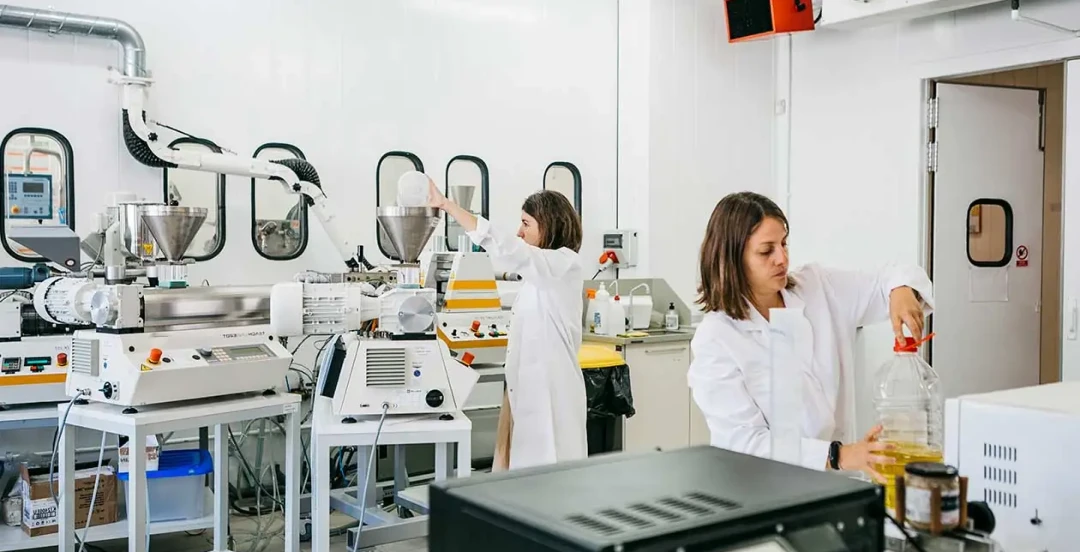
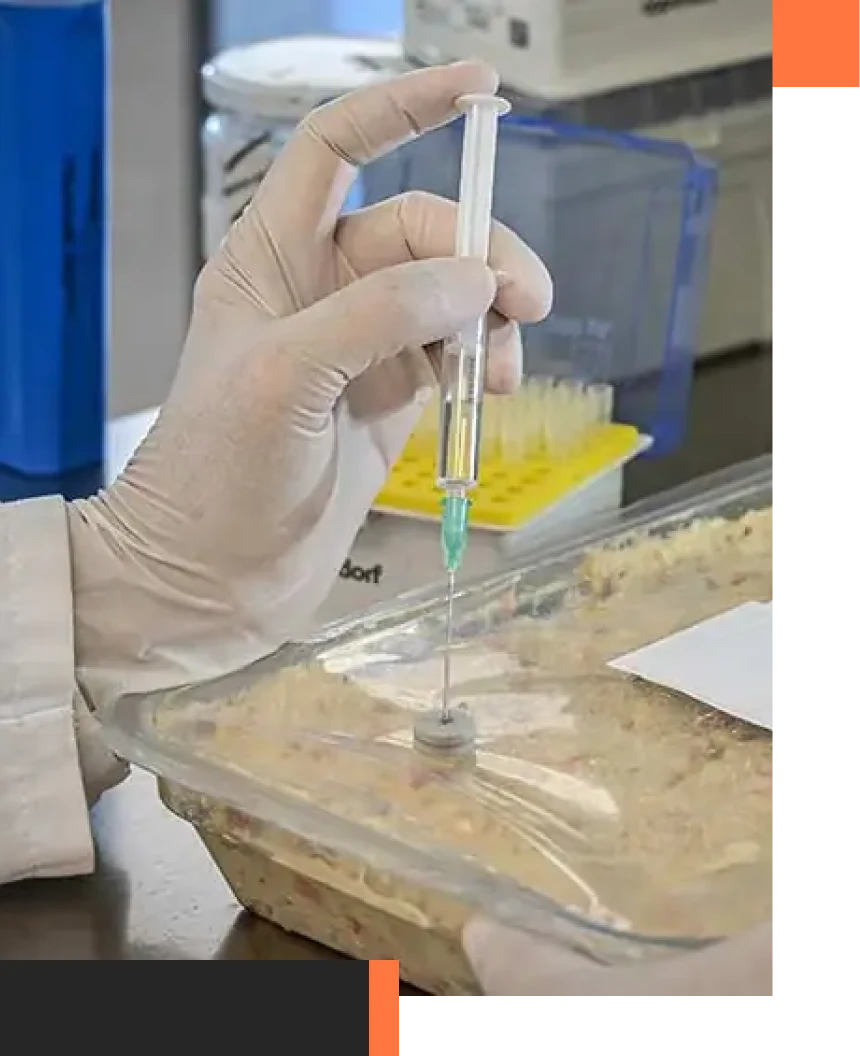
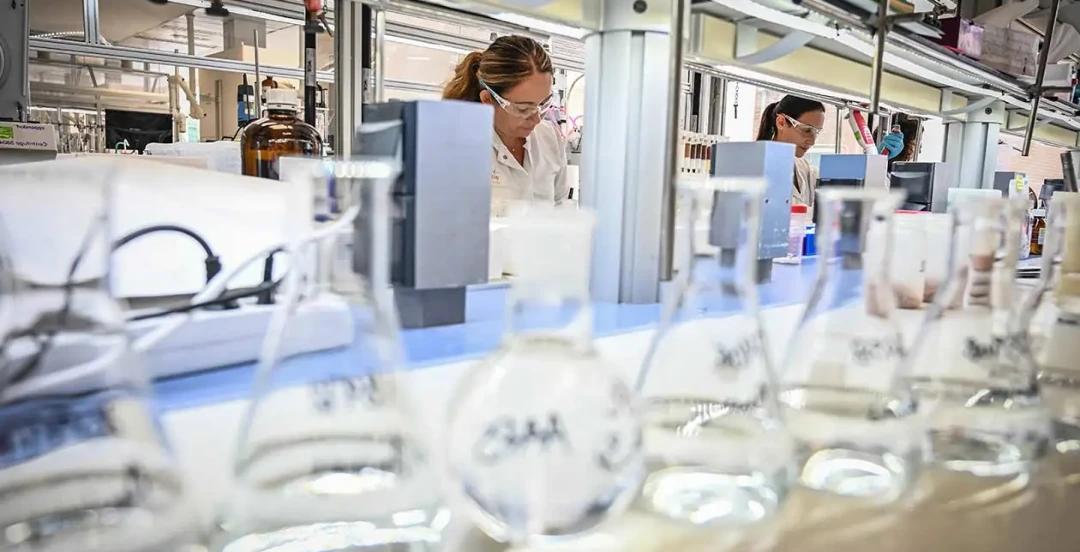
We offer solutions that integrate sustainability, digitalisation, new raw materials and products, and regulatory compliance, supported by more than 300 professionals and 21 pilot plants dedicated to innovative technologies that enable processes to be scaled up to pre-industrial levels.
Cellulosic materials, recycled polymers, …
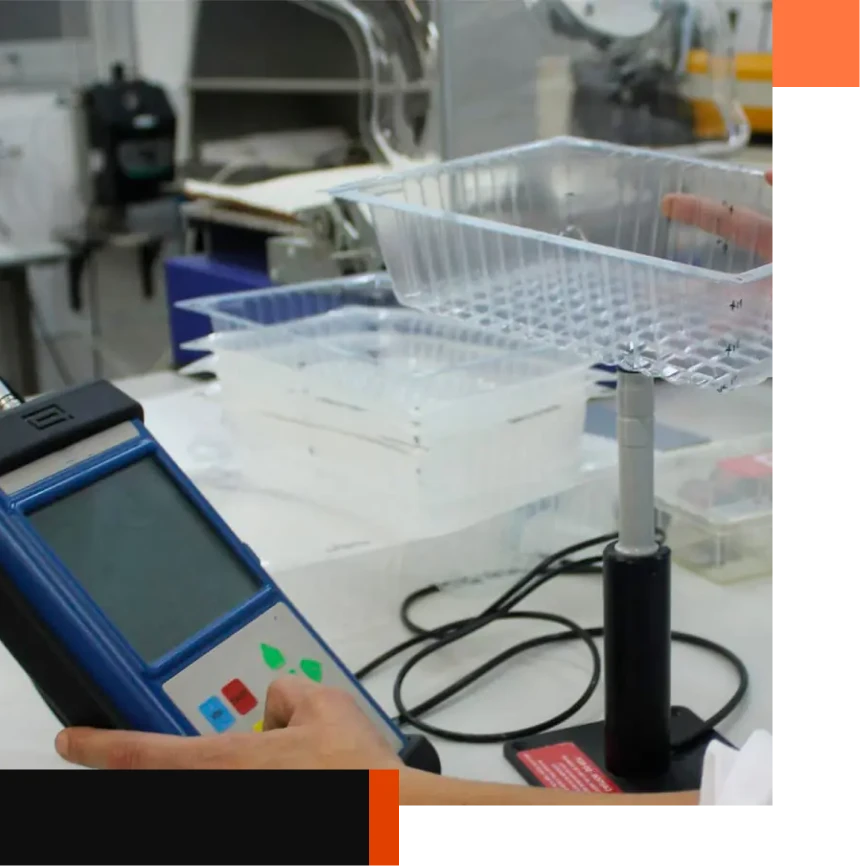
Thermal and ultrasonic integrity
Usability, opening/closing, ergonomics, perception of sustainability

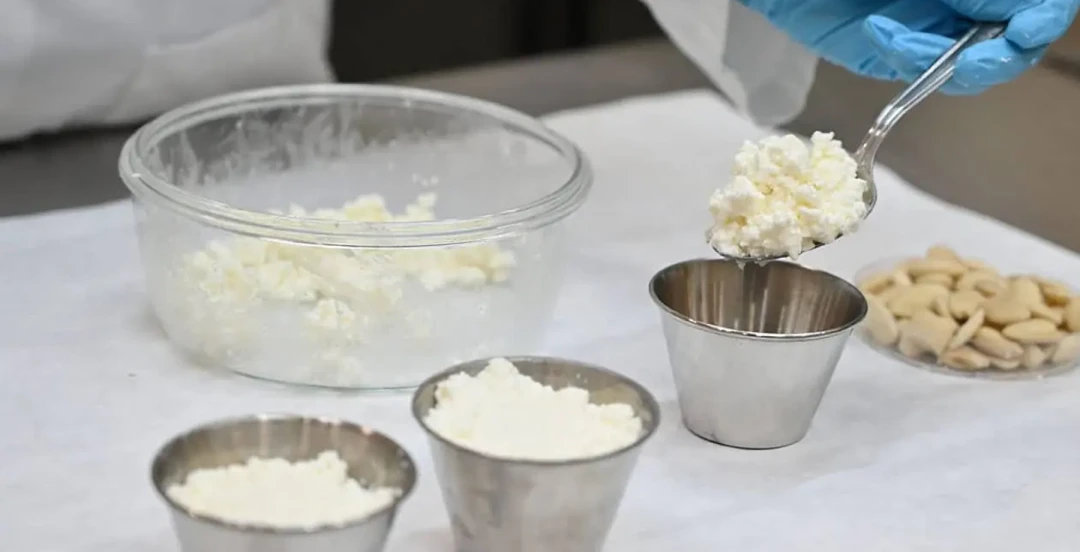
The project addresses innovative solutions through edible coatings and packaging to preserve food quality and contribute to environmental sustainability. Edible coatings are applied directly to fruits and vegetables to extend their shelf life and maintain their quality. Coatings for cardboard packaging improve the moisture barrier of cellulosic packaging, preserving its integrity and the freshness of packaged products. Finally, edible packaging, made from renewable materials, not only protects food but can also be consumed along with it, thus eliminating packaging waste. This is a pioneering initiative in the food industry in the fight against food waste and the environmental impact of plastic packaging. The project has been developed in collaboration with various companies and is funded by the EU through IVACE with FEDER funds.
This tool makes it possible to assess the sustainability of packaging based on different parameters. AINIA has supported and advised on defining the functionality category, establishing criteria for categorising the different variables and helping to validate the tool against various “best runners” jointly proposed by ECOEMBES and AINIA. Based on the results, adjustments have been made to the established parameters in order to resolve the issues identified. Within PACKCD, the functionality parameter is intended to highlight the primary role of packaging in protecting against spoilage agents (oxygen, water, light, loss of aromas) and preserving the food or product contained, making this a differentiating parameter of the tool developed by ECOEMBES.
Leave us your details and we will contact you to answer your questions or continue the conversation.