Not a partner company yet? Sign up here
AINIA / Sustainability / Biorefineries
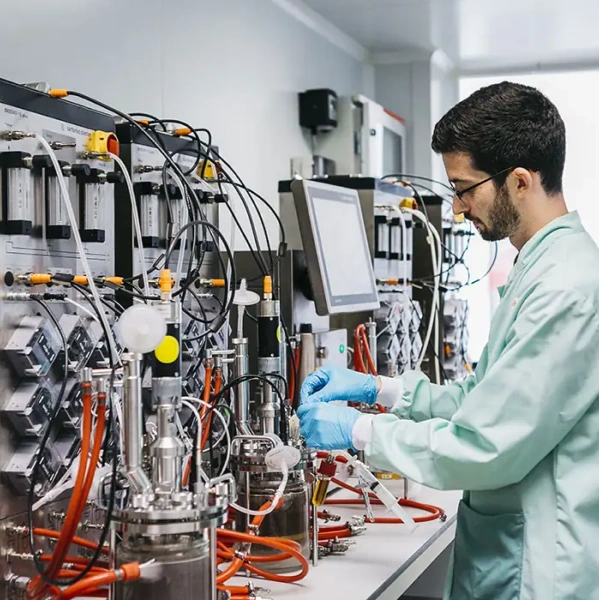
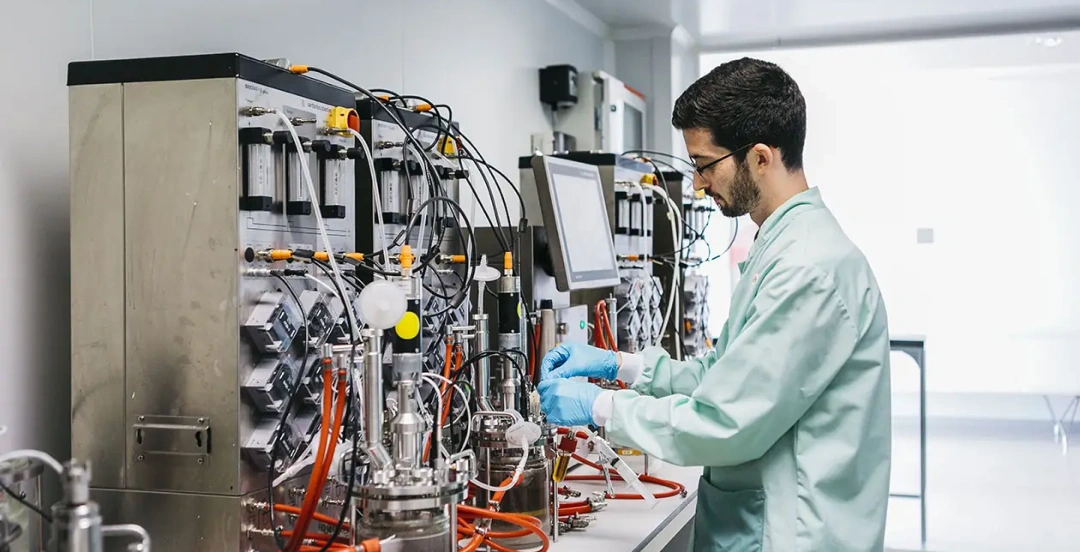
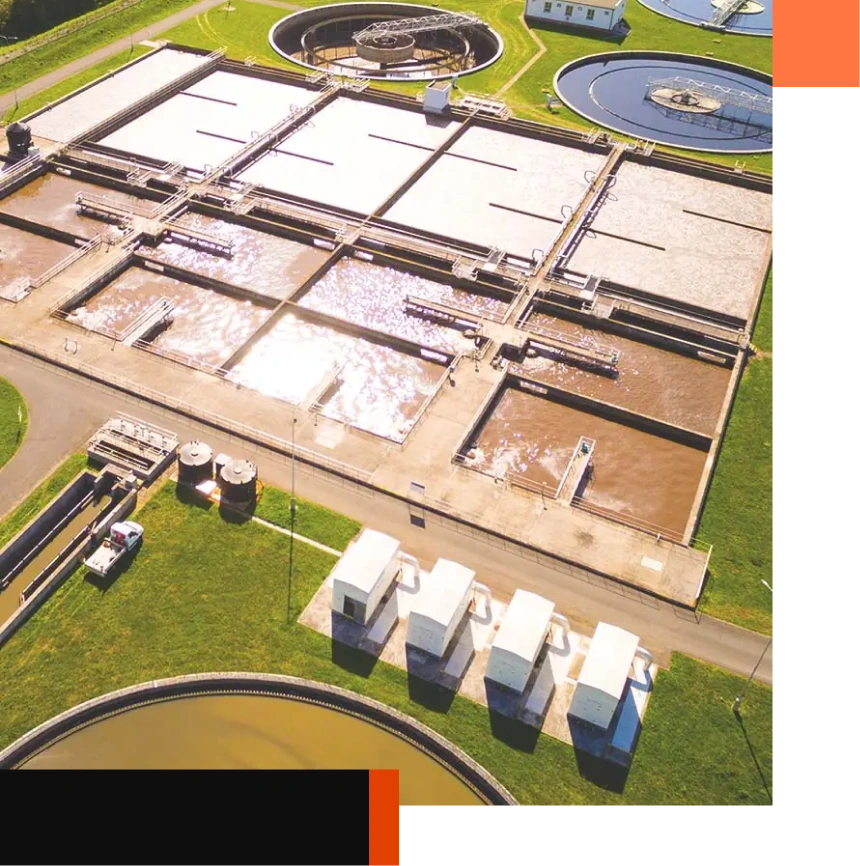
A multitude of by-products, waste and wastewater are generated and are not properly valorised, thereby wasting the resources they contain and the possibilities of obtaining valuable bioproducts from them.
A biorefinery consists of the sustainable processing of biomass into a broad spectrum of commercially interesting bioproducts, whether energy products, foods, feed, fertilisers or bioproducts. The term is used for an industry or facility, for a model or concept for producing a wide range of products from biomass.
Biomasses, which are “the raw material“ of biorefineries, can have very diverse origins and even more than one throughout the year (multi-feedstock biorefineries):
Crop residues, waste generated in cooperatives, organic waste from greenhouses, cereal straw, losses, etc.
Livestock manure
Forest clearing residues, wood processing waste, pastures, etc.
Organic remains of raw materials resulting from processing in food industries and others
Organic fraction of separately collected municipal waste, wastewater and WWTP sludge (municipal and industrial), garden pruning waste…
Industrial crops, microalgae, lemna, insects, etc.
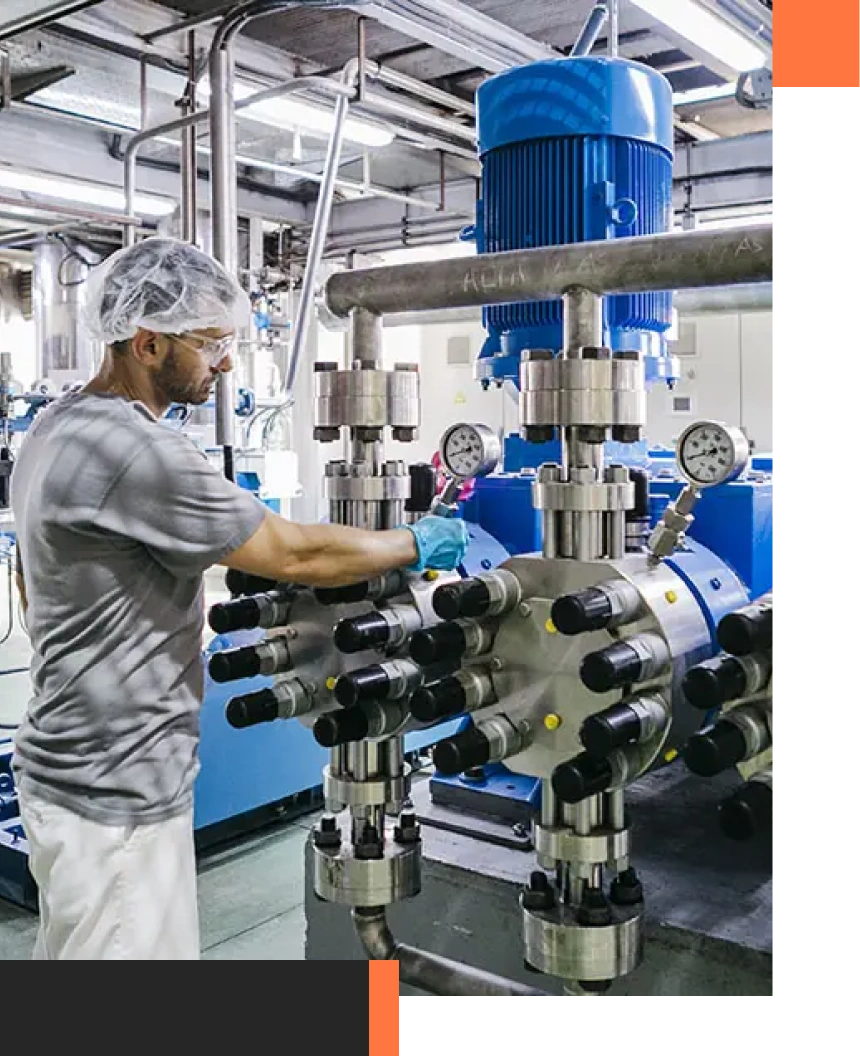
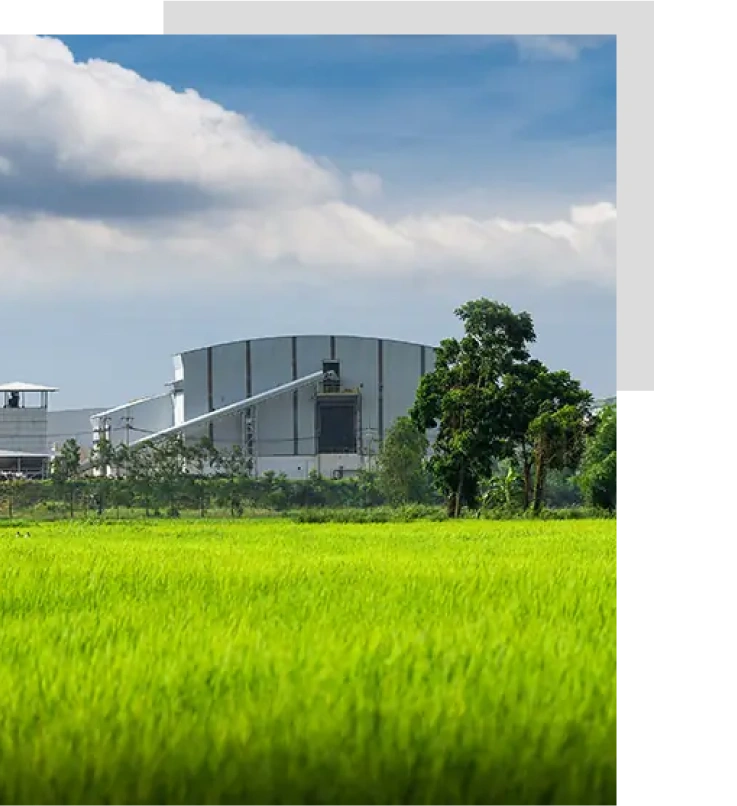
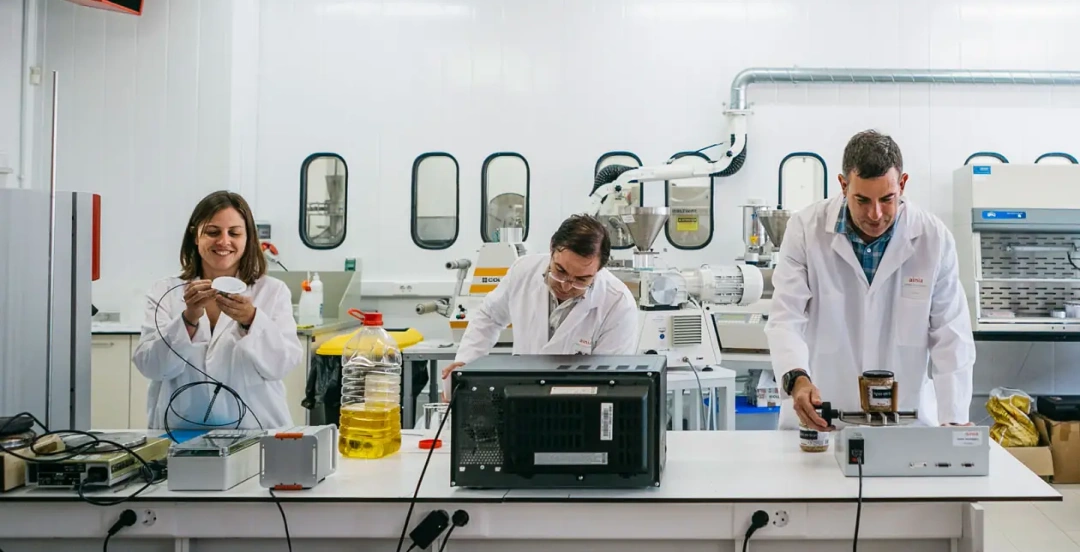
We develop processing technologies and the production of new bioproducts through biorefinery models. Biorefinery processes are usually designed in an integrated, efficient and synergistic way (win-win relationships) and can generally be biological, mechanical, physical, thermophysical and/or chemical processes (including enzymatic processes).
Through a biorefinery, it is possible to obtain a broad spectrum of final products, both energy and non-energy products. In addition to these bioproducts, biorefineries can also obtain bioenergy, biofuels, biofertilisers, feed, ingredients and/or foods among their final product range.
In developing solutions, we must take into account environmental and energy sustainability in biomass transformation. A facility could not be considered a biorefinery if, while producing a wide range of products, it did so at the cost of a high environmental impact, causing, for example, a high carbon footprint or the production of hazardous waste. For all these reasons, environmental assessment is essential in this type of R&D project.
Leave us your details and we will contact you to answer your questions or continue the conversation.