Not a partner company yet? Sign up here
AINIA / Consumer and Market / Sensory studies (CLT, HUT, neuroscience)
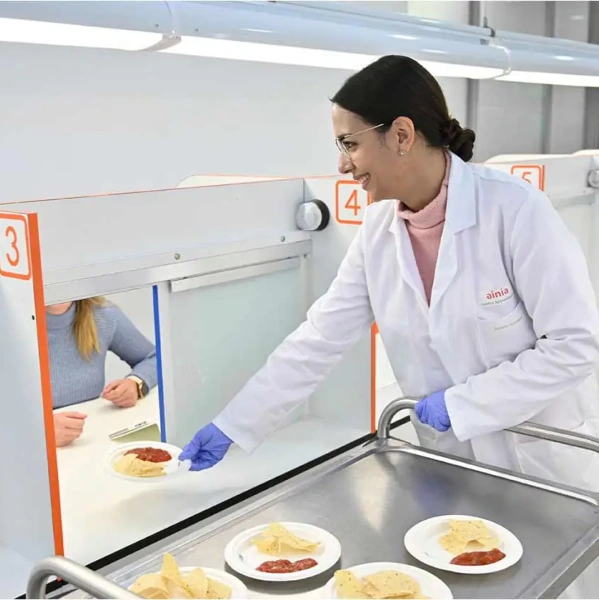
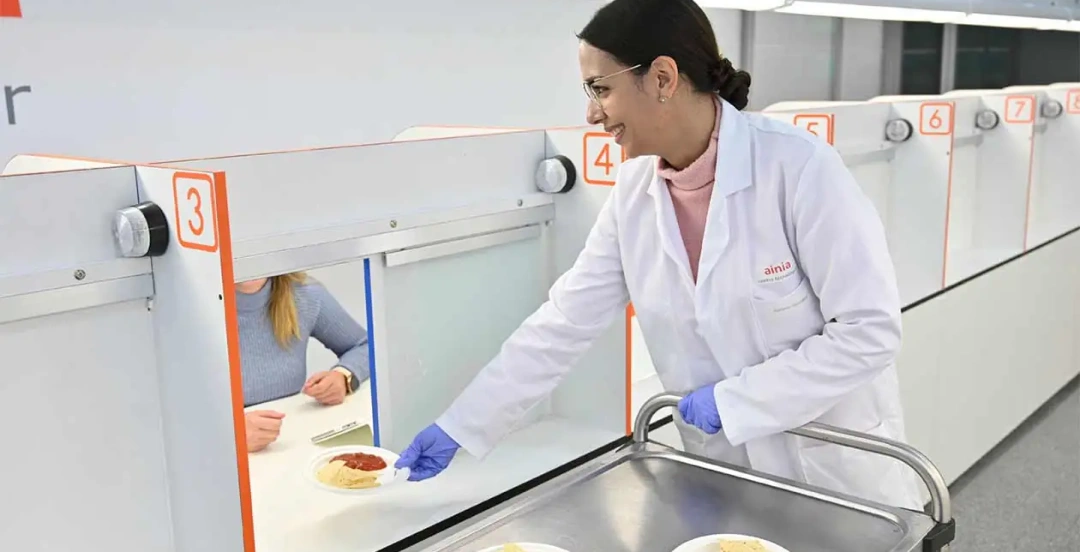
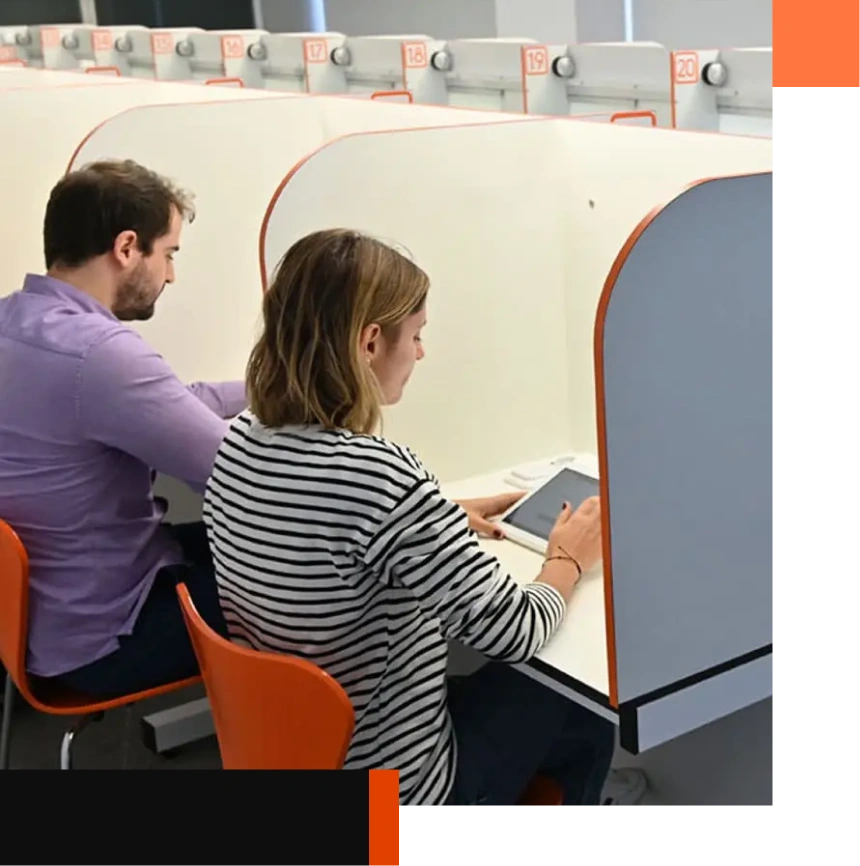
Acceptance, expectations and interest, sensory weaknesses and strengths, preferences, fit with the concept, purchase intention, emotions triggered by the product…
Consumer tests are a key tool for new product launches, competitive benchmarking, prototype selection, reformulation, product improvement and optimisation. They are also highly suitable for validating cost reductions or changes in the manufacturing process and ingredients, estimating sensory shelf life and validating sensory claims to be communicated on the packaging.
They are especially useful in the development of radically new products, reducing uncertainty around their market launch, and in the development and launch of new foods: plant-based foods, foods with new protein sources insects, microalgae…
Fast real-time feedback on the product’s hedonic behaviour and its sensory strengths and weaknesses.
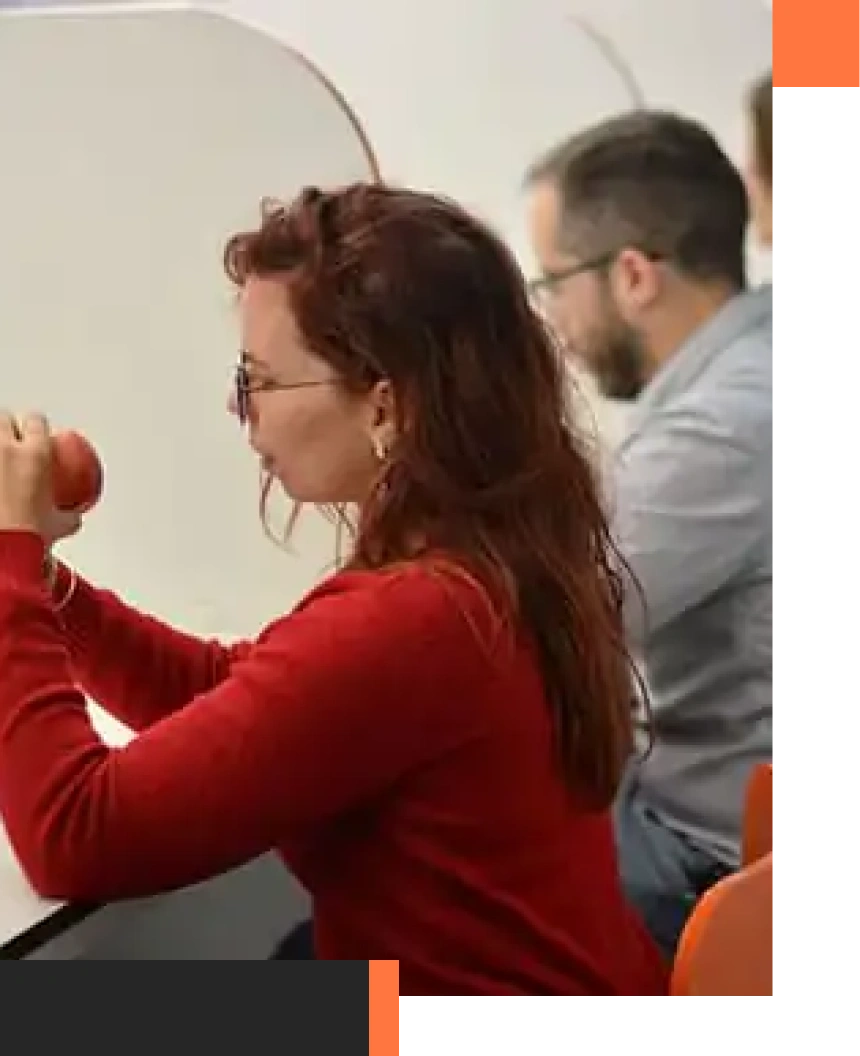
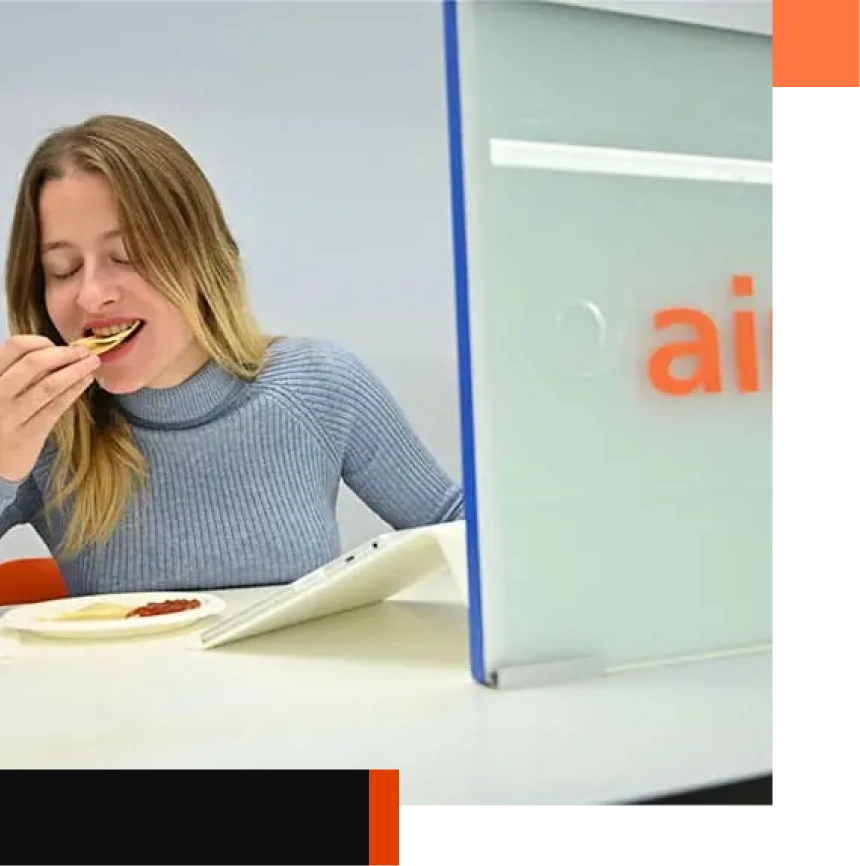
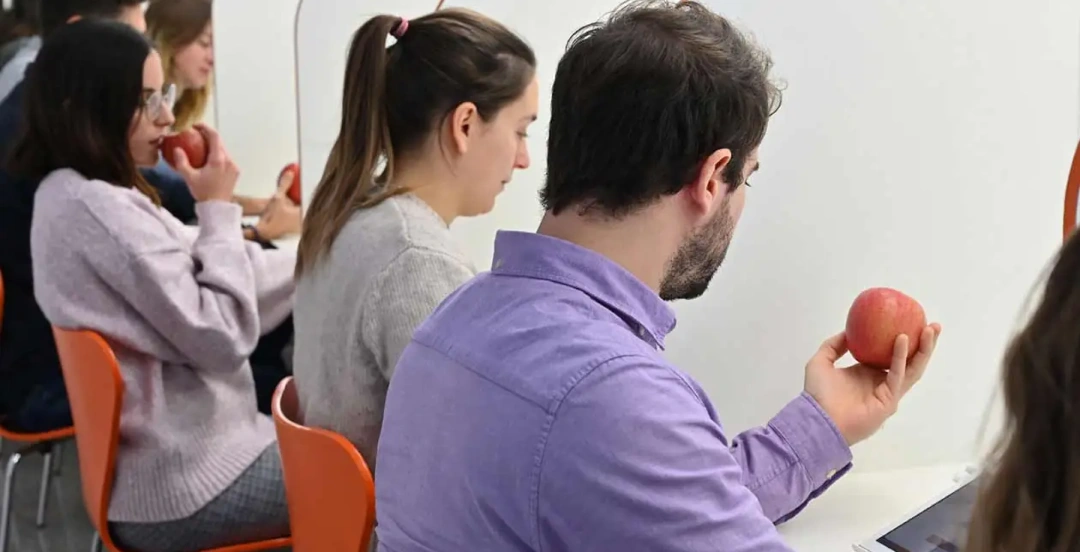
Product tests or consumer tests make it possible to categorise, validate and select product formulations and are an essential phase for decision-making with measured risks. They provide real-time feedback on the product’s hedonic behaviour and its sensory strengths and weaknesses, incorporating other variables such as emotional impact, expectations generated, interest and purchase intention, etc.
We design the tests and acquire the results using different tools such as RedJade.

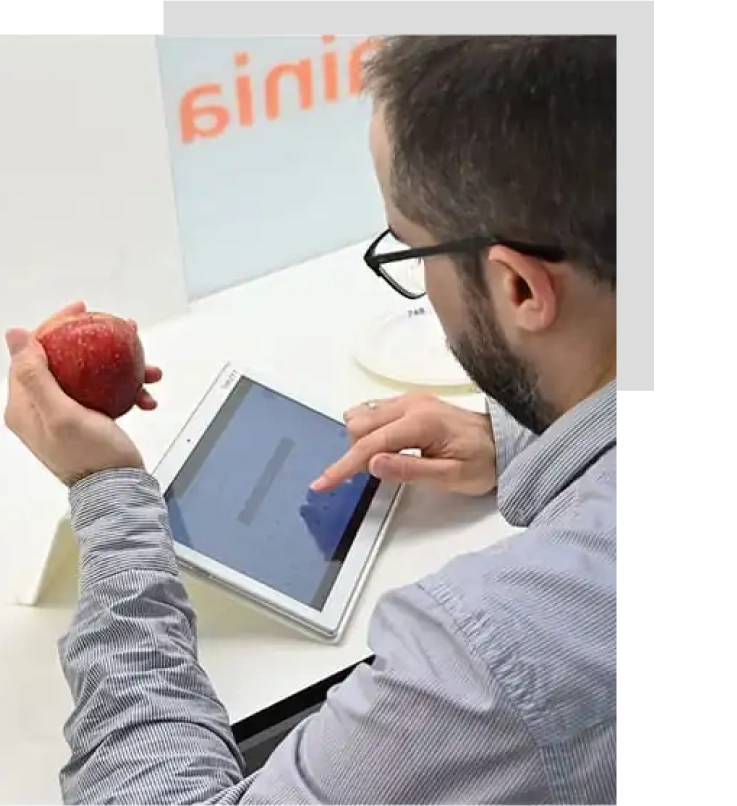
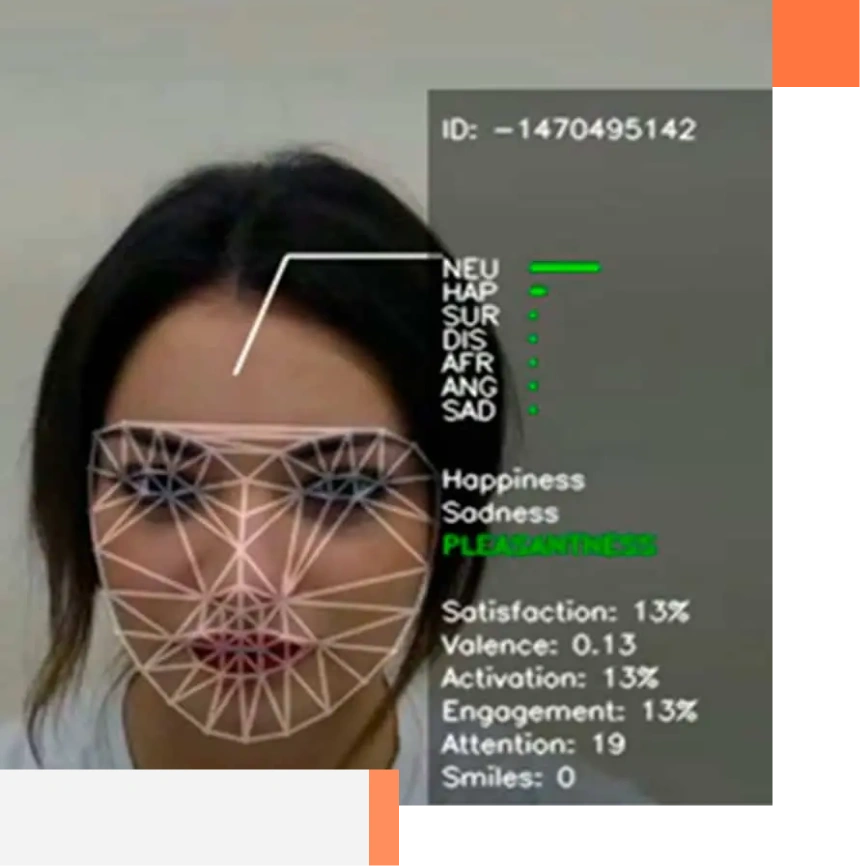
Consumer behaviour and food choice are influenced by reasons of which consumers are not fully aware. Decision-making is conditioned by a complex set of emotions, feelings, attitudes and values that are difficult to assess simply by asking consumers for their opinions. The application of neuroscience methods and techniques makes it possible to measure emotional and spontaneous reactions in an objective and observable way, to better predict consumer behaviour and assess the effects of product communication. This provides a valuable complement to traditional methods for product design, development and communication.
At AINIA Consumer, we combine technologies for automatic facial expression analysis (Facial Reading), eye tracking and visual attention (Eyetracking), measurement of galvanic skin response (GSR) and electroencephalography (EEG), to study consumers’ unconscious behaviour and emotions, seeking a better prediction of product success.
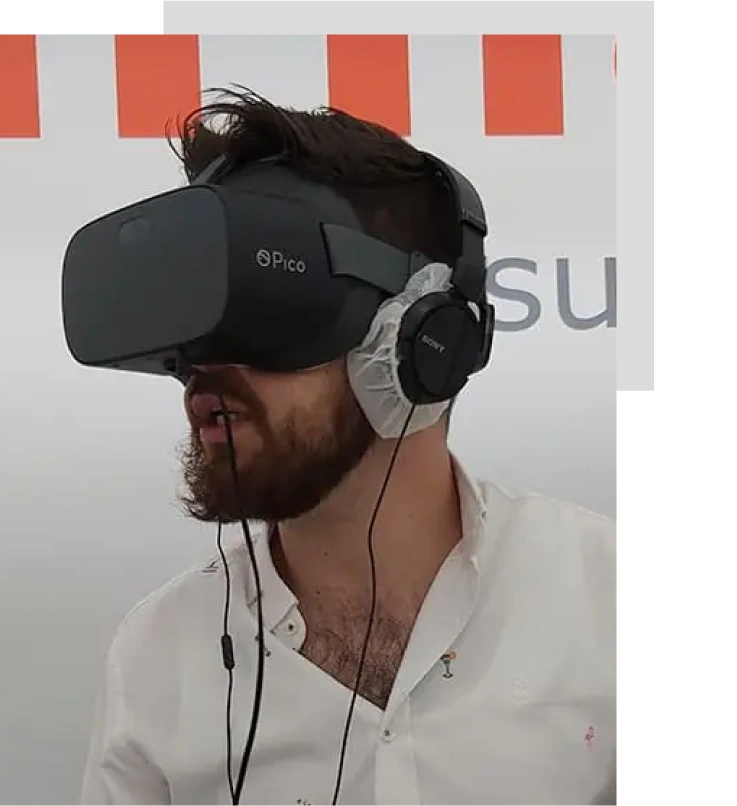
Virtual reality makes it possible to effectively integrate contextual factors into research, recreating different consumption contexts to better capture the consumer’s reality. Immersive techniques are a tool for optimising consumer tests and supporting product development, providing a better prediction of consumer preferences. At AINIA Consumer, we apply virtual reality to incorporate contextual variables into consumer research.
Leave us your details and we will contact you to answer your questions or continue the conversation.