Not a partner company yet? Sign up here
AINIA / Quality and Safety / Microbiological models.
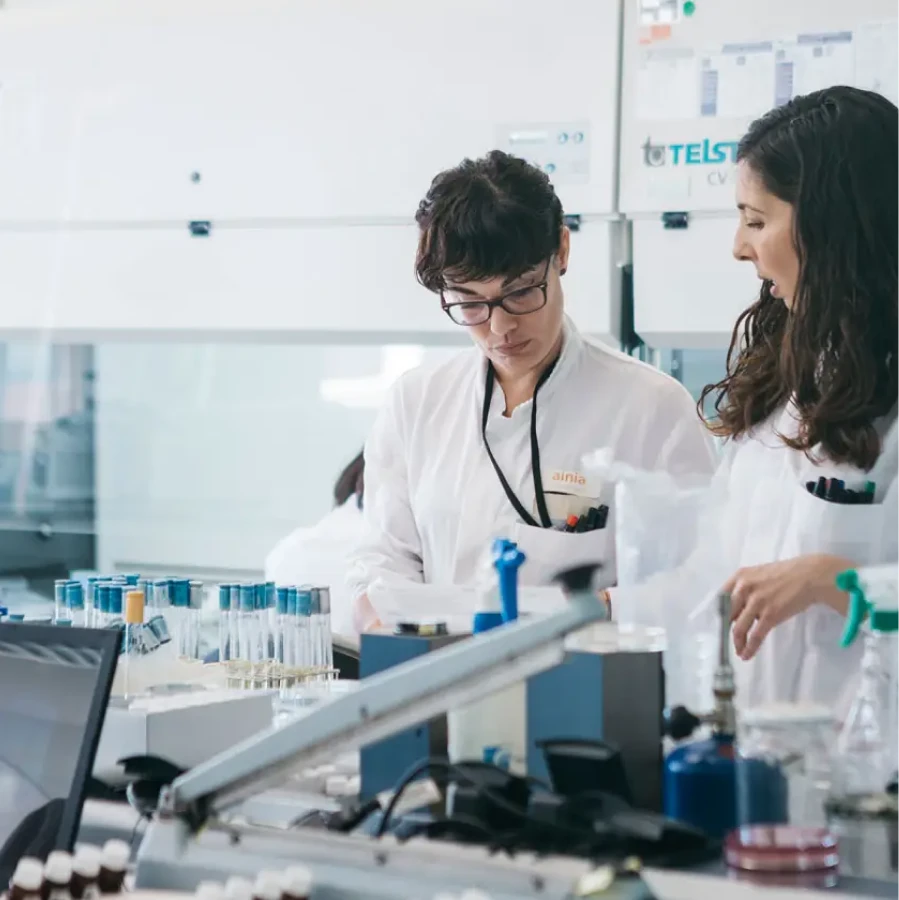
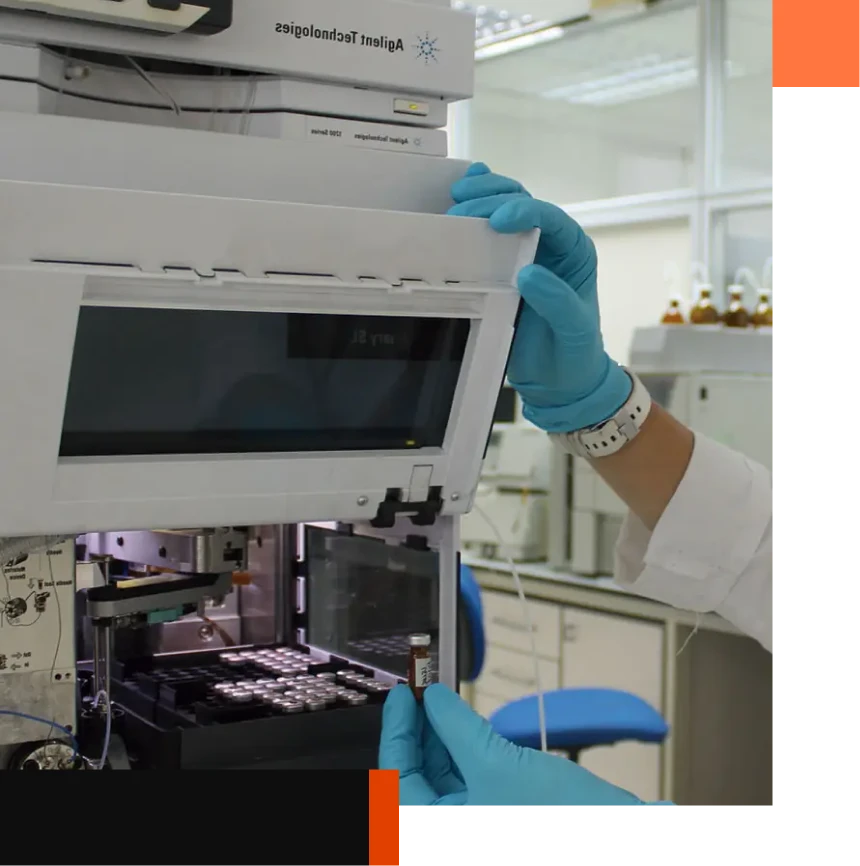
The food industry faces microbiological risks of different kinds. On the one hand, spoilage microorganisms affect product quality and, on the other, pathogenic microorganisms, bacteria or viruses, can pose a health risk to the end consumer.
In addition to this complexity, there is the growing challenge of antimicrobial resistance, which reduces the biocidal efficacy of disinfectant products and the ability of antibiotics to treat potential cases of food poisoning.


Since the behaviour of a microorganism under certain conditions is predictable, there are mathematical models which, taking into account different determining factors, are capable of predicting it. This methodology is recognised in European regulations on microbiological criteria applicable to food products (RG 2073:2005).
Microbiological models can help optimise the conditions for obtaining a food product according to intrinsic parameters, such as pH, salt or additive concentration, or extrinsic parameters, such as storage temperature, humidity or headspace atmosphere.
By using microbiological models in the production environment, we can predict the amount of a given pathogen or toxin after a preservation process or treatment. In this way:
Furthermore, by implementing different tools, we are able to perform simulations under specific conditions, providing an estimate of the risk associated with the food, process and pathogen under study.
Leave us your details and we will contact you to answer your questions or continue the conversation.