Not a partner company yet? Sign up here
AINIA / Quality and Safety / Natural preservatives and antimicrobials


The dangerous increase in antimicrobial resistance, i.e. bacterial resistance to antibiotics, can cause infections in humans that are increasingly difficult to treat. This highlights the need to seek alternative antimicrobial solutions to antibiotics.
In addition, new emerging risks are appearing, both microbiological and chemical, which require strategies that take their different specific characteristics into account.
Industry is therefore faced with the need to seek strategies that enable a safe food chain and minimise the impact of zoonotic diseases, such as Salmonella and E. coli, on society.
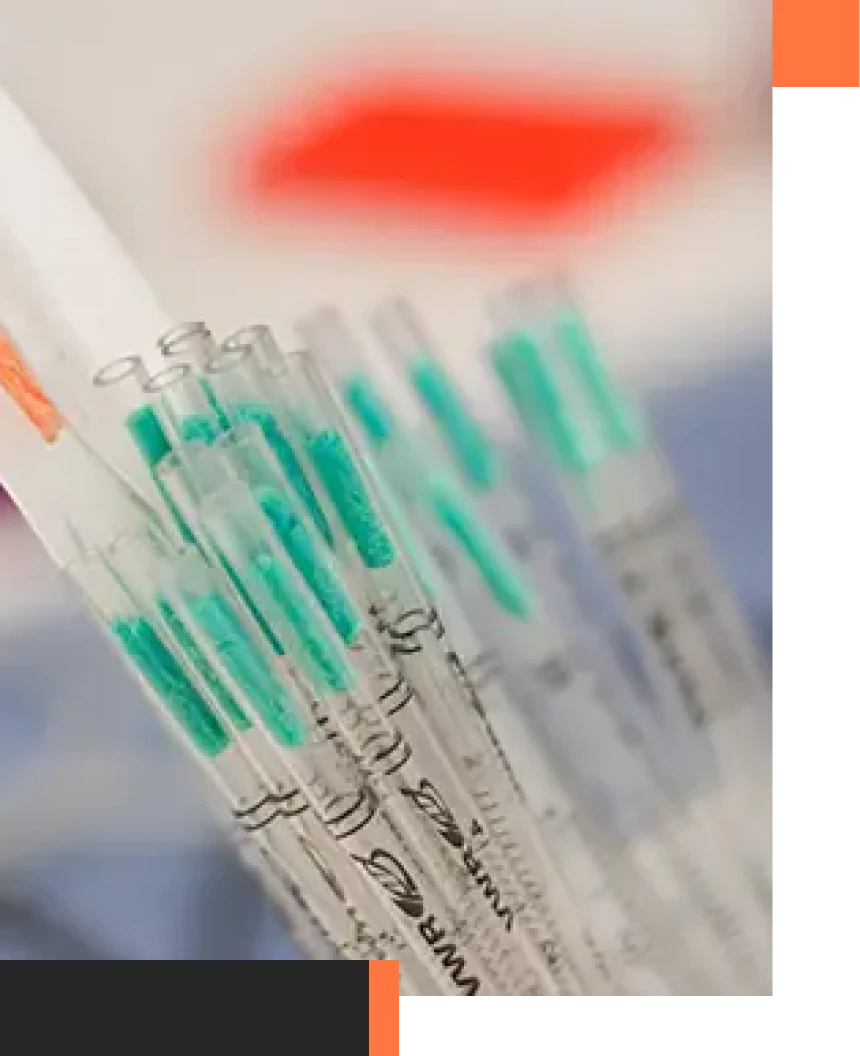
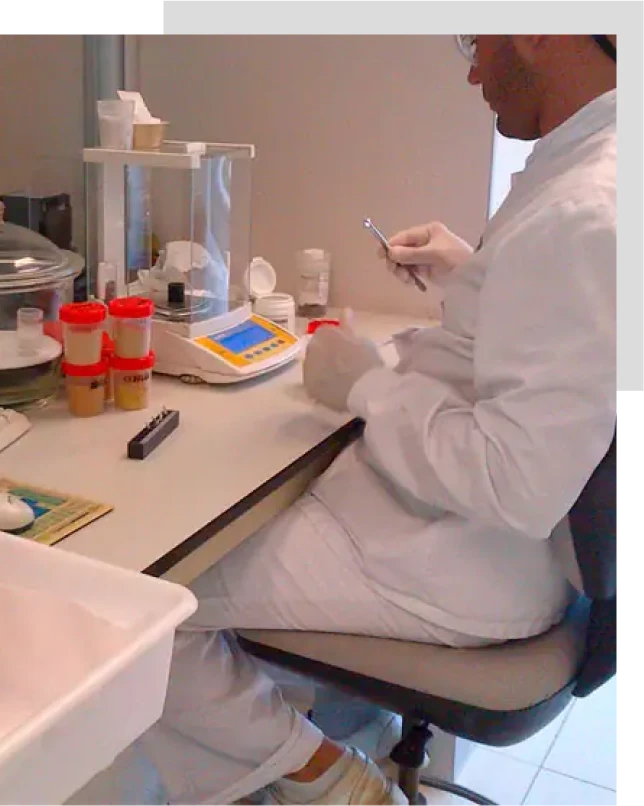
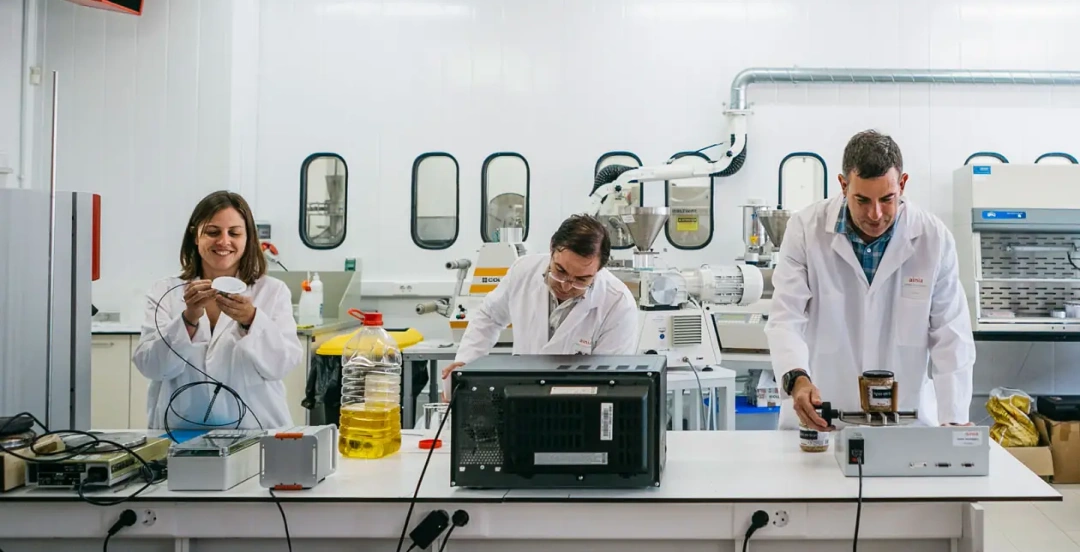
We analyse the food matrix and the microbiological risks that may arise, information from which we research and develop new antimicrobial strategies as alternatives to the use of antibiotics in the distribution chain. Unlike antibiotics, these strategies focus on combating microorganisms more precisely, minimising the generation of associated resistance.
We combine our know-how in bioprocesses and proteomics to further advance the development of new bio-based antimicrobial compounds, such as bacteriocins and endolysins, for example. We define efficient strategies for their production, purification and incorporation into foods. We contribute our experience in the isolation of new bacteriophage viruses which, after sequencing, make it possible to identify more attractive endolysins.
We design targeted and specific strategies, such as enzymatic hydrolysis and biocatalysis, to obtain the bioactive peptides of interest.
We evaluate the characteristics and production process of the specific food matrix and propose natural alternatives to the preservatives traditionally used in that particular food.
For all these processes, we have our own Collection of Biological and Genetic Resources, which contains both microorganisms with antimicrobial properties and pathogens isolated from real environments, enabling a better assessment of antimicrobial capacity. We have tools based on proteomic techniques, as well as tools that allow us to understand the specific effect of these types of molecules on pathogenic microorganisms, such as Salmonella, Listeria, E. coli/STEC, Staphylococcus, Campylobacter, among others.
Leave us your details and we will contact you to answer your questions or continue the conversation.