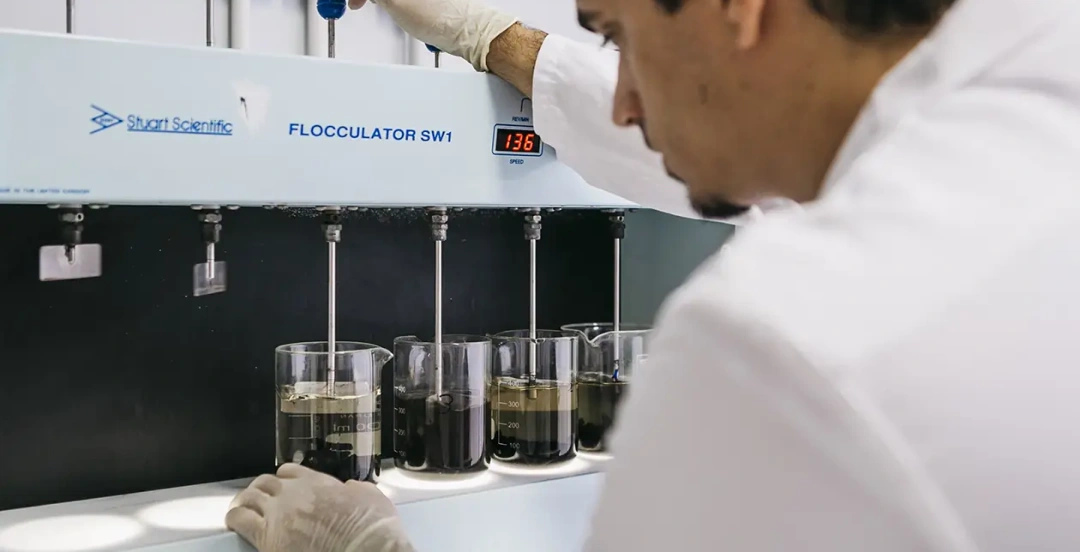
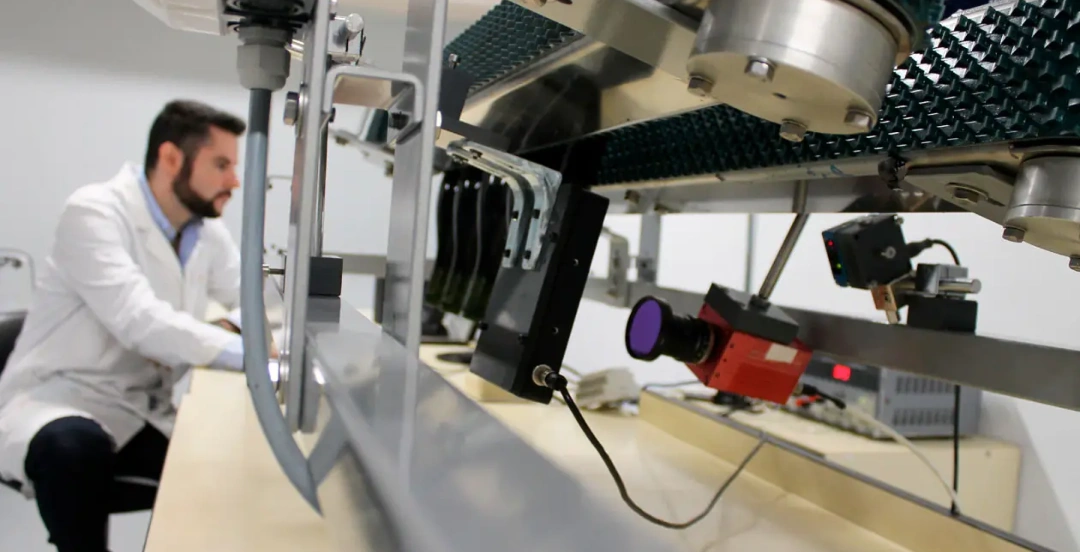
We help you prevent these outbreaks through testing for the detection of Norovirus GI / GII and hepatitis A virus in food and bottled water.
The presence of enteric viruses, particularly human Noroviruses and hepatitis A virus, in food contaminated with faecal matter causes foodborne gastroenteritis and enteric hepatitis. The foods most frequently associated with gastroenteritis and hepatitis are those contaminated at source, such as bivalve molluscs, salad vegetables and berry fruits that are consumed raw or lightly cooked. However, and to a lesser extent, they may also appear in foods contaminated through improper handling after cooking.
It is therefore necessary to control their presence using sufficiently sensitive methods to detect these agents in food even at very low levels, since they are highly infectious microorganisms (they can infect even at very low ingestion doses).
Our extensive experience in the field of virus analysis has also enabled us to address the analysis of other viruses, such as SARS-CoV-2 and its variants, both on surfaces and in wastewater, as well as to develop the analysis of hepatitis E virus in meat products.
At AINIA, we add value
- Accredited by ENAC (Entidad Nacional de Acreditación) and therefore recognised by ILAC (International Laboratory Accreditation Cooperation) to carry out tests for:
- Detection and quantification of norovirus Genogroups I and II
- Detection and quantification of Hepatitis A virus
- Designated as an official control laboratory for the detection of norovirus GI, GII and Hepatitis A
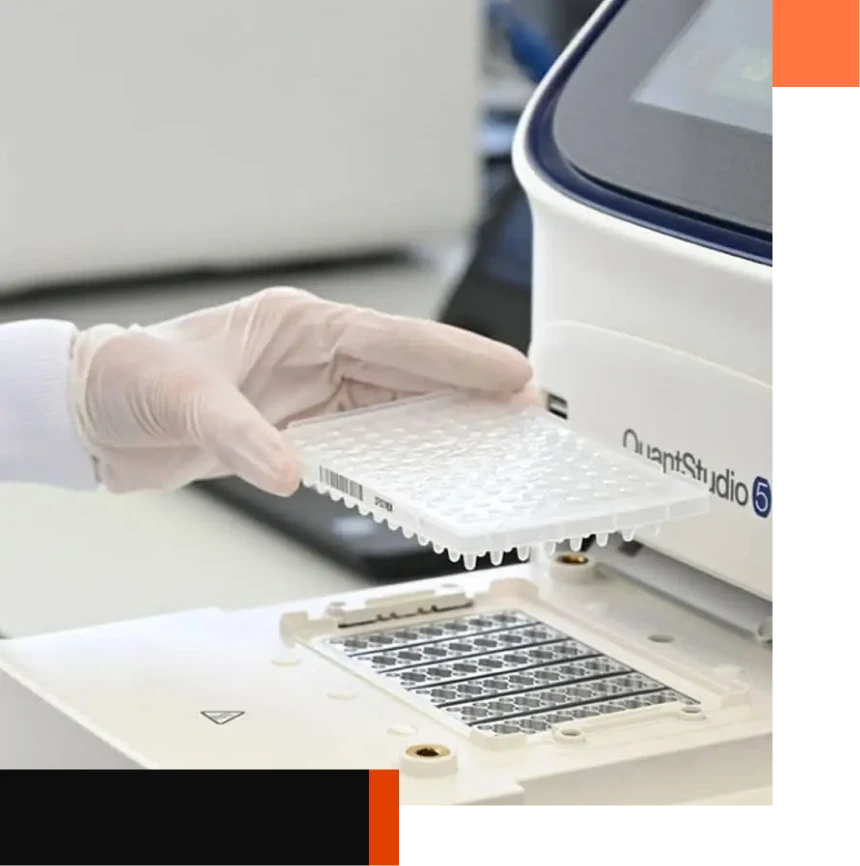
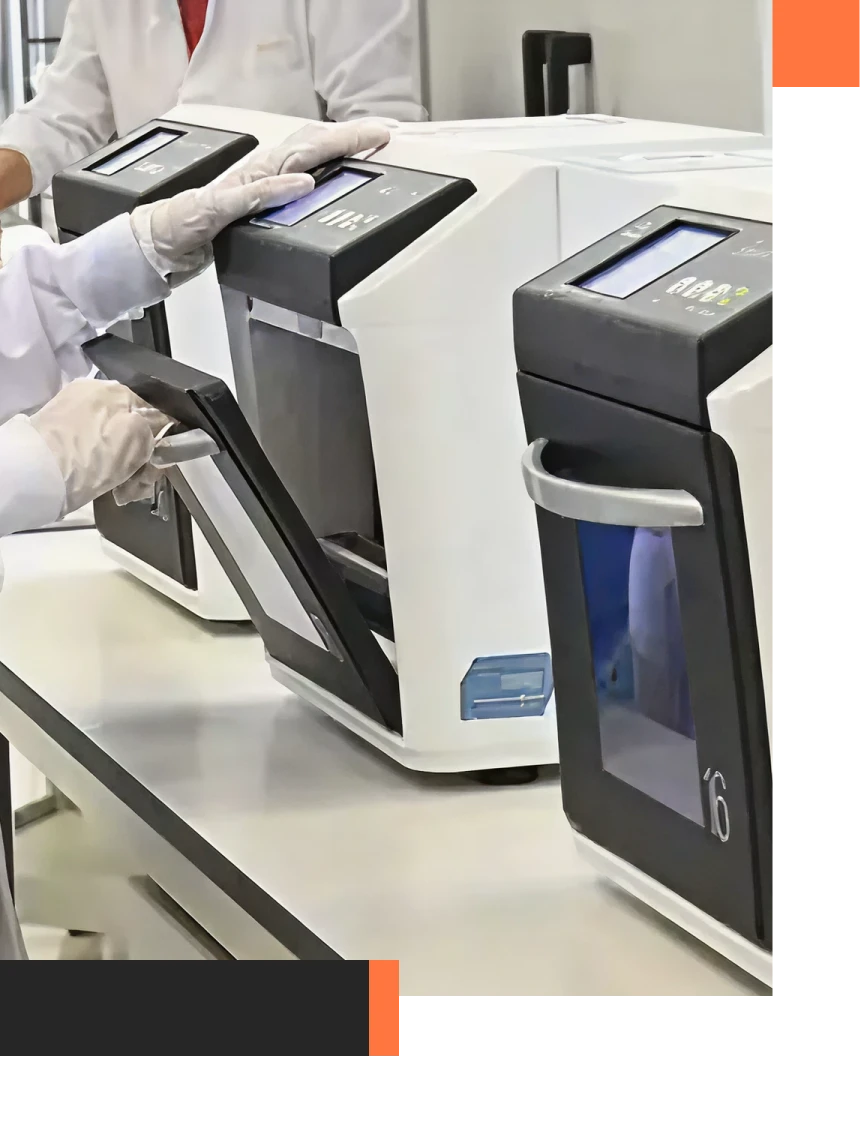
- RT-PCR technique (method based on ISO 15216)
- Experience in adapting the analytical technique for the analysis of other matrices:
- Food-contact surfaces
- Ready-to-eat or prepared foods (prepared meals)
- Advisory support for optimising control plans and interpreting final results
- Fast response times, with deadlines tailored to our clients’ needs, including support for positive release systems
Testing to verify compliance with the microbiological criteria for food (Listeria monocytogenes, Salmonella spp., Escherichia coli, aerobic colony count, Enterobacteriaceae, coagulase-positive staphylococci, presumptive Bacillus cereus, staphylococcal enterotoxins).
See accreditation at: AINIA laboratories ENAC accreditations
Viruses
Our solutions include:
- Advice on designing control plans
- Support in sample logistics management to ensure appropriate collection, handling, transport and reception conditions
- Carrying out analyses using the most appropriate techniques, combining high reliability criteria with costs and turnaround times adapted to our clients’ needs, including support for positive release systems
- Adaptation, development and validation of analytical techniques for the detection of viruses in complex, exclusive and specific matrices for our clients
- Issuing results through secure and accessible platforms based on modern information and communication technologies
- Advice for correct interpretation of the results obtained
Would you like to know more?
Leave us your details and we will contact you to answer your questions or continue the conversation.