Not a partner company yet? Sign up here
AINIA / Laboratories / Microbiology / Pathogens
Analysis of pathogenic microorganisms
Verify the safety of your products, ensure food safety, protect consumer health.
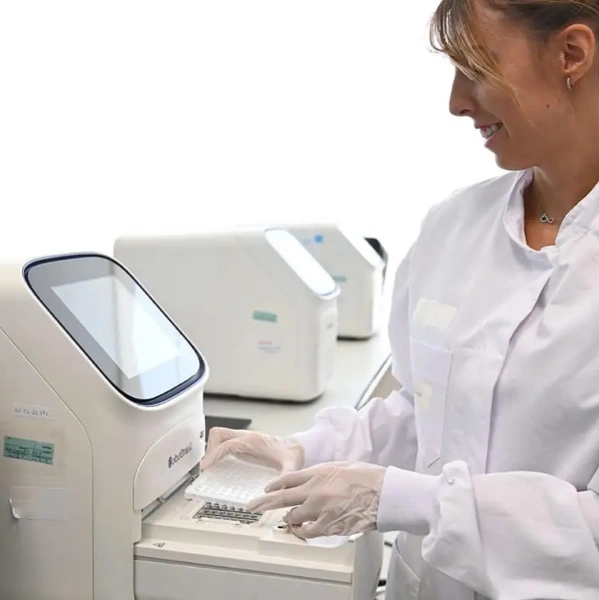
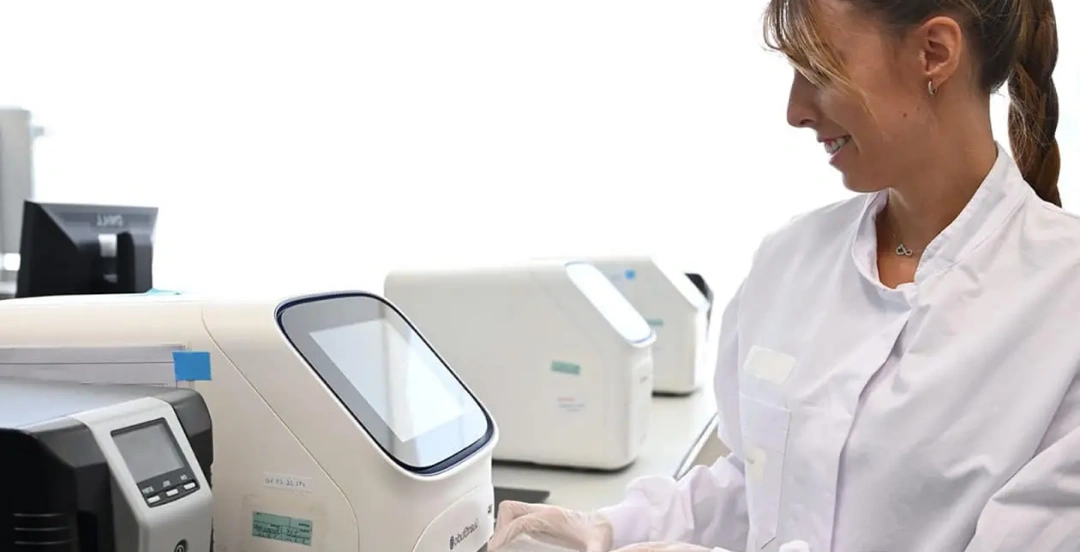
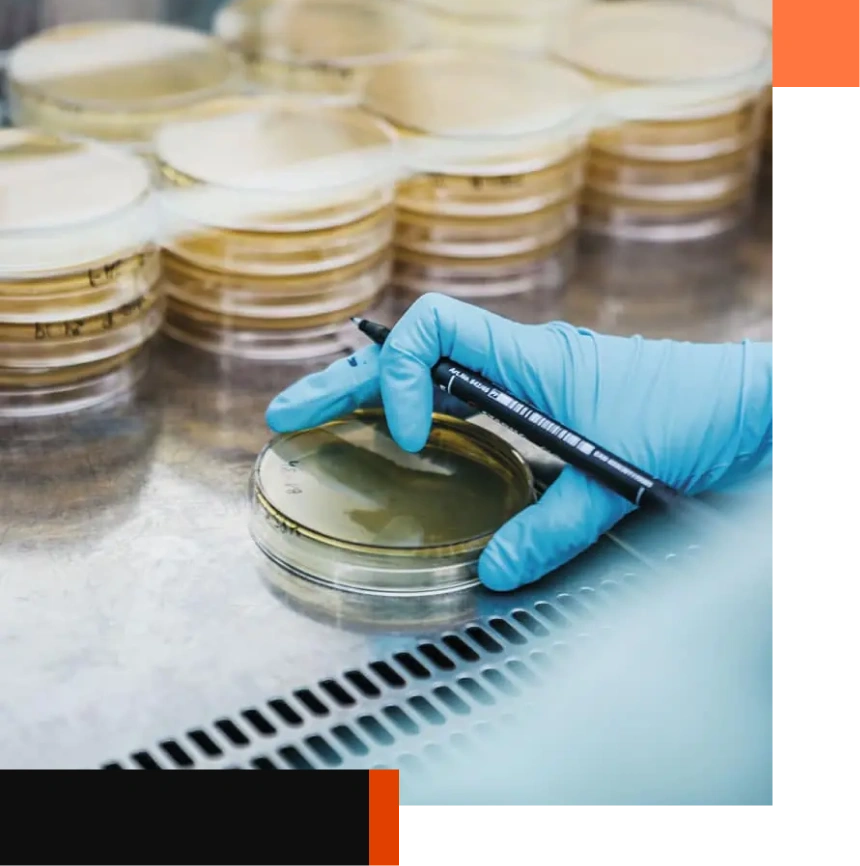
Preventing foodborne infections caused by the presence of pathogenic microorganisms, in addition to being a legal requirement, helps avoid the main cause of food safety crises.
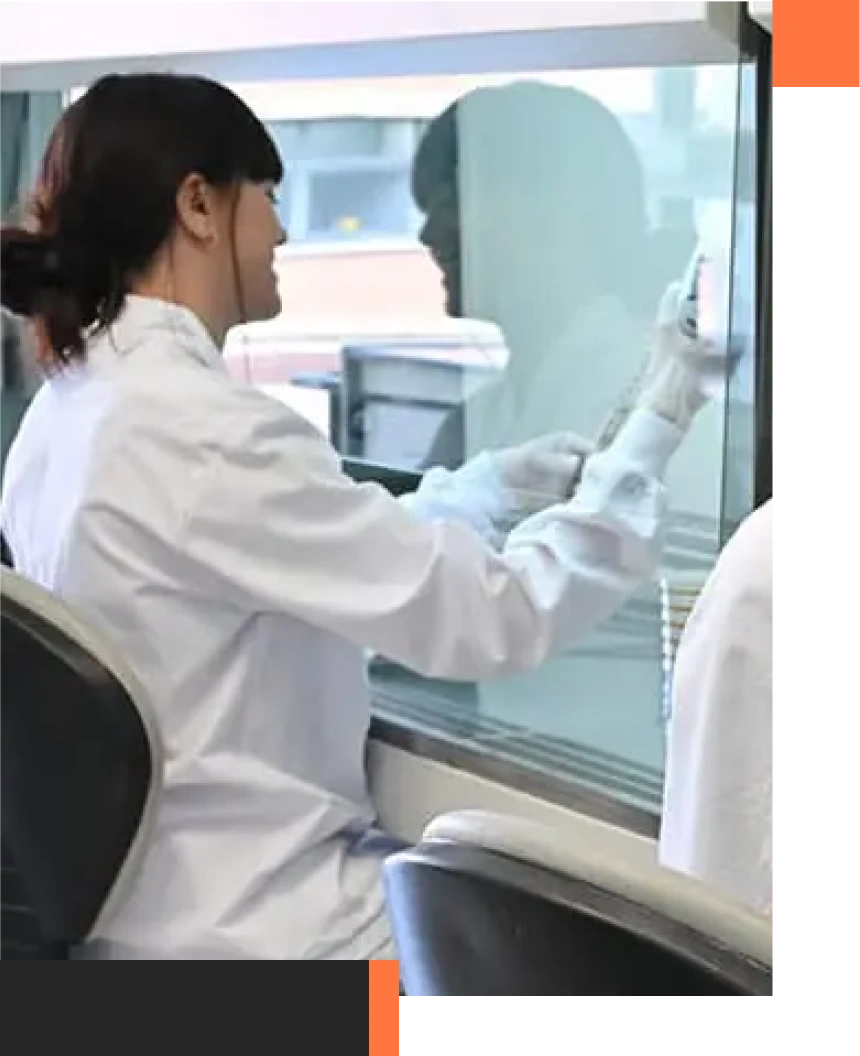
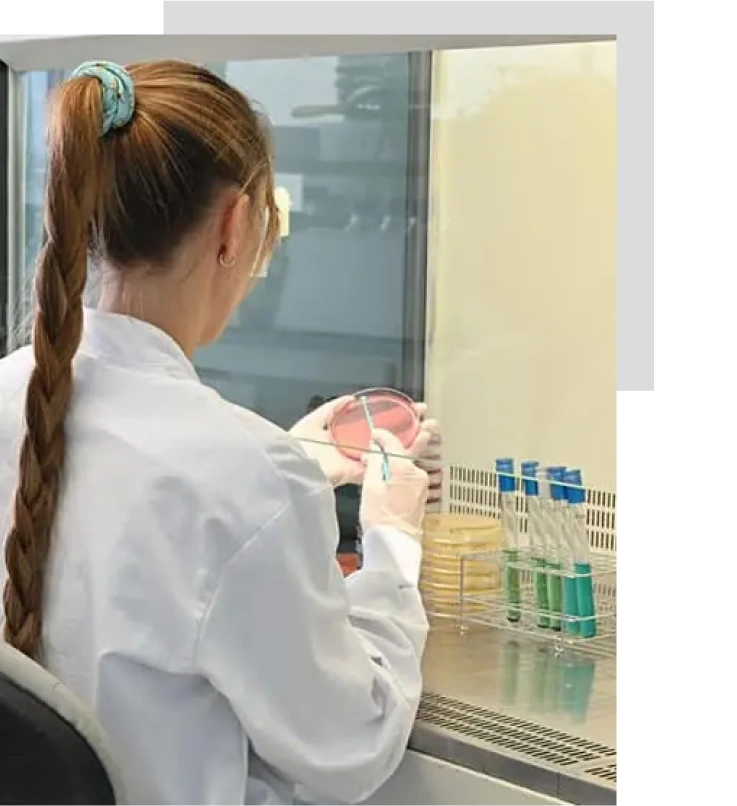
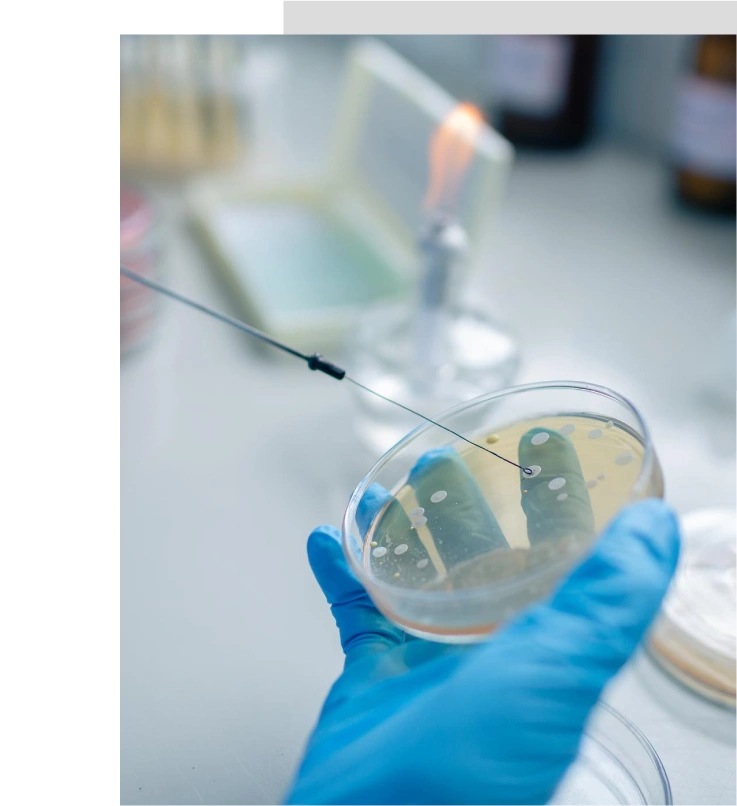
Microbiological contamination, especially bacterial contamination, is the most common cause of food-related health issues. Ideally, any food should be free from pathogenic microorganisms. However, this is not always achievable. In addition to preventive measures to avoid product contamination and the proliferation of pathogenic microorganisms, analytical control is an essential tool to ensure food safety.
The design of control plans must be based on a detailed hazard analysis, which will determine the analyses to be carried out and their frequency in order to control critical points. In extreme cases, to guarantee batch-by-batch safety, some companies implement positive release systems, which involve blocking the release of production batches until analytical confirmation of the safety of each batch is obtained.
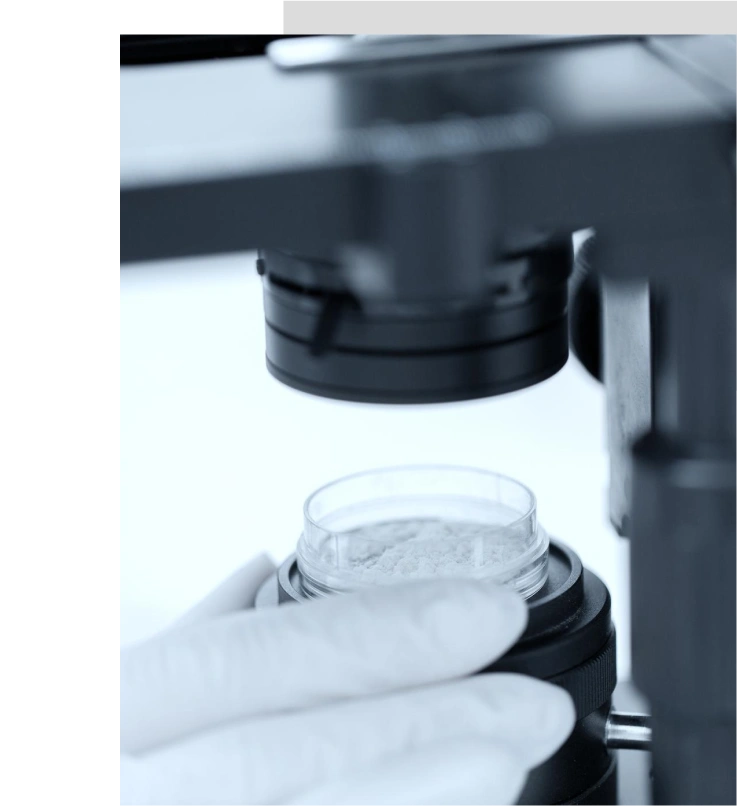
In order to ensure a high level of public health protection, Regulation (EU) No 2073/2005 establishes the microbiological criteria applicable to foodstuffs, which agri-food companies must comply with throughout the entire food chain, from the manufacturing process to product dispatch. This regulation states that foodstuffs must not contain microorganisms, or their toxins or metabolites, in quantities that pose an unacceptable risk to human health.
To meet these needs, food business operators require analytical services that provide the highest level of assurance, an area in which accreditation plays a decisive role, while also being sufficiently rapid to ensure effective control, particularly when control systems involving the positive release of batches are implemented.
Testing for compliance with food microbiological criteria:
Our solutions include:
Leave us your details and we will contact you to answer your questions or continue the conversation.